Myths and Their Role in Ancient Greek Medicine

Mythology has long been an integral aspect of ancient cultures, serving as a means of understanding the world, governance, and human behavior. In ancient Greece, myths took on a unique role in the arena of medicine, merging the divine with the mundane to explain illnesses, health, and healing. The Greeks employed myths not only as narratives to entertain but as frameworks to understand the human body and its ailments, influencing both medical practices and the philosophical discourse of the time.
The Foundation of Greek Medicine: Asclepius and Divine Intervention
At the heart of Greek medical mythology is Asclepius, the god of medicine. Revered in various cults, Asclepius represented not only healing but also the complexities of life and death. His symbol, the staff entwined with serpents, became synonymous with medicine and health. Many myths surrounding Asclepius conveyed the belief that illness was more than a physical ailment; it was also a divine test or punishment, often demanding a deeper search for meaning.
The Greeks believed that Asclepius could heal through direct divine intervention. Temples dedicated to him, known as Asclepiadae, were established throughout the Greek world. Here, the sick would come to seek cures through rituals, prayer, and offerings. Dreams played a crucial role in the healing process; patients would often experience dreams believed to be messages from Asclepius, guiding them towards healing methods or revealing the cause of their afflictions. This intertwining of mythology and medicine reflects how the Greeks approached health as both a physical and spiritual journey.
The Role of Other Deities
Asclepius was not alone in the medical narrative. Other deities, such as Hygieia (the goddess of health and cleanliness) and Panacea (the goddess of universal remedy), played significant roles in ancient Greek medicine. Myths involving these figures often acted as moral tales promoting healthy lifestyles and the importance of hygiene. For example, the myth of Hygieia emphasized the significance of preventive measures, while Panacea symbolized the quest for universal cures, which would later inspire various medical philosophies.
On the other hand, myths could also depict the darker aspects of health. The tale of Apollo and his punishment of the Trojan prince Tantalus highlighted the relationship between human suffering and divine anger. These narratives served to reinforce the idea that health was a delicate balance between human actions and divine will, underscoring morality as a key aspect of well-being.
Illness and Divine Retribution
In ancient Greek thought, illness could often be interpreted as divine punishment. Heroes in myths, such as Oedipus and Achilles, often faced physical and emotional suffering as a consequence of their actions—underscoring the belief that health depended not only on the physical realm but also on moral behavior and adherence to societal norms. This connection illustrated a fundamental aspect of Greek medicine, wherein the treatment of illness was not solely aimed at alleviating symptoms but also involved addressing the moral implications of sickness.
Healers were therefore not only technicians in the art of medicine; they were also moral guides. They engaged in discussions that considered the spiritual welfare of their patients. The Hippocratic Corpus, a collection of texts attributed to Hippocrates and his followers, echoed these sentiments. While Hippocrates was known for separating medicine from superstition and emphasizing observation and experience, he also acknowledged the significance of the patient’s lifestyle and moral standing.
Myth and Medical Practice: Rituals, Herbs, and Remedies
The mythological framework surrounding ancient Greek medicine greatly influenced medical practices and the development of treatments. Rituals and offerings, many derived from mythological traditions, were commonplace in the healing process. Patients often sought cures through the use of herbal remedies, believed to be given wisdom by the gods or found through dream visions, further melding mythology with empirical practices.
Initiatives like the practice of “incubation” in Asclepius’ temples involved the sick spending the night in a chamber, hoping to receive a vision or dream that would lead to a remedy. This reliance on divine guidance reflected the belief that human knowledge might be inadequate in understanding the intricacies of health, necessitating the intervention of the divine.
Additionally, the understanding of anatomy and pathology in ancient Greek medicine was often influenced by mythological metaphors. For instance, the idea of bodily humors—blood, phlegm, black bile, and yellow bile—reflected narratives surrounding balance and harmony, drawing from mythic tales where chaos and order grappling ultimately determined the fate of gods and mortals alike.
Legacy of Greek Myths in Modern Medicine
The impact of Greek myths on medicine is not isolated to the era of ancient Greece; their influence echoes through the corridors of modern medicine and continues to shape human perceptions of health and illness. Many medical terms and symbols owe their origins to Greek mythology, such as “panic” (derived from Pan, the god associated with sudden fear) and “hygiene” (from Hygieia).
Moreover, the conceptualization of health as a balance between physical, moral, and spiritual components remains relevant. Current holistic approaches to medical treatment often mirror the ancient understanding of the interconnectedness of mind, body, and spirit—ideas deeply rooted in Greek thought.
Conclusion
The complex interplay between myth and medicine in ancient Greece transcends mere storytelling; it symbolizes a broader civilization’s struggle to comprehend existence. Myths were not only narratives of gods and heroes but also tools that helped the Greeks contextualize health, illness, and healing. Through divine representations and ethical moralities, these myths shaped a medical framework that addressed not just the physical body but the spiritual landscape of human experience. As we navigate modern medical practices and philosophies, we remain rooted in these ancient tales, reminding us of the enduring wisdom contained within mythology.
Recommended reading
These are affiliate links. If you buy through them, we may earn a commission at no extra cost to you.
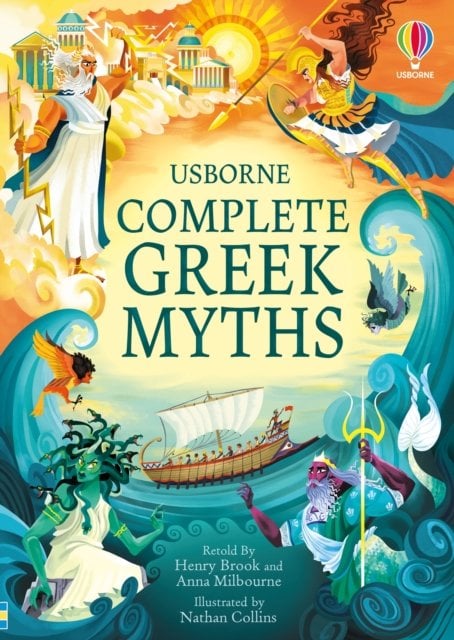
Complete Greek Myths: An Illustrated Book of Greek Myths
Featuring detailed retellings, beautiful character illustrations, and cultural background, this comprehensive volume brings the best-known and obscure Greek myths to life for readers of all ages. Complete with maps, a glossary, and a QR code for pronunciation guides and extra resources, it is an essential addition to any family bookshelf.
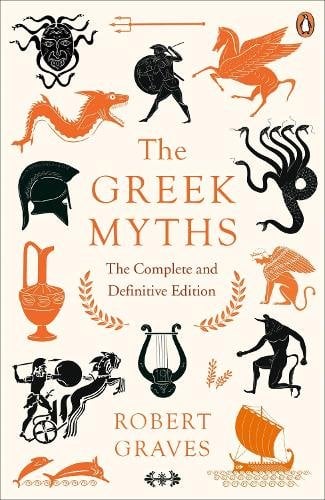
The Greek Myths: The Complete and Definitive Edition
Robert Graves’s definitive edition weaves the classic Greek myths, from the Labours of Hercules to the Trojan War, into one sweeping, authoritative narrative. Perfect for both first-time readers and classicists, this comprehensive volume combines engaging storytelling with detailed scholarly commentary and a complete index of names.
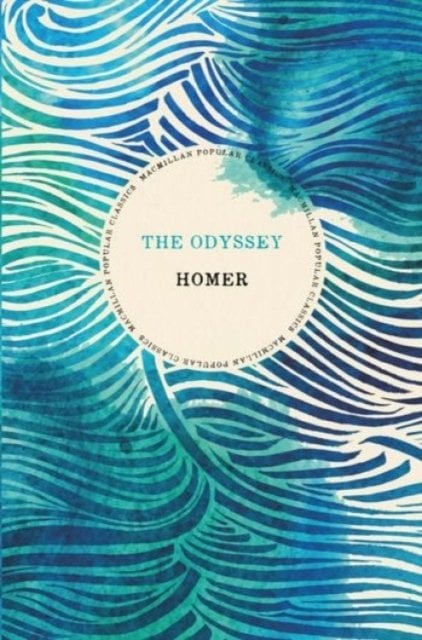
The Odyssey
Homer’s timeless epic The Odyssey follows the hero Odysseus on a perilous decade-long journey home from Troy, facing mythical monsters and divine wrath. Meanwhile, his wife Penelope and son Telemachus defend their kingdom against ruthless suitors in this classic tale of loyalty and endurance.