Heroic Archetypes: Identifying Patterns in Greek Mythology
Greek mythology, a rich tapestry of stories and characters, has captivated audiences for centuries. The tales within its narratives are more than just adventures; they encapsulate timeless themes and archetypal characters that resonate with human experiences. Among these, the concept of the “hero” emerges as a formidable archetype, embodying ideals of courage, resilience, and the pursuit of truth. By examining various heroic archetypes in Greek mythology, we can identify patterns that reflect both individual and collective human journeys.
The Classifications of Heroes
1. The Tragic Hero
One of the most prominent archetypes in Greek mythology is the tragic hero, whose journey is often marked by greatness followed by downfall. These heroes possess noble qualities but are doomed by their flaws or circumstances. A quintessential example would be Achilles, the hero of Homer’s “Iliad.” Known for his unparalleled strength and valor, Achilles is ultimately brought to ruin by his wrath and pride, culminating in a cycle of revenge. His tragic fate serves as a poignant reminder that even the mightiest can falter due to their inherent vulnerabilities.
2. The Reluctant Hero
In stark contrast to the typical hero, the reluctant hero embodies doubt and initial resistance. This archetype is perfectly illustrated by Odysseus, the central character in the “Odyssey.” Although he possesses remarkable intelligence and bravery, Odysseus often hesitates to embrace his fate. His journey is not just one of physical adventure but also an inner struggle. He grapples with his identity, reflecting the human experience of self-doubt and the complexities of personal choice. It is through overcoming these challenges that he ultimately embraces his role as a hero.
3. The Chosen One
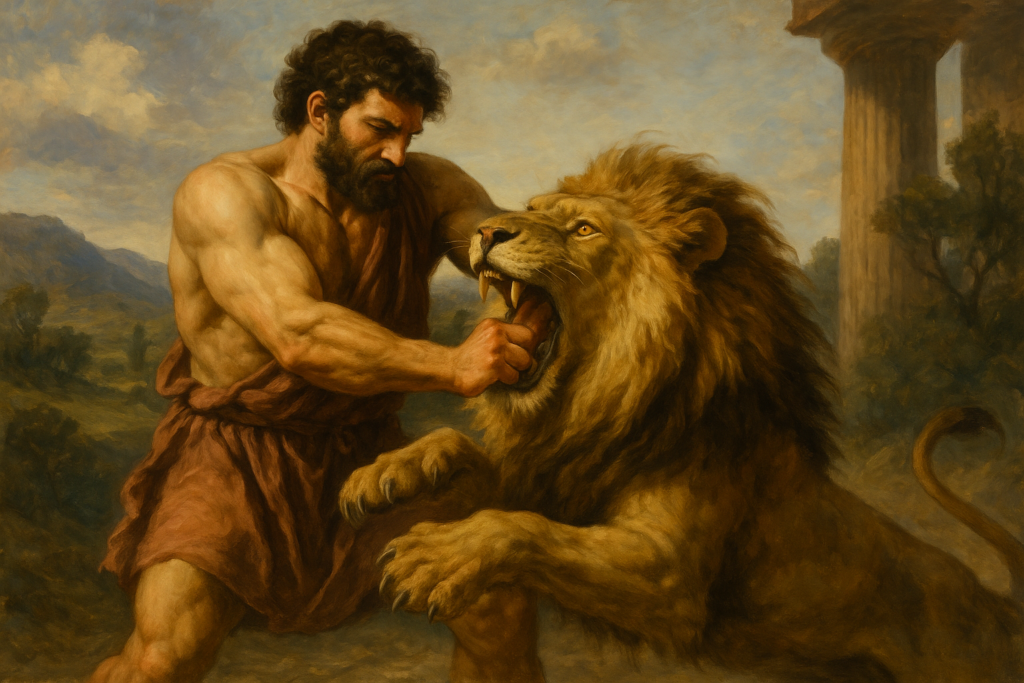
The “chosen one” archetype encapsulates the notion of destiny. Heroes like Heracles (Hercules) and Perseus are often depicted as being singled out by the gods for grand tasks. Heracles, born to Zeus and a mortal woman, is endowed with superhuman strength but faces a series of trials imposed by fate. His laborious journeys symbolize the struggle against overwhelming odds and the mastery of one’s inner demons. Similarly, Perseus, tasked with slaying Medusa, exemplifies bravery and resourcefulness, showcasing how fate can propel an individual toward greatness when they embrace their calling.
4. The Outsider
Another intriguing hero archetype is the outsider, often a figure who exists on the margins of society yet possesses unique insights and capabilities. Oedipus is a profound example. Cast away from his homeland, he ultimately returns to uncover and confront the truth about his identity. His story reflects the dual nature of the outsider—one who can bring a fresh perspective while simultaneously being burdened by social stigmas. Oedipus’s journey underscores the importance of truth and self-discovery, even if it leads to painful realizations.
Common Themes in Heroic Journeys
As one delves deeper into these archetypal patterns, several themes emerge that resonate across the tales of Greek heroes.
1. The Quest for Identity
At the heart of many heroic narratives is the quest for identity. Which path should a hero take? How do personal experiences shape them? These questions are particularly evident in the story of Theseus, whose journey to discover his lineage and fulfill his destiny as the king of Athens is riddled with challenges. The complexities of his character and the decisions he must make highlight the struggle of self-realization that many individuals face.
2. The Importance of Mentorship
Many Greek heroes encounter mentors who provide guidance, wisdom, and support. Figures like Chiron, the wise centaur, serve as guides for heroes such as Heracles, teaching them about discipline and morality. The mentor archetype emphasizes the idea that heroes often do not succeed in isolation; rather, it is through collaboration, mentorship, and support from others that they find their strength.
3. The Dual Nature of Fate
Fate plays a crucial role in Greek mythology, often intertwining with the hero’s journey. The notion that fate can be both a guiding force and a restrictive shackle contributes significantly to the rich narrative landscape. The story of Prometheus, who defies the gods to bring fire to humanity, illustrates this duality. Although he imparts great knowledge to mankind, he also suffers dire consequences, reflecting the complexity of free will versus predetermined destiny.
4. The Celebration of Humanity
Ultimately, Greek heroic tales celebrate human potential and resilience. Beyond the grandeur of their deeds, these heroes embody traits that are inherently human: vulnerability, resilience, and the quest for understanding. The stories remind us that heroism is not limited to physical strength; it encompasses emotional and moral tenacity.
Conclusion
Greek mythology presents a diverse array of heroic archetypes, each revealing essential truths about the human experience. From tragic heroes like Achilles to reluctant figures like Odysseus, the nuances within these archetypes remind us of the multifaceted nature of heroism. As we explore these patterns, we uncover insights into our values, struggles, and desires. Greek heroes are not merely legendary figures; they are reflections of ourselves, challenging us to confront our limitations, embrace our destinies, and celebrate the indomitable spirit of humanity. Their stories continue to inspire generations, reminding us that the journey of the hero is, at its core, the journey of us all.
Recommended reading
These are affiliate links. If you buy through them, we may earn a commission at no extra cost to you.
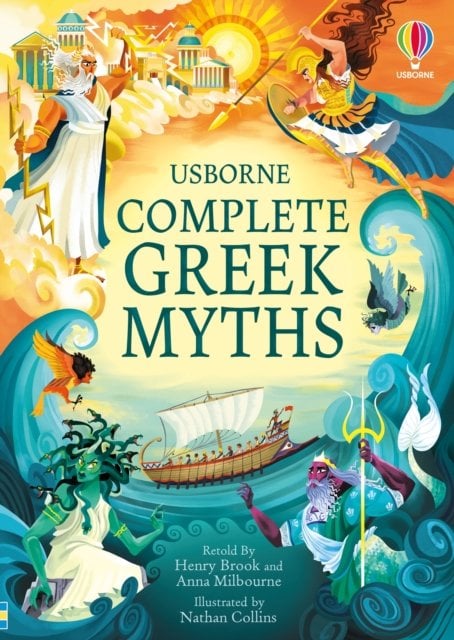
Complete Greek Myths: An Illustrated Book of Greek Myths
Featuring detailed retellings, beautiful character illustrations, and cultural background, this comprehensive volume brings the best-known and obscure Greek myths to life for readers of all ages. Complete with maps, a glossary, and a QR code for pronunciation guides and extra resources, it is an essential addition to any family bookshelf.
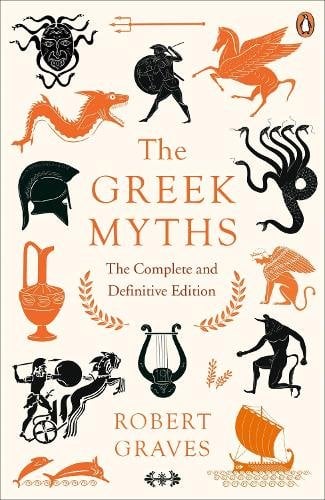
The Greek Myths: The Complete and Definitive Edition
Robert Graves’s definitive edition weaves the classic Greek myths, from the Labours of Hercules to the Trojan War, into one sweeping, authoritative narrative. Perfect for both first-time readers and classicists, this comprehensive volume combines engaging storytelling with detailed scholarly commentary and a complete index of names.

The Odyssey
Homer’s timeless epic The Odyssey follows the hero Odysseus on a perilous decade-long journey home from Troy, facing mythical monsters and divine wrath. Meanwhile, his wife Penelope and son Telemachus defend their kingdom against ruthless suitors in this classic tale of loyalty and endurance.