The Educational Purpose of Myths in Ancient Greece
Myths in ancient Greece served a multifaceted role, functioning not only as tales of the gods and heroes but also as instrumental educational tools ingrained in the social and cultural fabric of Grecian society. These stories imparted values, shared cultural norms, and explained existential questions, thus fulfilling an educational purpose that extended far beyond mere entertainment. This article delves into how myths were used to educate the populace, shaping their understanding of morality, nature, and society.
The Nature of Greek Myths
Greek myths are a collection of stories recounting the adventures of gods, demi-gods, and mortals. They encapsulate the beliefs, fears, and aspirations of ancient Greeks, often reflecting the complexities of human nature and the unpredictability of the world. The pantheon of gods, each representing various aspects of life and society, served as embodiments of the virtues and vices that humans often battled within themselves.
These myths were transmitted orally for centuries before being penned down, allowing them to evolve and adapt to the social contexts in which they were told. This evolutionary aspect means that myths were also responsive to the shifting values and educational needs of society, making them dynamic tools for learning.
Moral Lessons through Myth
One of the primary educational purposes of Greek myths was to impart moral lessons. Stories about gods and heroes often served to illustrate the consequences of both virtuous and immoral actions. Take, for instance, the tale of Icarus, whose ambition led him to fly too close to the sun despite warnings from his father, Daedalus. The tragic downfall of Icarus serves as a cautionary tale about hubris, illustrating the dangers of overreaching and the importance of heeding wise counsel.
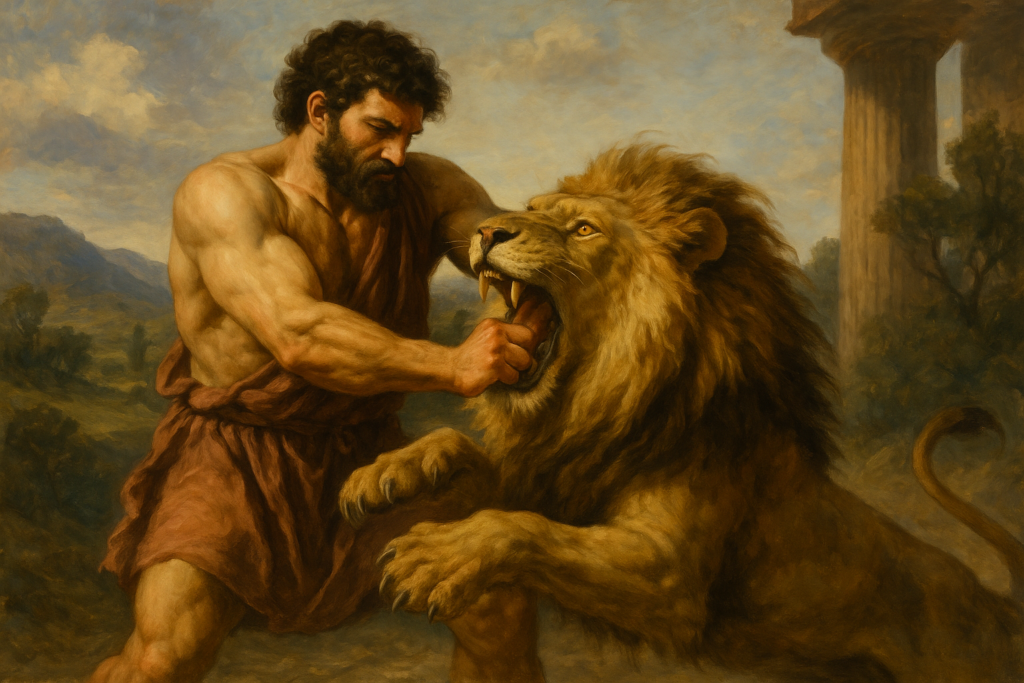
Moreover, myths like those of Hercules show that even the strongest and most heroic figures face struggles and temptations. Hercules’ twelve labors are often interpreted as challenges that symbolize the struggle between virtue and vice. As such, myths were employed to teach children and society at large about courage, perseverance, and morality, reinforcing societal norms and ethical behavior.
Explaining Natural Phenomena
Before the advancement of science, myths served another crucial educational purpose: explaining the natural world. Ancient Greeks managed to make sense of their environment through stories that personified natural elements and phenomena. The existence of deities such as Poseidon, the god of the sea, or Demeter, the goddess of the harvest, reflected humanity’s need to understand and rationalize natural occurrences.
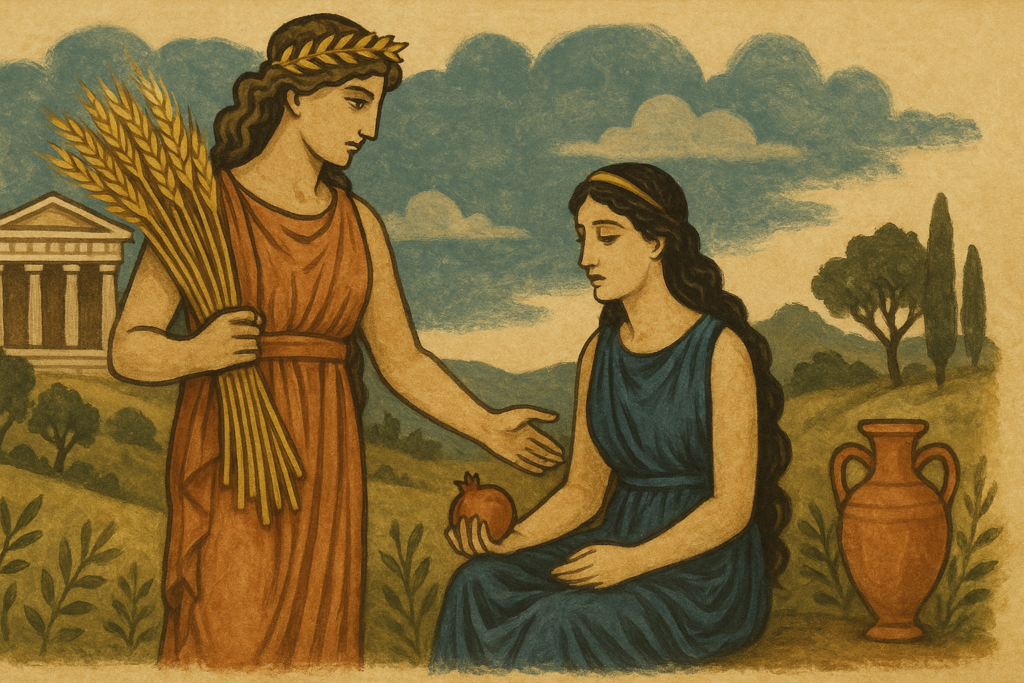
For example, the changing seasons were mythologized through the story of Persephone, who was abducted by Hades and taken to the underworld. Her mother, Demeter, was so grief-stricken that she abandoned her duties, resulting in winter. When Persephone returned, spring returned to the Earth. This tale provided a narrative framework that explained seasonal changes in a way that was accessible and relatable to the populace.
Cultural Unity and Identity
Myths also played a significant role in fostering cultural unity and identity among the Greek city-states. As these stories were shared in amphitheaters, festivals, and public assemblies, they served as a means of creating a shared narrative among diverse communities. The tales of heroes like Achilles and Odysseus, portrayed in epic works such as Homer’s “Iliad” and “Odyssey,” were foundational texts that encouraged a collective identity. These narratives instilled a sense of pride and belonging, uniting the Greeks through shared lore and values against the backdrop of external threats, such as the Persians.
Participation in communal myth-sharing events, such as the Panhellenic Games, reinforced social cohesion and helped inculcate civic values, such as teamwork and honor. In this way, myths acted as binding agents within society, reminding individuals of their shared heritage and collective responsibilities.
Education in Rhetoric and Philosophy
In addition to imparting moral lessons and cultural identity, Greek myths also served as foundational texts for education in rhetoric and philosophy. Educators in ancient Greece utilized myths as illustrative examples to teach students the art of persuasion. Myths provided rich material for debate, interpretation, and analysis. For instance, the tale of Oedipus, who unknowingly kills his father and marries his mother, raises profound questions about fate versus free will, serving as a starting point for discussions in philosophy and ethics.
By examining such narratives, students could practice critical thinking, learn to construct arguments, and engage in dialogues about existence, morality, and human behavior. This philosophical engagement encouraged a deeper understanding of the human condition and developed individuals’ capacities to engage with complex ideas.
The Role of Myth in Theater
The Greeks also recognized the educational potential of myths in theater. Dramatists like Aeschylus, Sophocles, and Euripides adapted myths into plays that addressed moral dilemmas, societal issues, and existential questions. These performances were not merely artistic expressions but also platforms for moral education, compelling audiences to reflect on their own lives and ethical choices.
The tragedies often highlighted the consequences of actions, reinforcing moral lessons through dramatic irony and catharsis. The audience’s emotional engagement with the characters and their fates served to impart important lessons about the human experience, including the struggle for integrity, the impact of choices, and the inevitability of fate.
Conclusion
In summary, the educational purposes of myths in ancient Greece were deeply woven into the fabric of society. They taught moral lessons, explained natural phenomena, fostered cultural unity, provided a foundation for rhetoric and philosophical study, and enriched the theatrical experience. These narratives shaped individual identities and community values, transcending time and continuing to influence modern storytelling. Through the lens of myth, ancient Greeks explored the complexities of humanity, imparting timeless wisdom that resonates even today. In examining these stories, we see not only the values of a particular culture but also fundamental truths about the human experience that persist across the ages.
Recommended reading
These are affiliate links. If you buy through them, we may earn a commission at no extra cost to you.
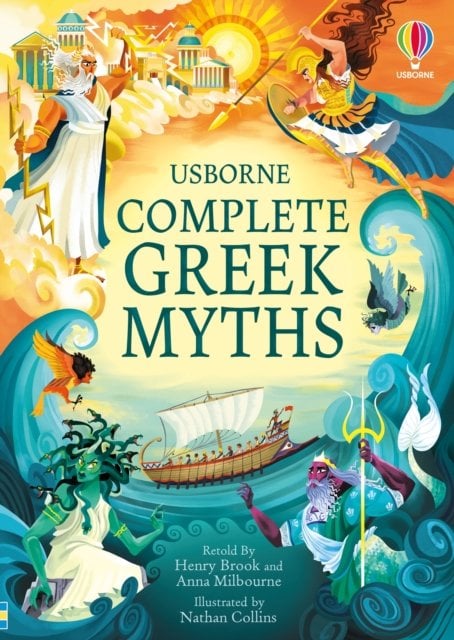
Complete Greek Myths: An Illustrated Book of Greek Myths
Featuring detailed retellings, beautiful character illustrations, and cultural background, this comprehensive volume brings the best-known and obscure Greek myths to life for readers of all ages. Complete with maps, a glossary, and a QR code for pronunciation guides and extra resources, it is an essential addition to any family bookshelf.
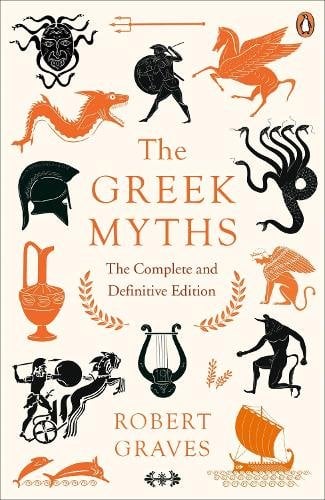
The Greek Myths: The Complete and Definitive Edition
Robert Graves’s definitive edition weaves the classic Greek myths, from the Labours of Hercules to the Trojan War, into one sweeping, authoritative narrative. Perfect for both first-time readers and classicists, this comprehensive volume combines engaging storytelling with detailed scholarly commentary and a complete index of names.
The Odyssey
Homer’s timeless epic The Odyssey follows the hero Odysseus on a perilous decade-long journey home from Troy, facing mythical monsters and divine wrath. Meanwhile, his wife Penelope and son Telemachus defend their kingdom against ruthless suitors in this classic tale of loyalty and endurance.