Grief in Greek Myth: The Stories that Shaped Emotion
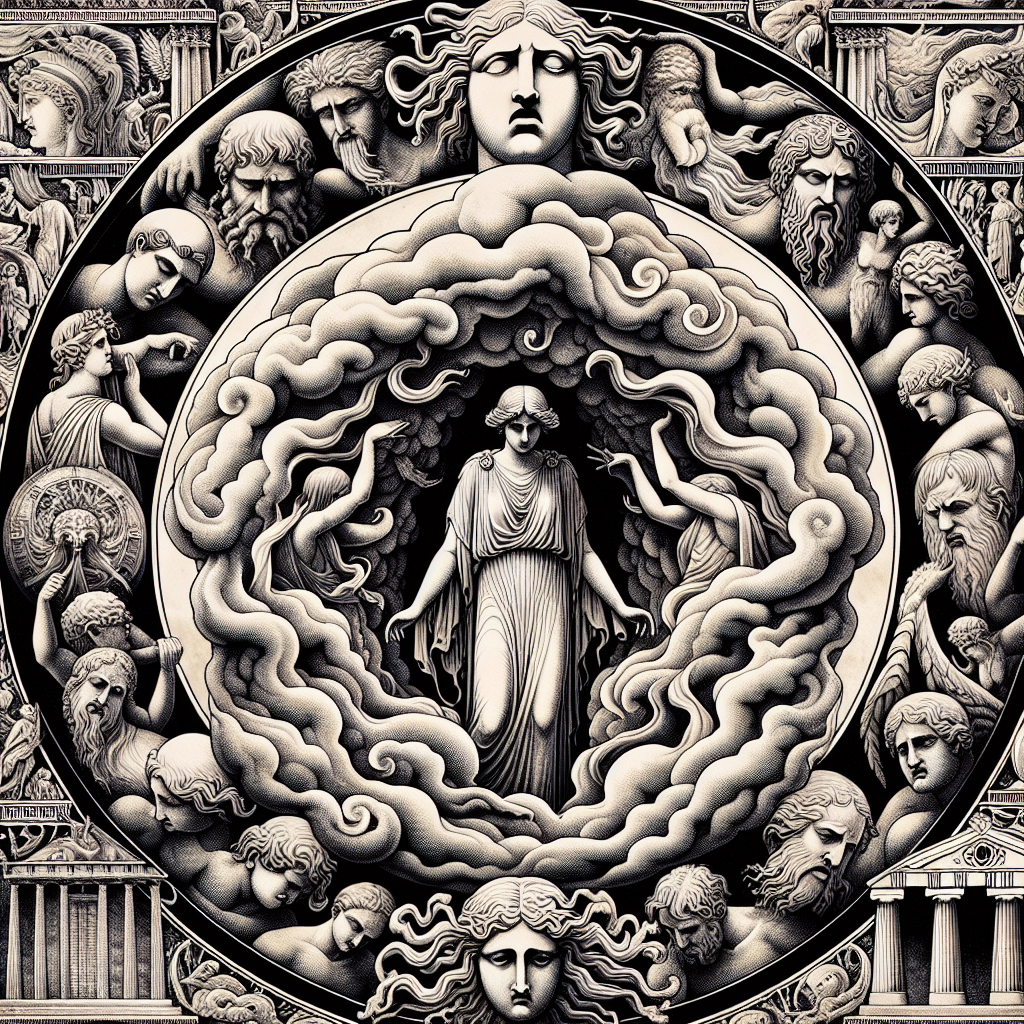
Grief, a profound and universal emotion, is intricately woven into the fabric of Greek mythology. The tales of gods, goddesses, and mortals recount experiences of loss and mourning that transcend time and culture, exploring both the depths of sorrow and the resilience of the human spirit. Greek mythology not only highlights the inevitability of death but also provides nuanced perspectives on how various figures cope with their grief. This exploration of loss reveals the complexity of human emotions, encapsulating the struggle between love and sorrow, hope and despair.
The Archetype of Loss: Demeter and Persephone
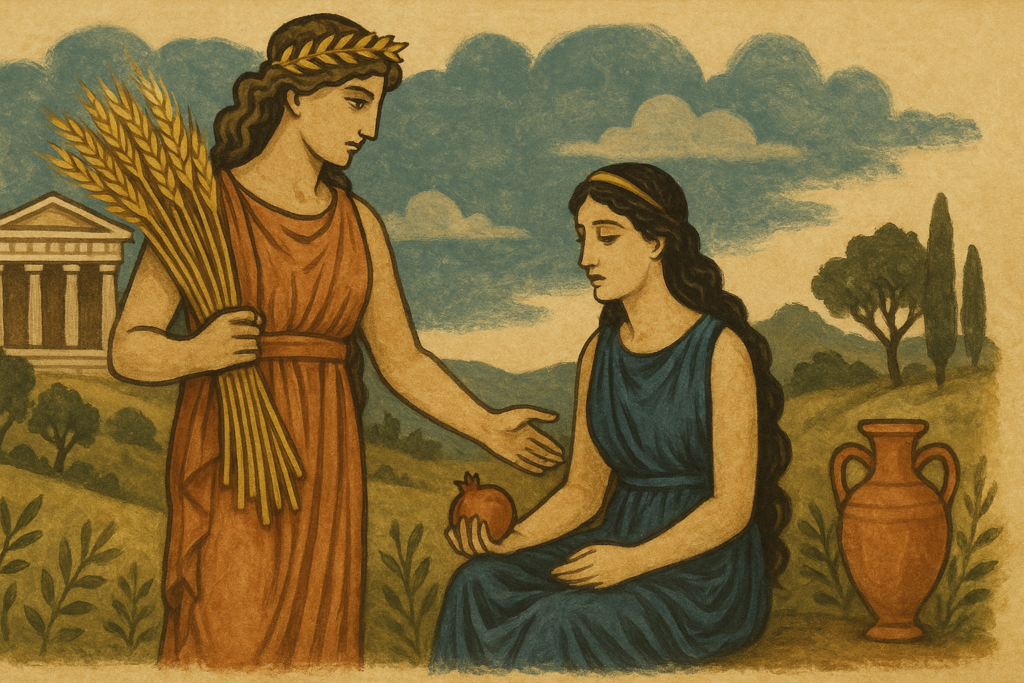
Perhaps the most emblematic tale of grief in Greek mythology is that of Demeter and her daughter, Persephone. When Hades abducts Persephone to the underworld, Demeter’s anguish is palpable, symbolizing the deep bond between mother and daughter. Her grief manifests in a dramatic transformation of the natural world; crops fail, and the earth becomes barren. This myth captures the essence of maternal love and the cyclical nature of life and death.
Demeter’s sorrow represents an emotional power that can disrupt the cosmos. As she mourns, the seasons change, embodying the connection between human emotion and the natural world. When Persephone is finally allowed to return to her mother for part of the year, the earth flourishes, signaling that while grief can lead to desolation, it can also be a precursor to renewal and hope. This duality reflects a vital aspect of human experience: the coexistence of grief and the promise of rebirth.
Orpheus: The Power of Art and Memory
The myth of Orpheus offers another poignant exploration of grief, as it highlights the transformative, yet often tragic, nature of love and loss. Orpheus, a gifted musician, descends into the underworld to retrieve his wife, Eurydice, who died prematurely. His music, a powerful expression of grief, softens the hearts of Hades and Persephone, who allow her to return to the living world under one condition: Orpheus must not look back at her until they reach the surface.
This tale encapsulates the struggle between hope and despair, illustrating how grief can drive individuals to undertake impossible journeys. Tragically, Orpheus ultimately succumbs to his longing and looks back, losing Eurydice forever. His story reflects not only the irretrievable nature of death but also the desperate human desire to hold onto love, capturing the complexity of grief as it oscillates between hope and hopelessness. The myth serves as a reminder of the fragility of joy and the permanence of loss.
The Tragic Cycle: Agamemnon and Clytemnestra
The grief experienced by Agamemnon and Clytemnestra adds another layer to the understanding of loss in Greek mythology. Agamemnon’s sacrifice of their daughter, Iphigenia, to appease the goddess Artemis before the Trojan War sets off a tragic chain of events steeped in grief and vengeance. Clytemnestra’s sorrow transforms into a burning desire for revenge, culminating in the murder of Agamemnon upon his return from the war.
This narrative demonstrates how grief can pervert love into anger, leading to a cycle of violence and retribution. Clytemnestra embodies the idea that unprocessed grief can fester and grow, ultimately driving individuals to commit heinous acts. The heart-wrenching concept that grief can degenerate into a thirst for revenge speaks to the darker side of human emotions, highlighting the destructive potential of unacknowledged sorrow.
Alcmene and Herculean Grief
The story of Alcmene and her son Heracles adds yet another dimension to the theme of grief in Greek mythology. Alcmene, a mortal woman, faces insurmountable sorrow following the loss of her children at the hands of Heracles, driven mad by Hera’s jealousy. Heracles, a symbol of strength, is, paradoxically, rendered powerless in moments of emotional turmoil, illustrating that even the mightiest can succumb to grief.
This myth serves as a testament to the unpredictable nature of grief and its ability to dismantle both body and spirit. Alcmene’s heartache becomes emblematic of a mother’s love—the idea that the bond with one’s children is perhaps the deepest source of both joy and sorrow. The interplay between Heracles’ physical might and Alcmene’s emotional vulnerability highlights how grief can unravel even the strongest individuals.
Conclusion: The Legacy of Grief in Greek Myth
The myriad stories of grief in Greek mythology not only illuminate the emotional landscape of ancient cultures but also resonate deeply with contemporary audiences. These myths serve as reflections on the complexities of love, loss, and the human condition, offering insights into how sorrow shapes identity and experience. Through characters like Demeter, Orpheus, Clytemnestra, and Alcmene, we engage with the raw authenticity of grief, understanding that it is an integral part of life’s narrative.
Greek mythology, with its rich tapestry of human emotions, provides a lens through which to view the multifaceted nature of grief—an emotion that, while deeply painful, can also inspire resilience, transformation, and ultimately, an appreciation for love and life. In grappling with these ancient tales, we not only honor the legacies of those who experienced such profound sorrow but also recognize our own struggles with grief, allowing us to confront and reconcile these emotions within our lives today.
Recommended reading
These are affiliate links. If you buy through them, we may earn a commission at no extra cost to you.
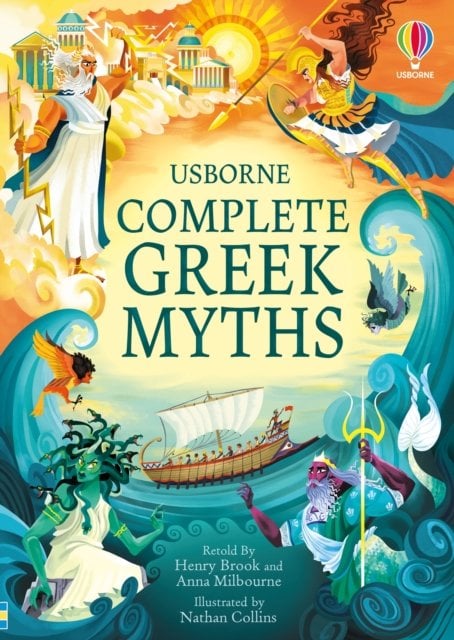
Complete Greek Myths: An Illustrated Book of Greek Myths
Featuring detailed retellings, beautiful character illustrations, and cultural background, this comprehensive volume brings the best-known and obscure Greek myths to life for readers of all ages. Complete with maps, a glossary, and a QR code for pronunciation guides and extra resources, it is an essential addition to any family bookshelf.
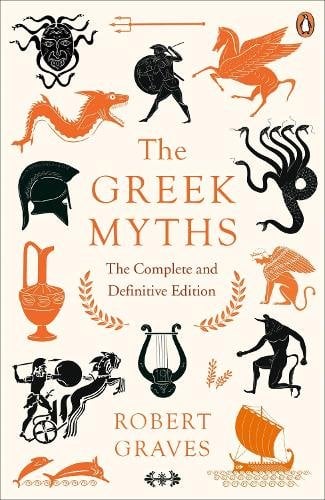
The Greek Myths: The Complete and Definitive Edition
Robert Graves’s definitive edition weaves the classic Greek myths, from the Labours of Hercules to the Trojan War, into one sweeping, authoritative narrative. Perfect for both first-time readers and classicists, this comprehensive volume combines engaging storytelling with detailed scholarly commentary and a complete index of names.

The Odyssey
Homer’s timeless epic The Odyssey follows the hero Odysseus on a perilous decade-long journey home from Troy, facing mythical monsters and divine wrath. Meanwhile, his wife Penelope and son Telemachus defend their kingdom against ruthless suitors in this classic tale of loyalty and endurance.