The Place of Rituals in Shaping Greek Mythology
Greek mythology has long captivated the imagination of scholars, artists, and enthusiasts alike, providing profound insights into the beliefs and practices of ancient Greek society. At the heart of these mythological tales lie the rituals that not only celebrated but also shaped the myths themselves. Rituals in ancient Greece were more than mere ceremonial practices; they served as vital conduits through which divine stories manifested, social norms were established, and communal identities were forged.
The Interconnection of Myth and Ritual
Rituals in Greek culture played an essential role in giving life to mythology. Individuals experienced the gods not only through stories recited in epic poetry or performances but also by participating in rituals designed to honor them. These rituals allowed the Greeks to connect with the divine, lending credibility and tangibility to the myths they told.
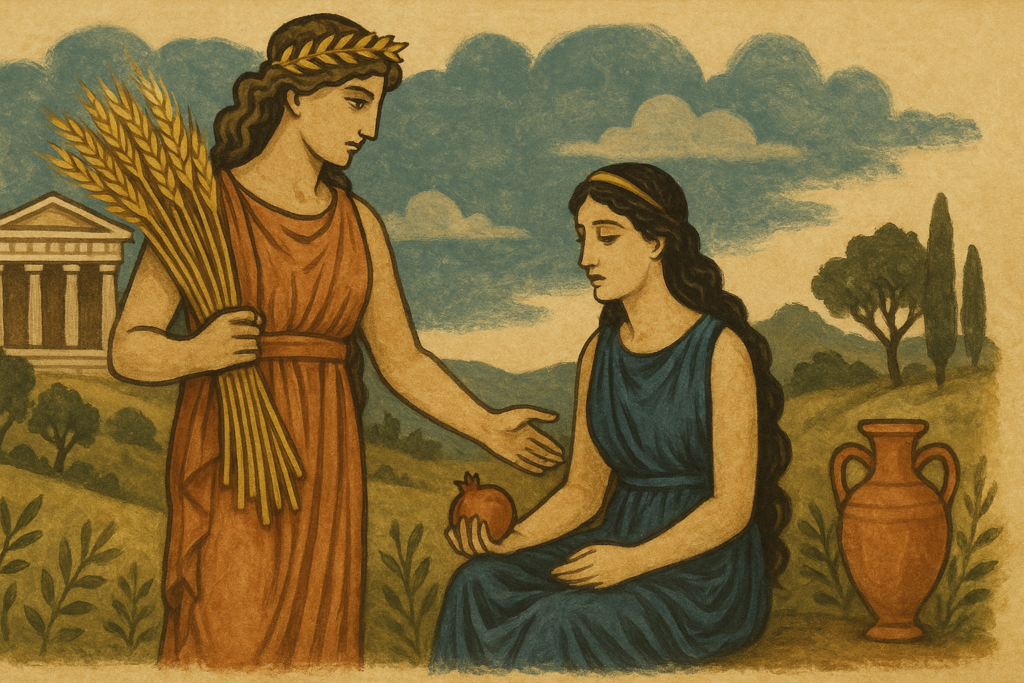
For instance, the worship of Demeter and Persephone was closely tied to agrarian rituals. The Eleusinian Mysteries, which celebrated the cycle of life and death, echoed the myth of Persephone’s descent into the underworld and her eventual return, symbolizing the seasonal cycle of planting and harvest. Through the ritualized commemoration of this myth, participants could experience the death and rebirth of nature firsthand, reinforcing the story’s significance in everyday life.
Mythical Narratives as Ritual Frameworks
Greek myths often provided the frameworks for various religious rituals. Each myth had specific stories or characters associated with particular rites. For example, the myth of Apollo and Daphne is reflected in the rituals celebrated at Delphi, the site of the oracle, where worshipers would offer praise to Apollo to seek guidance and prophecy. The stories served not just as entertainment but as a means of instructing devotees on the nature of the gods and the appropriate responses to divine manifestations.
Rituals often involved communal gatherings that further reinforced social bonds and collective memory, anchoring the mythical narratives within the broader context of community identity. The stories thus became essential in constructing a shared cultural ethos, allowing for the preservation and transmission of core values and societal norms across generations.
Festivals and Their Significance
Festivals were key rituals in ancient Greece that provided structured occasions for communal worship and celebration, allowing mythology to permeate daily life. Events like the Panathenaia in Athens or the Olympic Games incorporated elements of myth within their ceremonies, creating a vibrant interplay between festivity and divinity.
At the Panathenaia, the myth of Athena’s birth and the story of her role in protecting the city were centerpieces of the celebration. The procession, offering of the peplos (a ceremonial robe), and a series of competitions served not only to honor Athena but also to reinforce civic pride and unity among the people of Athens. By enacting the myth through ritual, participants were reminded of their shared identity as Athenians and their reliance on divine favor.
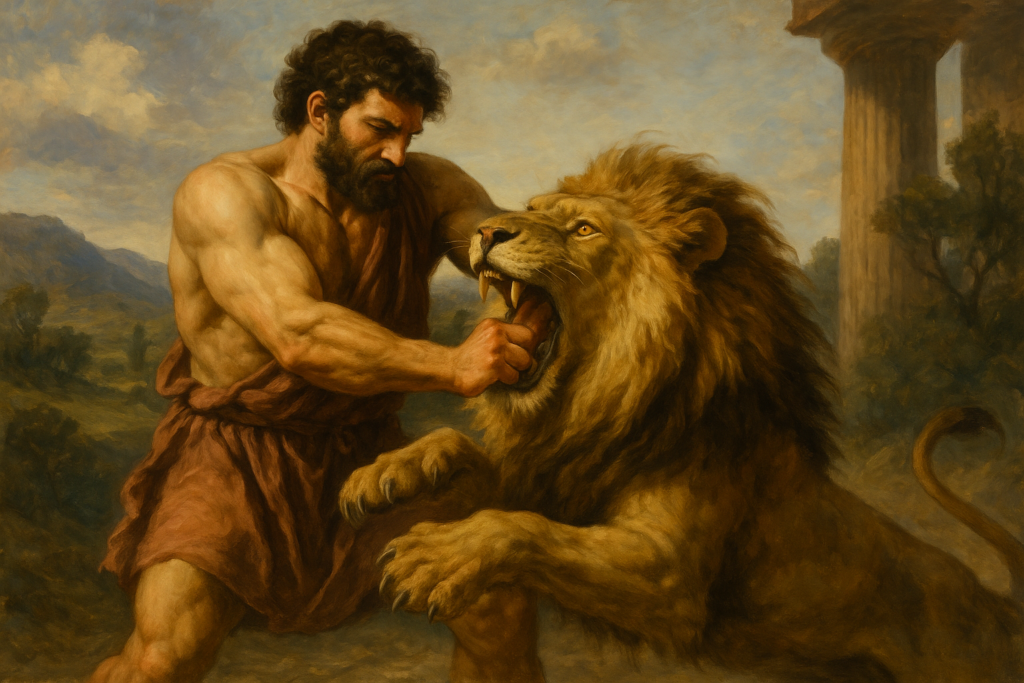
Similarly, the Olympic Games celebrated strength and prowess, echoing the myths of heroes such as Heracles. These competitions were not merely athletic; they were spiritual undertakings that expressed reverence for the gods, particularly Zeus. The rituals surrounding the games, including sacrifices and temple visits, highlighted both the competitive spirit and the sacred human-divine relationship present in mythological narratives.
The Role of Mystery Cults
In addition to civic festivals, mystery cults, such as those dedicated to Dionysus or the aforementioned Eleusinian Mysteries, added layers of complexity to the relationship between myth and ritual. These rites often involved secret knowledge, personal transformation, and the promise of an afterlife, which offered a more intimate connection to the divine than public state rituals.
The Bacchic rituals centered around Dionysus emphasized madness and ecstasy, exploring themes of death and rebirth prevalent in the myth of the god. Participants, often engaging in frenzied dances and performances, experienced a sense of liberation that resonated deeply with their understanding of existence and the divine. The associated myths found expression in the rituals, which, in turn, enhanced the significance and meaning of the stories told about Dionysus.
Everyday Rituals and Mythological Echoes
While grand festivals captured the communal aspect of Greek religious life, everyday rituals equally shaped the understanding of mythology. Household worship, known as “the household cult,” involved daily practices where families honored their household gods (the “lares” and “penates”). These rituals might incorporate myths about domestic deities, reinforcing their importance in the daily lives of ordinary people.
By integrating these myths into daily practice, the stories became less distant and more integral to the fabric of everyday life. Individuals could invoke divine presence through simple rituals, allowing myth to diffuse across various levels of social structure—uniting the sacred and the mundane.
Rituals as a Social Commentary
Additionally, rituals sometimes served as vehicles for social commentary, allowing the community to grapple with moral and ethical questions. The tragedies of playwrights like Aeschylus and Sophocles often emerged from mythological narratives, intertwining rituals with themes of justice, fate, and divine will. The festivals in which these plays were performed often facilitated public discourse about societal values and governance, allowing myth to shape and be shaped by contemporary issues.
Conclusion
In the complex tapestry of ancient Greek culture, rituals served as both the foundation and manifestation of mythology. Through the interplay of communal and personal practices, myths were not merely stories but living experiences that informed identity, social structure, and understanding of the divine. By honoring their gods through these rituals, the Greeks kept their myths alive and relevant, ensuring that the stories of their pantheon continued to resonate across generations.
Ultimately, the place of rituals in shaping Greek mythology underscores the deep-seated connections between belief, practice, and social identity, illustrating how the ancient Greeks navigated their world, both sacred and profane. Through rituals, they not only honored their gods but also defined their existence within the ever-evolving narrative of their cultural heritage.
Recommended reading
These are affiliate links. If you buy through them, we may earn a commission at no extra cost to you.
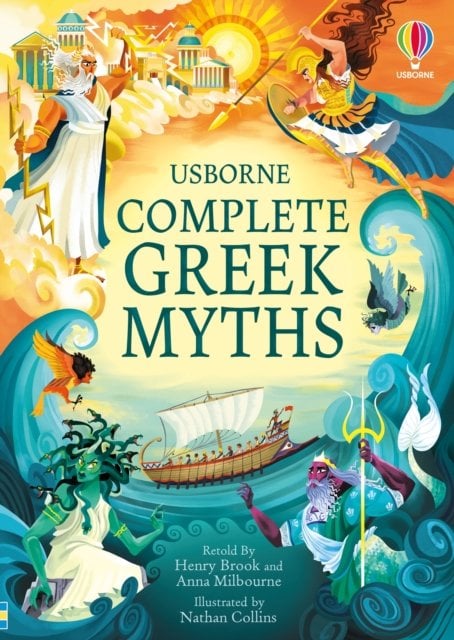
Complete Greek Myths: An Illustrated Book of Greek Myths
Featuring detailed retellings, beautiful character illustrations, and cultural background, this comprehensive volume brings the best-known and obscure Greek myths to life for readers of all ages. Complete with maps, a glossary, and a QR code for pronunciation guides and extra resources, it is an essential addition to any family bookshelf.
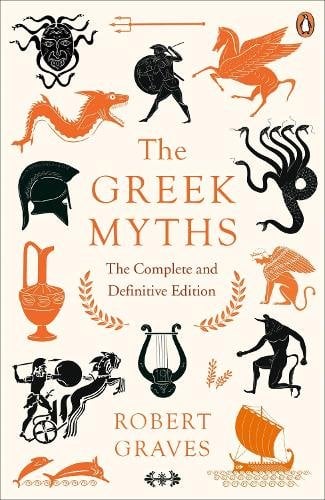
The Greek Myths: The Complete and Definitive Edition
Robert Graves’s definitive edition weaves the classic Greek myths, from the Labours of Hercules to the Trojan War, into one sweeping, authoritative narrative. Perfect for both first-time readers and classicists, this comprehensive volume combines engaging storytelling with detailed scholarly commentary and a complete index of names.
The Odyssey
Homer’s timeless epic The Odyssey follows the hero Odysseus on a perilous decade-long journey home from Troy, facing mythical monsters and divine wrath. Meanwhile, his wife Penelope and son Telemachus defend their kingdom against ruthless suitors in this classic tale of loyalty and endurance.