Echo and Narcissus: A Story of Love and Loss

Echo and Narcissus: A Story of Love and Loss
The tale of Echo and Narcissus, rooted in ancient Greek mythology, presents a poignant exploration of love, self-obsession, and the tragic consequences of unrequited desire. Their story is laden with themes that resonate through time, highlighting the intricacies of human emotion and the often-fragile nature of relationships.
The Characters
Echo was a mountain nymph, gifted with beauty and a vibrant spirit, known for her cheerful chatter and ability to charm those around her. However, she was cursed by Hera, the queen of the gods, who was jealous of Echo’s talent for conversation. This curse rendered Echo unable to speak her thoughts, forcing her to repeat the last words spoken to her. As a result, her capacity for genuine communication was lost, transforming her into a mere reflection of others’ words.
Narcissus, on the other hand, was a strikingly handsome youth known for his extraordinary beauty. His allure captivated all who beheld him, including the nymphs and mortals who fell hopelessly in love with him. However, Narcissus was indifferent to their affections; his heart was untouched by love for anyone but himself. This self-admiration would lead him to a poignant fate, illustrating the perils of narcissism.
The Unfolding of Their Story
The fateful encounter between Echo and Narcissus begins when Echo, enchanted by Narcissus’s beauty, falls hopelessly in love with him. Unfortunately for her, Narcissus’s self-absorption blinds him to her existence. When Echo first sees him, she attempts to express her feelings, but can only repeat his words. This heartbreaking dynamic deepens Echo’s anguish, as each interaction reveals the chasm between her longing heart and Narcissus’s obliviousness.
One day, while wandering in the woods, Narcissus comes across a pool of crystal-clear water. When he gazes into it, he sees not just his reflection but an ethereal beauty that enthralls him. He falls in love with the image staring back at him, unaware that this obsession is hollow—a futile engagement with an unattainable ideal. In his fixation, Narcissus becomes trapped in a cycle of longing that can never be fulfilled, ultimately leading to his demise.
The depth of Echo’s despair is palpable. She is tormented not only by her unrequited love but also by the realization that she can never be truly seen or heard, for her voice is forever bound by the repetition of others’ words. Heartbroken, she retreats into the mountains, her physical form fading away until only her voice remains, echoing through the hills—a tragic reminder of the love that could have been.
Themes of Love and Obsession
The narrative of Echo and Narcissus weaves an intricate tapestry of love and loss that speaks to the human experience. Echo embodies the archetype of unrequited love, showcasing the emotional turmoil that arises when affection is not reciprocated. Her inability to communicate her true feelings reflects the struggle many face in expressing their love, revealing the barriers that can exist in relationships.
Narcissus represents the dangers of self-obsession. His love for his reflection is a metaphor for a deeper existential conflict: the inability to engage meaningfully with the world outside oneself. The allure of vanity and superficial beauty becomes a trap, resulting in isolation and despair.
The interplay between these two characters poignantly illustrates how love, when not balanced by empathy and mutual recognition, can lead to loneliness. Echo’s fate serves as a reminder of the painful consequences of one-sided affection, while Narcissus’s demise highlights the emptiness that comes with self-love devoid of connection to others.
The Legacy of Their Story
The myth of Echo and Narcissus has transcended its ancient origins to find its place in modern culture, inspiring various artistic interpretations across literature, film, and art. Their tragic tale resonates with contemporary issues of identity, self-esteem, and emotional connection. In an age where social media often magnifies self-absorption, the lessons from Echo and Narcissus remain relevant.
The story also prompts reflection on the nature of love. Genuine affection hinges on recognition, reciprocity, and understanding. Echo’s plight emphasizes the importance of being seen and heard in relationships, while Narcissus’s fate is a cautionary tale against the perils of excessive self-love.
Conclusion
Echo and Narcissus’s tale is a multifaceted exploration of the depths of love and the perils of self-absorption. Their experiences echo the complexities of human emotions, illustrating how love can inspire both profound joy and deep sorrow. Through their story, we are reminded of the delicate balance between self-love and the capacity to love others. In a world increasingly grappling with the challenges of genuine connection, the narrative of Echo and Narcissus invites us to reflect on our relationships and the importance of truly seeing and understanding one another.
Ultimately, the myth serves as a timeless reminder that love, in all its forms, requires vulnerability, openness, and a genuine commitment to one another’s existence. The echoes of their story continue to resonate, urging us to seek connection, empathy, and understanding in a world often overshadowed by self-interest and isolation.
Recommended reading
These are affiliate links. If you buy through them, we may earn a commission at no extra cost to you.
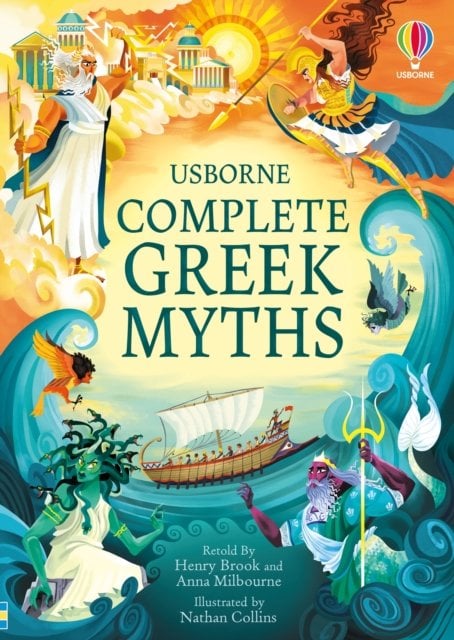
Complete Greek Myths: An Illustrated Book of Greek Myths
Featuring detailed retellings, beautiful character illustrations, and cultural background, this comprehensive volume brings the best-known and obscure Greek myths to life for readers of all ages. Complete with maps, a glossary, and a QR code for pronunciation guides and extra resources, it is an essential addition to any family bookshelf.
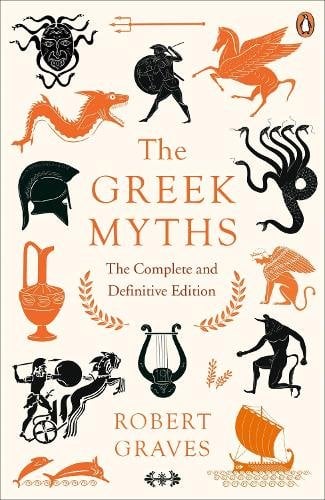
The Greek Myths: The Complete and Definitive Edition
Robert Graves’s definitive edition weaves the classic Greek myths, from the Labours of Hercules to the Trojan War, into one sweeping, authoritative narrative. Perfect for both first-time readers and classicists, this comprehensive volume combines engaging storytelling with detailed scholarly commentary and a complete index of names.
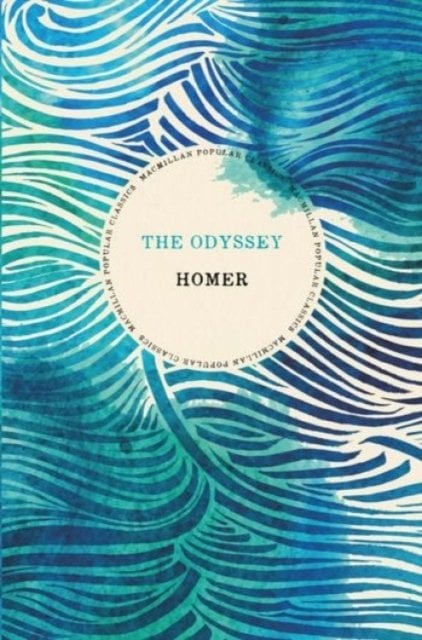
The Odyssey
Homer’s timeless epic The Odyssey follows the hero Odysseus on a perilous decade-long journey home from Troy, facing mythical monsters and divine wrath. Meanwhile, his wife Penelope and son Telemachus defend their kingdom against ruthless suitors in this classic tale of loyalty and endurance.