Women in Egyptian Mythology: Powerful Figures and Their Stories
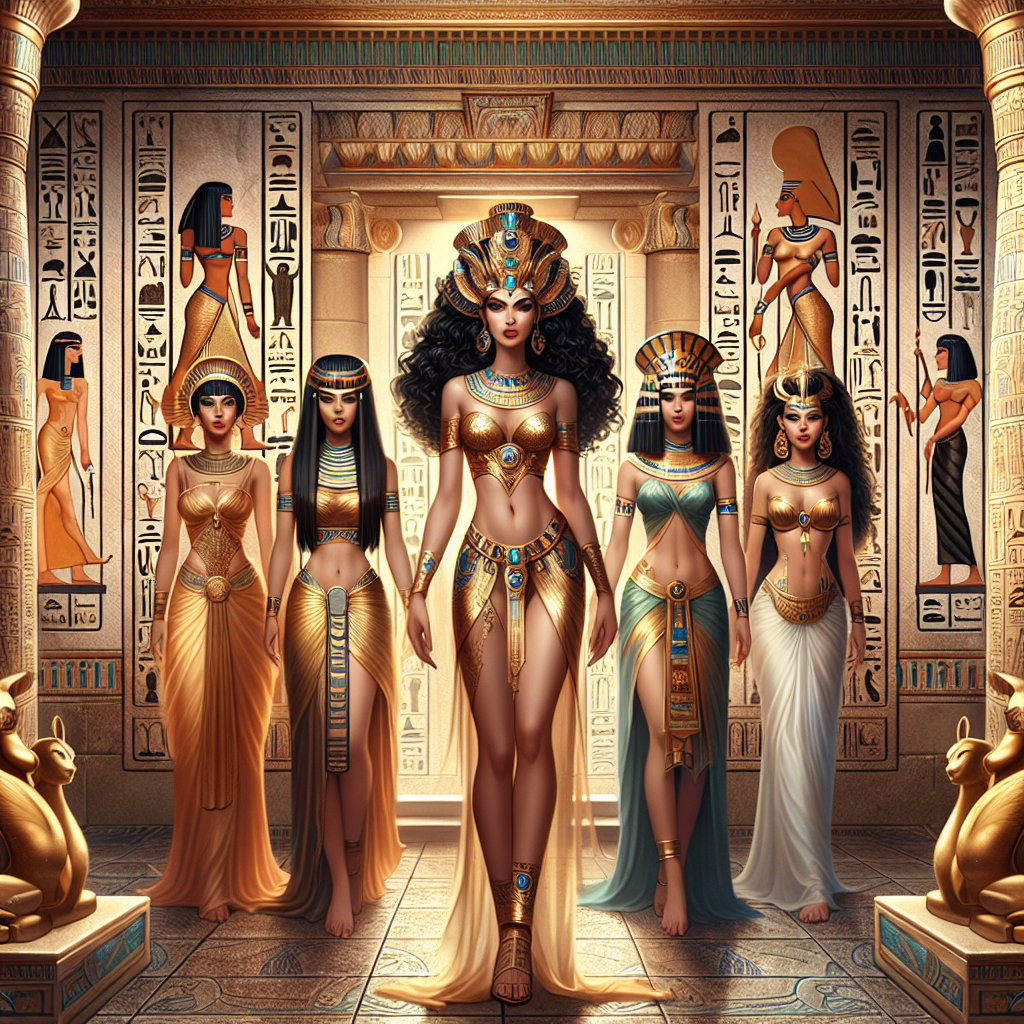
Ancient Egyptian mythology is teeming with deities, each representing various aspects of life, nature, and the cosmos. Among these divine figures, women played pivotal roles, often embodying strength, wisdom, and power. In a society that revered both male and female deities, the stories of women in Egyptian mythology not only celebrate femininity but also offer insight into the cultural values and beliefs of ancient Egyptians. This article seeks to explore some of the most significant female figures in Egyptian myth, their stories, and the roles they played in the pantheon.
1. Isis: The Archetypal Mother and Protector
Perhaps the most prominent female figure in Egyptian mythology is Isis, the goddess of motherhood, magic, and fertility. She is often depicted as a woman with a throne-shaped crown and an ankh in her hand, symbolizing life. Isis’s story is central to many myths, particularly the Osiris myth, where she emerges as a powerful symbol of loyalty and resilience.
Isis was married to Osiris, the god of the afterlife and agriculture. When Osiris was killed by his brother Seth, who was envious of his power, Isis’s love and determination drove her to resurrect him. Through her magical abilities, she not only brought Osiris back to life but also conceived their son, Horus. As a devoted mother and protector, Isis nurtured Horus, teaching him to fight against Seth, thereby ensuring the continuity of life and order in the universe.
Isis’s importance extends beyond her myths; she was widely worshiped across Egypt and served as a beacon of hope and healing for women. Worshippers often sought her protection during childbirth, and her association with magic made her a central figure in various rituals. Through her character, the ancient Egyptians underscored the significance of femininity and maternal strength.
2. Hathor: Goddess of Love, Music, and Joy
Hathor is another powerful feminine figure in Egyptian mythology, known as the goddess of love, beauty, music, and motherhood. Often depicted as a cow or a beautiful woman with cow horns and a sun disk, Hathor embodies the nurturing aspects of femininity. Her joyful nature connects her to celebrations and feasts, making her a popular figure among the people.
One of her legendary tales involves her role as the mother of Horus. Hathor was also seen as a provider of bliss and happiness, harmonizing the chaotic elements of life. Moreover, she had a dual nature, sometimes taking on a more fierce aspect, which allowed her to protect the pharaohs in battle. This flexibility made her one of the most revered and multifaceted deities in the Egyptian pantheon.
Hathor’s influence was widespread; she was not only a goddess of the home but also an essential figure in the afterlife, as she welcomed the deceased into the next world with joy. Festivals dedicated to Hathor were marked by music and dancing, underscoring her connection to happiness and the vital rhythms of life.
3. Ma’at: The Goddess of Justice and Truth
Ma’at represents the concepts of truth, justice, and cosmic order. Often depicted as a woman with an ostrich feather on her head, she embodied the principles that upheld both the universe and societal structure. In ancient Egypt, maintaining Ma’at was crucial for balance and harmony; it governed not only the natural world but also human behavior.
One of the most significant stories involving Ma’at is her role in the judgment of the dead. During the funerary rites, the heart of the deceased was weighed against Ma’at’s feather. If the heart was lighter, the soul was deemed virtuous and granted access to the afterlife. This mythological narrative highlights the importance of morality and ethical conduct in ancient Egyptian society, with Ma’at serving as the ultimate arbiter of justice.
Ma’at’s teachings provided a moral compass for the living, and her presence reinforced the significance of truth in personal and communal relationships. She represented an ideal, guiding individuals toward making decisions that aligned with righteousness, fairness, and harmony.
4. Neith: The Warrior Goddess
Neith is one of the oldest goddesses in the Egyptian pantheon, revered as a goddess of war, hunting, and weaving. Often depicted as a woman wielding arrows or a bow, Neith was associated with the rivers and was believed to protect and nurture life. Her dual roles as a warrior and a creator made her a unique figure among Egyptian deities.
She was also viewed as a mother figure, believed to have birthed the sun and raised it each day. In addition, Neith was thought to preside over the afterlife, offering protection to souls as they journeyed through the underworld. As a goddess who straddled the realms of war and peace, Neith exemplified the balance of strength and femininity.
Her worship was especially prominent in the city of Sais, where she was considered the patron goddess. Various texts depict her as a wise and strategic battle planner, illustrating the undeniable strength that women could possess, both in ancient society and myth.
5. Sekhmet: The Fierce Protector
Sekhmet is a formidable deity associated with war, destruction, and healing. Often depicted as a lioness or a woman with a lioness head, Sekhmet embodies the dual nature of power. Although she is feared for her destructive capabilities, she also has the ability to heal, highlighting the complex nature of femininity in Egyptian mythology.
According to ancient myths, Sekhmet was created by the sun god Ra to punish humanity for their disobedience. Her rage was so fierce that it threatened to destroy all of mankind. However, Ra devised a plan to quench her thirst for blood by flooding the land with beer dyed red, causing her to mistake it for blood and ultimately pacifying her. This duality represents the balance of creation and destruction, a concept that is central to many aspects of Egyptian belief.
Sekhmet was also invoked for healing, showcasing how power can also manifest in the nurturing aspect of femininity. Temples dedicated to Sekhmet served as centers for healing, illustrating the respect and reverence that ancient Egyptians held for feminine strength and capability.
Conclusion
The women of Egyptian mythology are powerful symbols of resilience, wisdom, creativity, and justice. Figures like Isis, Hathor, Ma’at, Neith, and Sekhmet reflect the various dimensions of femininity, each playing crucial roles in shaping the universe and society. Their stories continue to resonate today, serving as vital reminders of the strength and influence women can wield in both mythology and the real world.
As we delve deeper into these ancient tales, we uncover rich layers of meaning that highlight the complexity of not just the divine feminine but also the human experience. The reverence for women in ancient Egyptian culture serves as an inspiration for future generations, encouraging a recognition of the strength and power inherent in femininity. In exploring their legacies, we find that these mythological figures remain relevant, offering lessons on justice, love, creation, and resilience, proving that the stories of women are indeed timeless.