The Relationship Between Myths and Ancient Egyptian Medicine
The Relationship Between Myths and Ancient Egyptian Medicine
The ancient Egyptian civilization, renowned for its rich culture and advanced understanding of various subjects, has fascinated historians and archaeologists for centuries. Central to their culture was a complex system of beliefs that strongly intertwined medicine with mythology. The Egyptians did not separate science from spirituality; instead, their understanding of health and medicine was deeply rooted in their religious and mythological beliefs. This article explores how myths influenced ancient Egyptian medicine, reflecting the society’s views on health, disease, and the human body.
The Medical System of Ancient Egypt
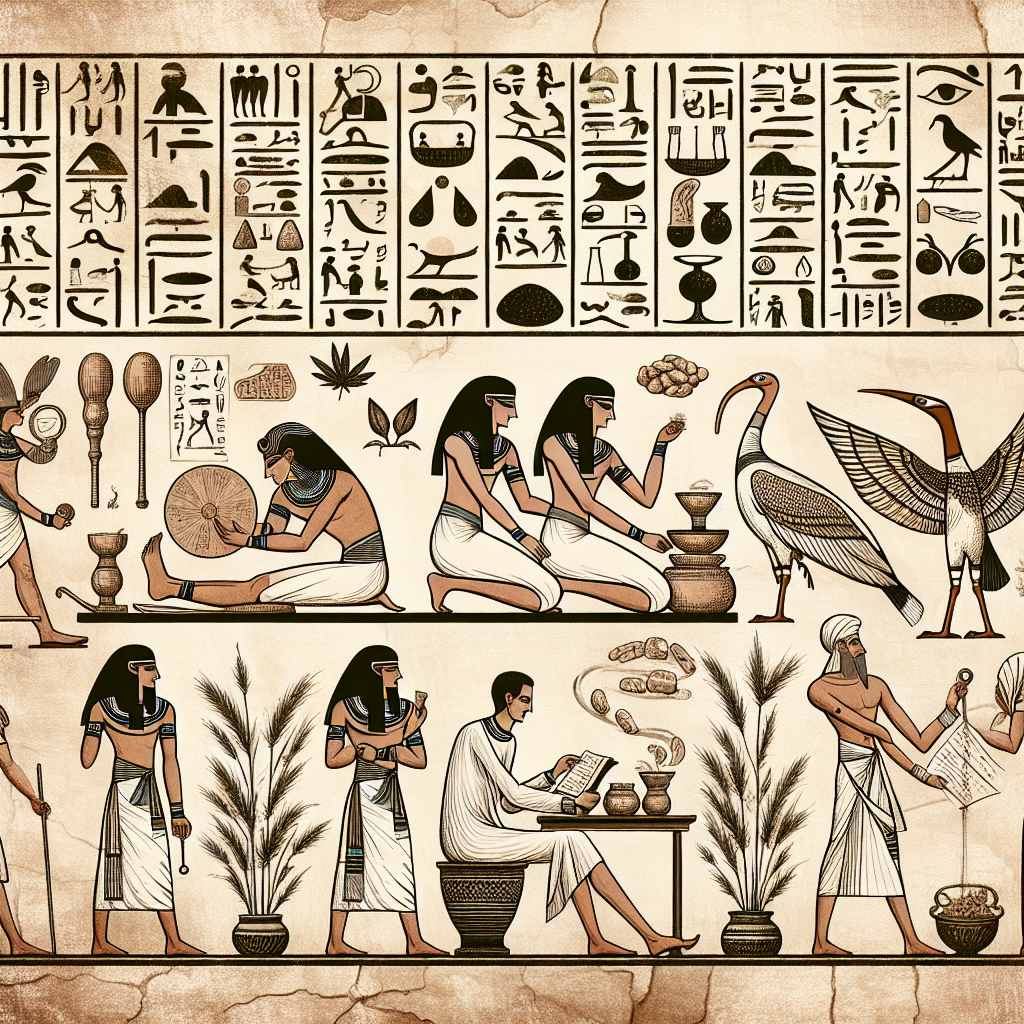
Ancient Egyptian medicine was a combination of practical knowledge and spiritual belief, characterized by a blend of empirical practices and mythological interpretations. The Egyptians had a sophisticated understanding of anatomy and used a range of natural remedies derived from plants, minerals, and animal products. They performed surgical procedures, mummification, and early forms of dentistry, demonstrating their empirical mastery. However, these practices were intertwined with profound religious and mythological significance, shaping their understanding of health and illness.
Deities and Health
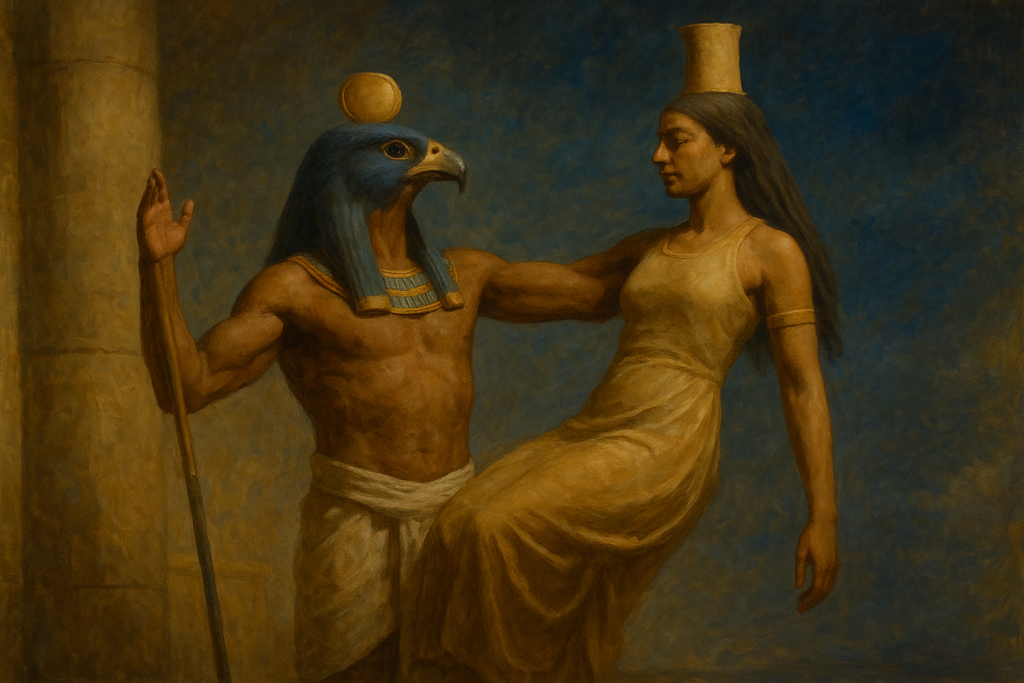
One of the most significant aspects of ancient Egyptian medicine was the role of deities, who were believed to influence health and disease. The Egyptians personified various aspects of life through gods and goddesses, attributing both creation and destruction to divine forces. Among these deities, Thoth, the god of wisdom, and Imhotep, a demigod associated with medicine and healing, played pivotal roles in medical practices.
Thoth was revered as the scribe of the gods and the deity of knowledge, writing, and magic. The Egyptians believed that he provided the wisdom needed to heal and that he possessed the secrets of medicine. Imhotep, on the other hand, was historically a figure from the Third Dynasty known for his contributions to architecture and medicine. Posthumously, he was deified and became associated with healing, representing the culmination of medical knowledge through divine intervention.
In addition to these deities, other gods like Sekhmet, the lion-headed goddess associated with war and healing, embodied the duality of health and disease. She was believed to have the power to bring plagues but also to heal them. Myths surrounding Sekhmet illustrated how illness could be seen as punishment for moral failings, blending the boundaries between healthcare and divine retribution.
Magic and Medicine
Magic held a significant place in ancient Egyptian medicine. Healing often involved spells and incantations to invoke divine help, showcasing the interplay between their medical practices and mythical elements. Medical texts, such as the Ebers Papyrus and the Edwin Smith Papyrus, contain not only practical medical advice but also spells and prayers intended to mitigate ailments through supernatural means.
For instance, treatment for various conditions often included invoking gods or using magical amulets inscribed with protective spells. These amulets were believed to promote healing by harnessing the power of deities, showcasing a belief that physical ailments were often manifestations of spiritual or moral disarray. The process of healing thus became a holistic endeavor connecting the physical, spiritual, and moral facets of human existence.
Disease as Divine Punishment
The ancient Egyptians frequently interpreted disease as a form of divine punishment, a common belief evident in many myths. They believed that if individuals strayed from the moral path or failed to honor the gods, they could incur illness. This perspective emphasized the ethical dimensions of both health and illness, as physical ailments were often viewed as reflections of one’s spiritual state.
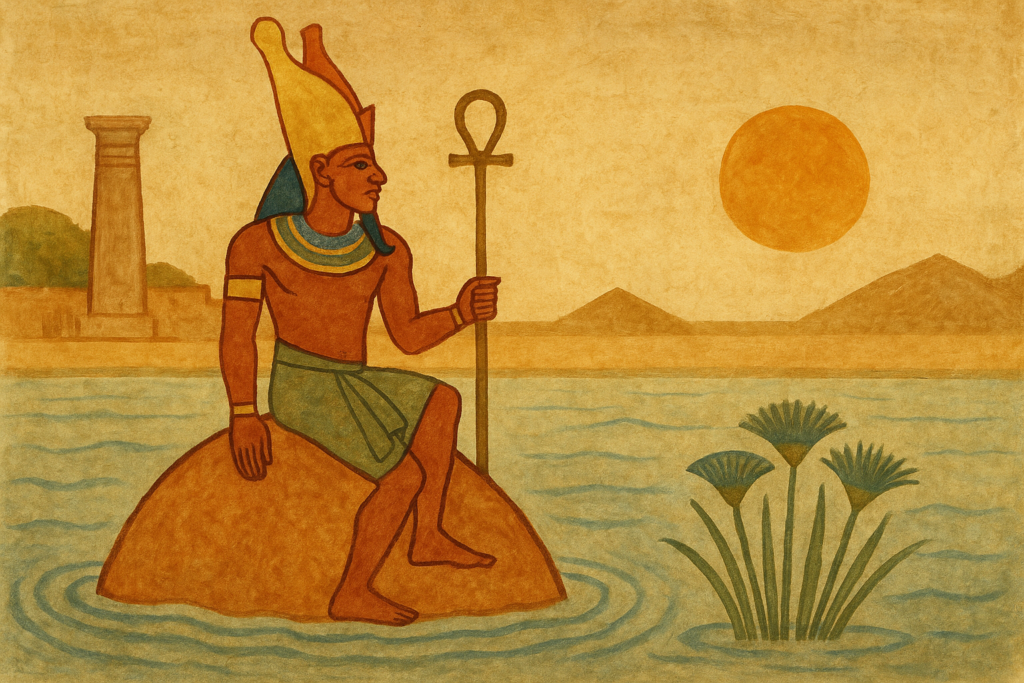
Several myths served to reinforce this belief. For instance, the myth of Osiris, who was dismembered and later resurrected, symbolized themes of death, resurrection, and the necessity of moral integrity. The enduring cycle of life and death encompassed not just physical existence but also the moral obligations of individuals towards the divine.
By understanding disease as punishment, the Egyptians viewed healing as a restoration of balance between the individual and the divine. Healing rituals often included confessions of wrongdoing and appeals for forgiveness, blending medical practices with moral rectitude.
Rituals and Healing Practices
The therapeutic practices of ancient Egyptian physicians often mirrored the rituals of their religious ceremonies. Healing was as much about spiritual purification as it was about physical treatment. Rituals aimed at restoring health included offerings to deities, purifications, and various forms of prayer.
In temples dedicated to healing gods, such as the temple of Sekhmet at Memphis, patients would undergo rituals performed by priest-physicians that combined practical treatments with spiritual invocations. These rituals sought not only to heal the body but also to purify the soul, reinforcing the notion that human health was a reflection of cosmic harmony.
The use of physical remedies often complemented these spiritual practices. Herbal treatments, dietary recommendations, and surgical procedures were applied, but they were always situated within a larger framework of belief that ascribed greater significance to the healing power of the divine and the importance of moral conduct.
The Legacy of Myths in Medicine
The fusion of myths and medicine in ancient Egypt profoundly influenced subsequent civilizations. Greek physicians like Hippocrates and Galen were inspired by Egyptian medical practices and philosophies, integrating both empirical knowledge and spiritual concepts into their own medical traditions.
In addition, the enduring legacy of Egyptian myths continued to inspire Western medicine, shaping the conceptual framework through which illness and healing were understood. The symbolic representations of deities and the prevalence of magic in healing rituals drew attention to the diverse ways humanity has sought to understand the complexities of health and disease.
Conclusion
In summary, the relationship between myths and ancient Egyptian medicine is a vital lens through which to explore this remarkable civilization. Health and wellness were not mere physiological concerns but deeply interwoven with spiritual and moral dimensions. Through deities, magical practices, and moral implications, ancient Egyptians developed a complex medical system that reflects their cultural ethos. Their understanding of health was not only a reflection of empirical knowledge but also a synthesis of the mythical narratives that permeated their daily lives, illuminating the rich tapestry of human experience in the ancient world.