The Sycamore Tree: A Mythical Symbol of Life and Protection

The sycamore tree, known scientifically as Platanus, is a magnificent and ancient symbol often revered in various cultures around the world. With its broad canopy, flourishing leaves, and substantial trunk, the sycamore has been deeply intertwined with mythology, spirituality, and the human experience. This article explores the rich symbolism of the sycamore tree, focusing on its associations with life, protection, and its various cultural implications throughout history.
A Brief Overview of the Sycamore Tree
The sycamore is a deciduous tree, distinguished by its distinctive bark that peels away in patches, revealing a fresh, greenish hue beneath. Found predominantly in regions of North America and parts of Asia and Europe, the sycamore thrives near water sources, often growing along riverbanks and marshes. With heights reaching up to 100 feet and diameters of over 3 feet, the sycamore tree boasts a grand presence that becomes a central feature in its environment.
Symbolism of Life
Fertility and Regeneration
In many cultures, the sycamore is closely associated with fertility and regeneration. The tree’s ability to grow robustly in varying conditions symbolizes resilience and the cycle of life. Its roots anchor deeply into the Earth, often growing near water, which reinforces the connection to nourishment and sustenance. In times of hardship and drought, the sycamore continues to thrive, becoming a metaphor for hope and rebirth.
Culturally Significant Associations
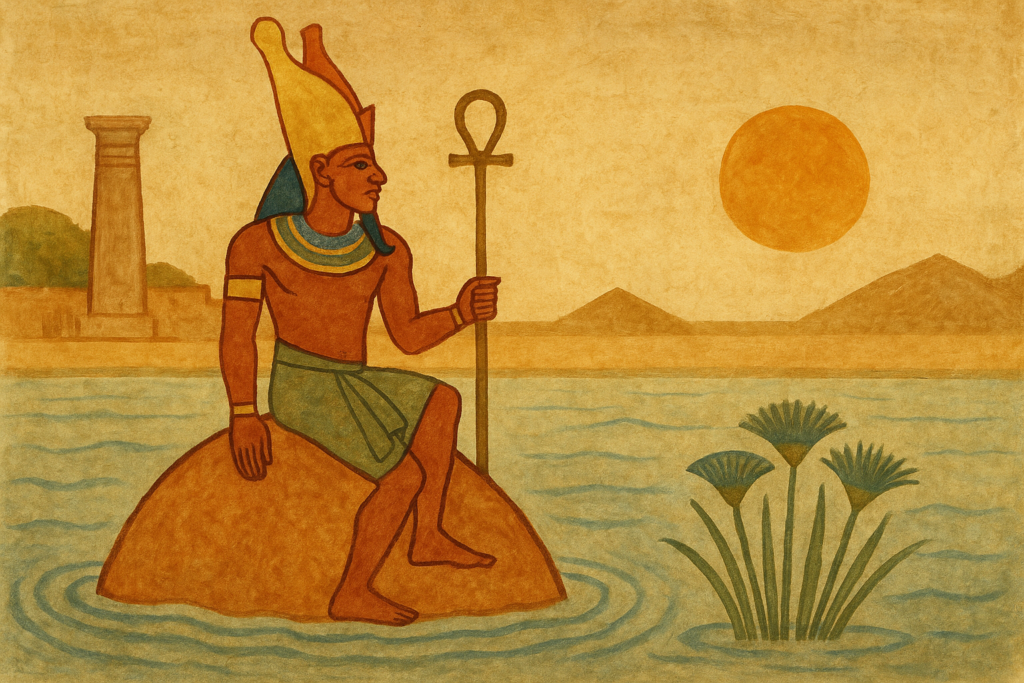
In ancient Egyptian mythology, the sycamore tree was revered as a sacred symbol of life and nourishment. The goddess Hathor, associated with music and fertility, was often depicted as being born from a sycamore tree. The Egyptians believed that the tree served as a portal between the earthly realm and the divine, offering protection to the souls of the departed. In this context, the sycamore tree embodies an everlasting cycle of life, death, and rebirth.
Biblical References
The Bible also holds the sycamore tree in high regard. In the Book of Luke, the story of Zacchaeus, the tax collector, highlights the sycamore as a setting for redemption and transformation. Zacchaeus, short in stature, climbed a sycamore tree to see Jesus as He passed by. This encounter serves as a reminder of personal growth and spiritual awakening, marking the sycamore as a symbol of divine connection and enlightenment.
Protection and Shelter
A Safe Haven
Beyond its associations with life, the sycamore tree also symbolizes protection and safety. Its expansive branches provide ample shade and shelter for a myriad of creatures, creating habitats for birds, insects, and small mammals. The sheltering quality of the sycamore represents not only physical protection but also emotional and spiritual refuge for those seeking solace.
Guardianship in Folklore
In various folktales, sycamores are depicted as guardians of sacred spaces. In Native American traditions, these trees are often considered symbols of protection and resilience, standing watch over communities and their environments. The tree’s longevity and sturdiness make it a fitting emblem of guardianship, providing safety and security amid life’s challenges.
The Roots of Protection
The roots of the sycamore also symbolize foundational strength. In many cultures, roots represent ties to ancestry, heritage, and community. The deep roots of the sycamore remind us of the historical connections and wisdom passed down through generations. This aspect ties the tree to protection, as it symbolizes heritage and the strength derived from a collective identity.
Artistic Representations
The sycamore’s majestic form has inspired countless artists, poets, and writers throughout history. From impressionist paintings capturing its grandeur to poetic verses celebrating its resilience, the sycamore has become an enduring source of inspiration. Its significance extends into contemporary art, where its symbolism is frequently revisited, representing themes of life, growth, and protection.
Modern Influence
In modern culture, the sycamore continues to resonate as a symbol of life and protection. Its presence in parks, gardens, and streets serves as a reminder of nature’s permanence in an ever-changing urban landscape. As humanity grapples with environmental challenges, the sycamore stands as a potent symbol of resilience and sustainability, urging individuals to reconnect with nature and cherish the spaces that provide life.
Healing Properties
Beyond its symbolic meanings, the sycamore tree holds potential healing properties. Traditionally, various parts of the sycamore, including its bark and leaves, have been utilized for medicinal purposes. Herbalists often associate the tree with healing and restoration, reflecting its duality as a protector and nurturer. This holistic view of the sycamore connects it further to life and wellness, making it a popular choice for those seeking balance and harmony.
Conclusion: A Living Legacy
The sycamore tree embodies profound symbolism, standing as a mythical representation of life, protection, and resilience. Its presence in mythology, religion, and literature offers a glimpse into the human connection with nature and the shared beliefs surrounding livelihood and guardianship. By fostering its legacy, we are reminded of the importance of preserving these magnificent trees and, by extension, the spaces they inhabit.
As we continue to navigate the complexities of modern life, the sycamore tree serves as an enduring symbol of hope, encouraging us to plant roots, cherish our connections, and provide protection for ourselves and future generations. In every aspect, from its grand stature to its rich cultural significance, the sycamore tree stands tall as a testament to the enduring nature of life and the protective forces that guide us through our journeys.