The Papyrus Field: Mythical Representation of Heaven
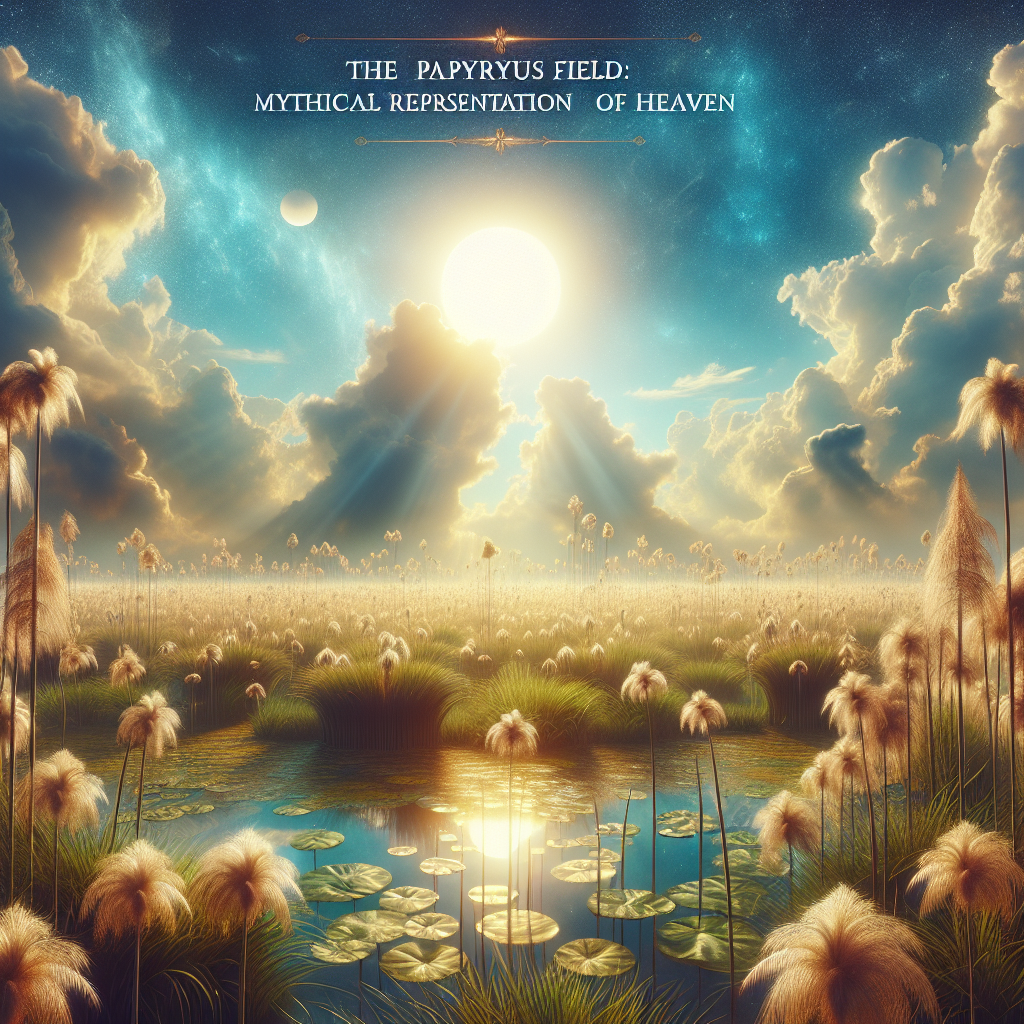
In ancient Egyptian mythology, the Papyrus Field, known as “Aaru,” represents an ethereal paradise, embodying the ideals of eternal bliss and the ultimate reward for the souls of the deceased. The concept arises from a deep understanding of life, death, and the afterlife, woven intricately into the fabric of Egyptian religion and beliefs. This article delves into the significance, symbolism, and the cultural importance of the Papyrus Field as a mythical representation of heaven in ancient Egyptian society.
The Mythological Context
In Egyptian cosmology, the afterlife was viewed as an extension of earthly existence rather than a stark contrast to it. The Papyrus Field stood as a metaphorical landscape where the deceased could experience an idyllic life reminiscent of the lush and fertile Nile River valley. It was envisioned as a vast expanse of verdant fields, complete with swaying papyrus reeds, abundant food, and a tranquil environment bathed in eternal sunlight. This paradise was not a vague concept but a well-defined realm where the souls of the righteous could indulge in the pleasures of life without the burdens of mortality.
The Papyrus Field was notably mentioned in the ancient texts of the “Book of the Dead,” a collection of spells, prayers, and incantations designed to guide the deceased through the challenges of the afterlife. In these texts, the journey through the underworld was fraught with trials, but successful navigation led to the ultimate reward: entry into the serene fields of Aaru.
Symbolism of the Papyrus Field
Nature and Fertility
The papyrus plant, synonymous with the Nile delta, played a significant role not only in daily Egyptian life as a material for writing and making various goods but also in spiritual contexts. The abundance of papyrus in Aaru symbolized fertility, rebirth, and the flourishing of life. Just as the Nile was essential for agriculture, the Papyrus Field represented a bounty that transcended earthly limitations, showcasing a divine order where the dead could relish in eternal abundance.
The Cycle of Life and Death
The representation of the Papyrus Field reflects the cyclical nature of existence as understood by the ancient Egyptians. The fields are reminiscent of the Nile’s annual flooding, which brought life to the farmland, serving as a symbol of regeneration. This cycle of death and rebirth is central to Egyptian beliefs, where the promise of resurrection and an ideal afterlife were paramount. The lush environment of the Papyrus Field echoed this notion, suggesting that the spirit would continue to flourish endlessly, much like the crops that revived with the Nile’s inundation.
Spiritual Fulfillment
The Papyrus Field is not merely an idyllic landscape; it is also a space of spiritual fulfillment and communion with the divine. Visitors to this realm would encounter divine entities, gods, and their ancestors, emphasizing the connection between the living and the dead. Such interactions were integral to maintaining the ongoing relationships valued in Egyptian culture. The harmonious blending of the individual spirit with the cosmic order reflects a holistic understanding of existence.
The Journey to the Papyrus Field
Navigating the path to the Papyrus Field required a soul to undergo a series of trials posthumously. This journey is often depicted in various texts and tomb paintings, illustrating the scale and significance of these challenges.
-
Judgment of the Dead: Central to this journey was the weighing of the heart ceremony, wherein the deceased’s heart was assessed against the feather of Ma’at, the goddess of truth and justice. A heart that was light and free from sin would allow the soul to enter Aaru.
-
Trials and Tribulations: Ancient Egyptians believed in various tests throughout the afterlife, including encounters with demons and obstacles designed to challenge the worthiness of the deceased. Success in these trials was essential for entry into the Papyrus Field.
-
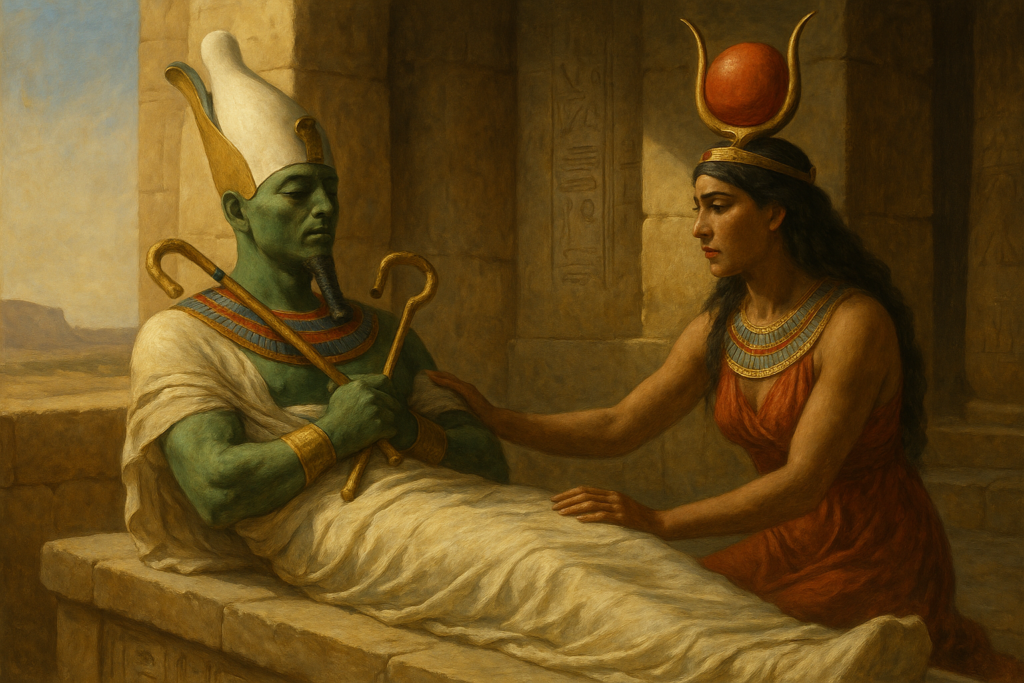
Guidance by Deities: Several deities played crucial roles in guiding souls. Osiris, the god of the afterlife, stands at the core of this journey, representing resurrection and the promise of eternal life. Anubis, the god of mummification and the caretaker of the dead, provided the necessary rites to ensure a safe passage into Aaru.
Cultural Impact
The Papyrus Field had a profound influence on ancient Egyptian culture, shaping not only how the Egyptians conceptualized life beyond death but also their rituals, art, and architecture.
Funerary Practices
Beliefs surrounding the Papyrus Field informed many funerary practices, as the desire for a safe passage to the afterlife led to intricate burial customs, including mummification and the construction of elaborate tombs. The grandeur of tombs, adorned with scenes of Aaru and inscriptions from the Book of the Dead, illustrated the significance of achieving eternal life and reflected the societal values placed on the afterlife.
Art and Literature
Imagery and narratives concerning the Papyrus Field dominated Egyptian art and literature. Tomb paintings often depicted vibrant scenes of pastoral life, signifying not merely an idyllic landscape but also the continuity of existence beyond the grave. These depictions reinforced the cultural ideology surrounding death and the importance of the afterlife, acting as a narrative device that linked the living with the divine.
Religion and Society
The belief in the Papyrus Field also reinforced ethical and moral frameworks within society. The notion of judgment and accountability after death encouraged individuals to pursue virtuous lives and uphold societal values. This connection between morality and destiny was integral to the ancient Egyptian worldview, emphasizing that earthly actions have lasting repercussions.
Conclusion
The Papyrus Field remains a potent symbol of hope and divine reward in ancient Egyptian mythology. It embodies the rich tapestry of beliefs regarding the afterlife, illustrating the ideals of fertility, resurrection, and spiritual communion. Through its compelling imagery and profound significance, the Papyrus Field resonates with the universal human yearning for immortality and a peaceful existence beyond this life. As a mythical representation of heaven, it continues to captivate our imagination, inviting us to ponder the mysteries of life, death, and the eternal journey that lies beyond.