Egyptian Mythology’s Influence on Early Christianity
Egyptian Mythology’s Influence on Early Christianity
The intertwining of cultures in the ancient Mediterranean world is a topic of profound significance. Among the myriad influences that shaped early Christianity, Egyptian mythology presents a fascinating and complex relationship. As Christianity emerged in a landscape rich with diverse religious practices and beliefs, the echoes of Egyptian mythology can be discerned in various aspects of early Christian thought, symbolism, and narrative.
Historical Context
To understand the influence of Egyptian mythology on early Christianity, one must first consider the historical context. Egypt, with its rich tapestry of gods, myths, and religious practices, held a significant place in the ancient world. The Ptolemaic dynasty, which ruled Egypt from 332 to 30 BCE, was instrumental in the syncretism of Greek and Egyptian ideas. By the time of Christ, many Egyptians had adopted aspects of Hellenistic culture, while still clinging to their ancient beliefs.
When Christianity began to spread in the first few centuries CE, it encountered not only Hellenistic religions but also the deeply entrenched beliefs of the Egyptian populace. The early church existed alongside established cults, particularly those centered on deities like Osiris, Isis, and Horus.
Myths and Deities
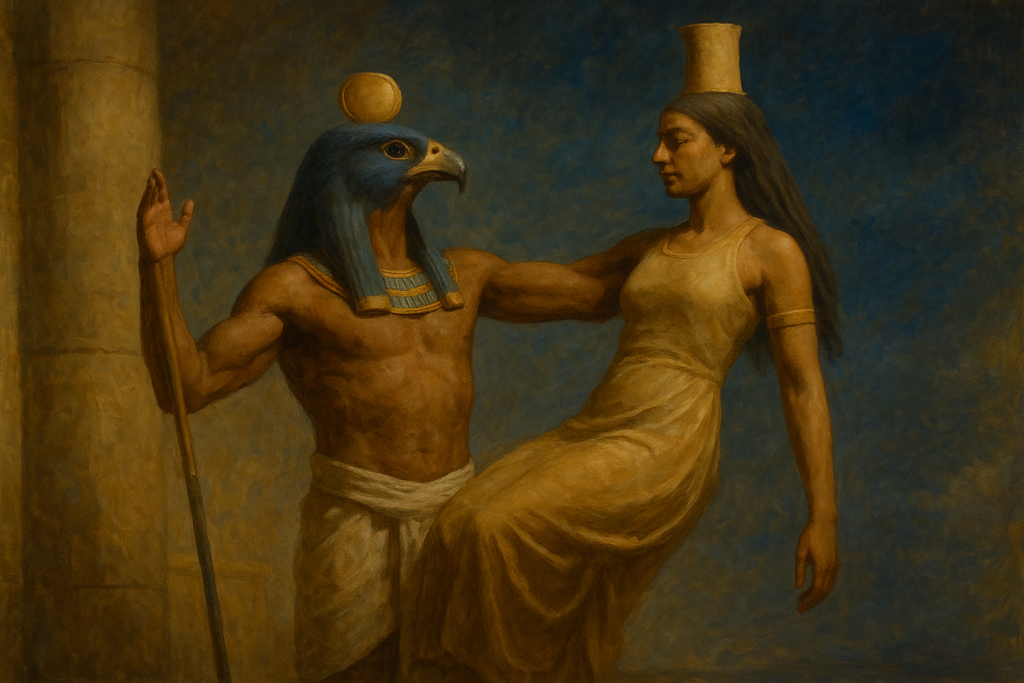
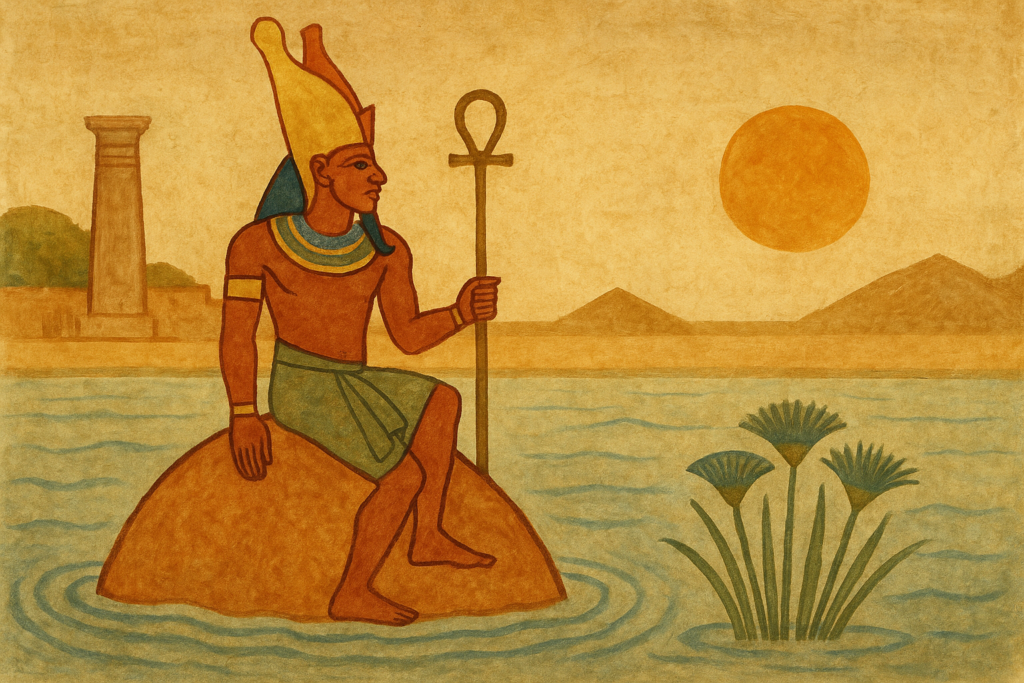
Central to Egyptian mythology is the story of Osiris, who was murdered by his brother Seth and subsequently resurrected by his wife, Isis. This narrative resonates with the story of Christ’s death and resurrection. Both figures are portrayed as dying and coming back to life, providing a path to salvation. Early Christians could have drawn parallels between the salvation offered by Christ and the rebirth associated with Osiris.
Isis, as the epitome of motherhood and femininity, also offers intriguing parallels to the Virgin Mary. The reverence for Isis as a maternal figure who nurtures and protects resonates with the Christian veneration of Mary. The iconography of Isis holding her child, Horus, finds a parallel in depictions of Mary with the infant Jesus, illustrating a shared cultural motif of divine motherhood.
The concept of divine resurrection and the afterlife is another salient point of connection. In Egyptian belief, the soul would undergo judgment after death, leading to a new life in the afterworld. This concept merged with early Christian views of eternal life and resurrection, emphasizing a common quest for meaning beyond death.
Symbolism and Practices
Various symbols found in Egyptian mythology have permeated early Christian practices and iconography. One prominent symbol is the ankh, often referred to as the “key of life.” This symbol represents eternal life and was widely used in ancient Egyptian artifacts. Its adaptation into Christian symbolism can be seen in the cross, which has become a central icon of the Christian faith, symbolizing Christ’s death and resurrection.
Ritualistic practices also find parallels. The Egyptian cult of Isis involved initiatory rites that promised participants a renewal of life and protection in the afterlife. Similarly, early Christians practiced rituals such as baptism, which symbolized the death of the old self and the rebirth into a new spiritual life. Both systems emphasized the transformative power of their respective rituals, underscoring a shared psychological craving for renewal and connection with the divine.
Gnostic Influence
The early centuries of Christianity were rife with diversity, and Gnosticism represented one of the most prominent alternative spiritualities. Some Gnostic texts, such as the Gospel of Thomas and the Gospel of Truth, reflect themes and ideas found in Egyptian mythology. These texts often include notions of secret knowledge and spiritual awakening, reminiscent of Egyptian esoteric traditions.
The Gnostic interpretation of Christ as a divine figure who imparts hidden knowledge shares similarities with the Egyptian idea of the “great teacher” archetype found in various deities like Thoth, the god of wisdom and writing. This interplay highlights how Egyptian thought contributed to the broader tapestry of religious beliefs during the early Christian period.
Theological Ideas
Egyptian mythology may have shaped various theological ideas in early Christianity. The concept of a trinity can be compared to Egyptian triads, such as the Osiris-Isis-Horus triad. The idea of three divine entities in a single essence reflects a similar understanding of divinity that could have influenced early Christian thinkers grappling with the nature of God.
Moreover, the existential questions posed in Egyptian texts regarding the nature of the soul and its relationship to the divine echo in early Christian writings. Philosophers and theologians of the time, such as Origen and Clement of Alexandria, navigated these discussions, and the fertile soil of Egyptian thought arguably informed their explorations of the spiritual realm.
Conclusion
The influence of Egyptian mythology on early Christianity is an intricate dance of cultural exchange and adaptation. As Christianity found its footing in a world steeped in ancient beliefs, the elements of Egyptian thought offered both challenges and enrichments. The narratives of death and resurrection, the symbolism of life, the nature of divine motherhood, and the exploration of the soul’s journey all served to bridge the gaps between these converging worlds.
The study of this interplay not only enriches our understanding of early Christianity but also underscores the profound interconnectedness of human spirituality across time and cultures. The echoes of Egyptian mythology continue to resonate in the beliefs and practices of modern Christianity, reminding us that the quest for meaning, redemption, and connection to the divine is an eternal aspect of the human experience. As scholars continue to explore these themes, the dialogue between ancient mythologies and emerging religious traditions promises to yield new insights into the universal quest for understanding humanity’s place in the cosmos.