The Image of the Pharaoh: Divine Kingship in Myth
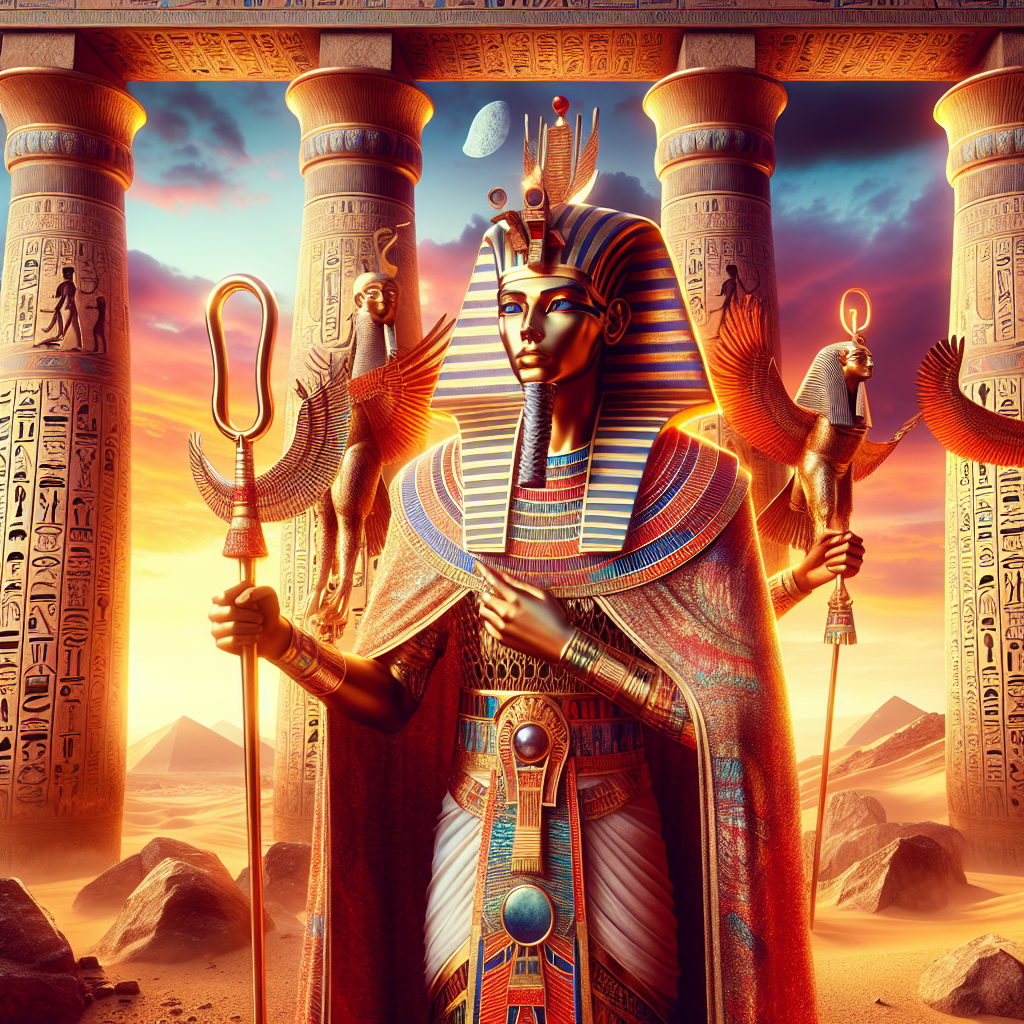
Pharaohs, the ancient rulers of Egypt, wielded immense power over their realms, functioning as both political leaders and religious figures. Central to their authority was the unique concept of divine kingship, a belief system that established the pharaoh not merely as a sovereign leader but as a living deity. This article explores how the image of the pharaoh as a divine being permeated Egyptian mythology, art, and culture, and how it solidified the foundations of one of history’s most enduring civilizations.
Theoretical Framework of Divine Kingship
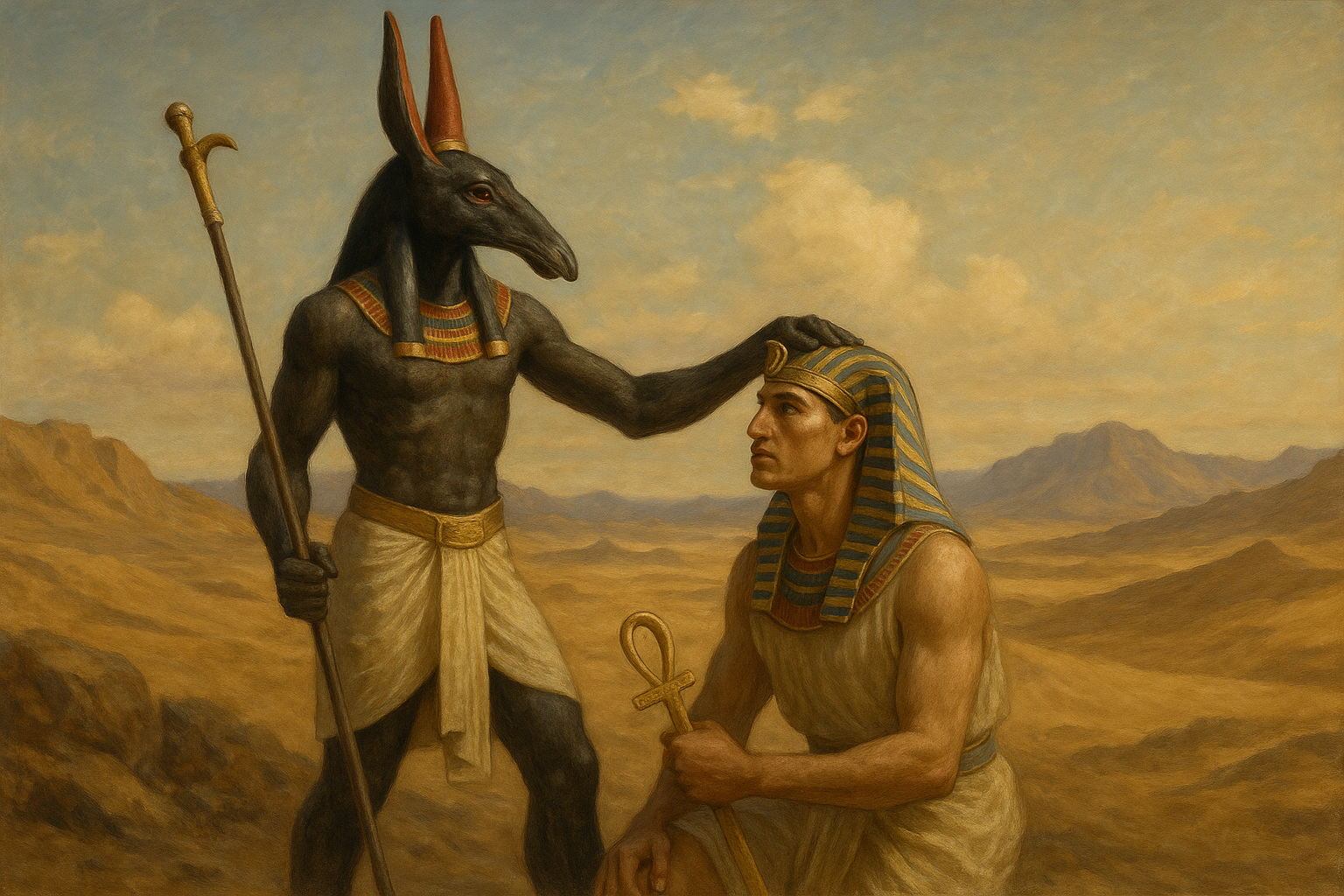
Divine kingship is a retrospective analysis by which the rulers of a society embody the traits, legacy, and narratives of the divine. In ancient Egypt, this was particularly pronounced. The pharaoh wasn’t just considered an immortal figure; he was the immediate son of the gods, often depicted as the embodiment of Horus, the falcon-headed god of the sky. This identification with Horus helped cement the pharaoh’s divine right to rule, as it linked his authority to the cosmic order maintained by the gods.
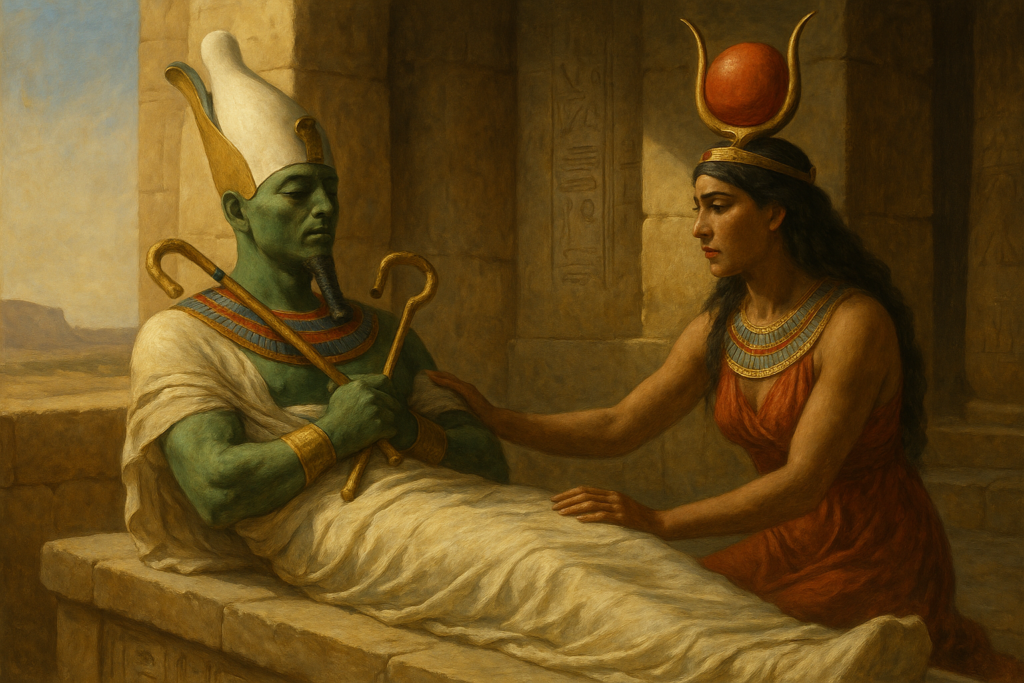
Upon the pharaoh’s death, it was believed he ascended to the heavens to join Osiris, the god of the afterlife and resurrection. This cyclical nature of life and death reinforced the pharaoh’s divine image, suggesting a continuity of rule beyond mere mortality. This association was reflected in various myths, accentuating the divine and sacred responsibilities bestowed upon the pharaoh.
Mythological Narratives
Numerous myths illustrate the divine nature of the pharaoh. One of the most poignant tales is that of the “Myth of Osiris.” Following the god Osiris’s death at the hands of his brother Seth, myth narrates how Osiris was resurrected by his wife, Isis. This tale mirrors the pharaoh’s own death and rebirth—pharaohs were often likened to Osiris, emphasizing their connection to regeneration, agriculture, and the Nile’s cyclical flooding, which fertility and life depended upon.
Additionally, the tale of the “Descent of Inanna” has parallels in Egyptian mythology, echoing the themes of resurrection, desire, and the balance of life and death. The continuance of order in the universe was thought to hinge upon the harmony between the pharaoh’s divine actions and the will of the gods.
Artistic Representations
Art played a crucial role in conveying the image of the pharaoh as a divine entity. From monumental architectures like the pyramids to intricate carvings and tomb paintings, Egyptian art was imbued with symbolic meanings designed to reinforce the divine kingship ideology. Pharaohs were frequently portrayed in a stylized manner to emphasize their otherworldly stature. The ankh, a symbol of life, and the sistrum, a musical instrument associated with the goddess Hathor, were common motifs in representations of the pharaoh. Such artifacts communicated his divine authority as the mediator between the gods and the people.
Notably, the “Narmer Palette,” an artifact dating back to the early dynastic period, depicts King Narmer in a divine light by showcasing him vanquishing his enemies. This artistic choice outlined the role of the pharaoh in maintaining ma’at—the ancient Egyptian concept of truth, balance, and cosmic order—against chaos represented by the subdued enemies. The portrayal of the pharaoh in a divine and victorious state reinforced his sacred authority and reinforced the narrative of divine kingship.
Rituals and Public Perception
The life of a pharaoh was steeped in rituals designed to enhance their image as a divine ruler. Coronation ceremonies were pivotal, involving intricate rites that emphasized the divine connection, such as the donning of the crowns of Upper and Lower Egypt. Such rituals emphasized the unification of the kingdom and invoked blessings from the gods, solidifying the pharaoh’s place as a bridge between the divine and human worlds.
Furthermore, public festivals played a crucial role in shaping perceptions of divine kingship. The Sed festival, which celebrated the continuation of royal authority, showcased the pharaoh’s physical prowess and ability to maintain order in the cosmos. During these events, the pharaoh would perform rituals that reenacted his divine heritage and reasserted his right to rule. These ceremonial practices reinforced the centrality of the pharaoh in both the spiritual and temporal realms, as his actions resonated with the natural order of the universe.
The Afterlife and Divine Kingship
The conception of the afterlife was profoundly intertwined with the notion of divine kingship. Egyptians believed that the pharaoh continued to influence and govern the living even after death. Grand tombs, such as the pyramids, were constructed to ensure a safe passage into the afterlife and served as a testament to the god-like status of the pharaoh. The rituals dedicated to the dead pharaoh were critical for his journey into the afterlife, ensuring his power and authority persisted beyond physical death.
The famous “Book of the Dead” encapsulates this ideology, serving as a guide for the deceased pharaoh. It contained spells and incantations that aimed to protect the pharaoh, ensuring his divine judgment occurred favorably. This attention to the afterlife reconfirmed the cycle of life, death, and rebirth, central in affirming the divine nature of the pharaoh.
Conclusion: Enduring Legacy
The image of the pharaoh as a divine ruler is a cornerstone of ancient Egyptian civilization, reflecting intricate beliefs tied to governance, mythology, art, and society. Divine kingship was not merely a function of power; it was an embodiment of cultural values that defined the Egyptian worldview. Although the political structures of ancient Egypt eventually dissolved, the legacy of the divine pharaoh endures, informing modern perceptions of leadership, authority, and spirituality.
In exploring the pharaoh’s divine kingship, one gains an understanding of the profound ways in which mythology can shape societal structures. The narrative of the pharaoh serves as a fascinating example of how symbols, beliefs, and practices can coalesce to form one of history’s most formidable images of power, still resonant in contemporary discourses surrounding authority and governance.