The Myth of the Apocalypse: Ending Cycles in Egyptian Thinking
The concept of apocalypse often conjures images of catastrophic endings, be it in literature, film, or philosophy. However, looking into ancient cultures, particularly the rich tapestry of Egyptian thought, reveals a far more nuanced understanding of endings and cycles. The Egyptians had a unique approach to endings that transcended mere doom. Rather than viewing apocalypse as the end of everything, they perceived it as an essential part of an endless cycle of regeneration, rebirth, and renewal.
The Nature of Time in Egyptian Cosmology
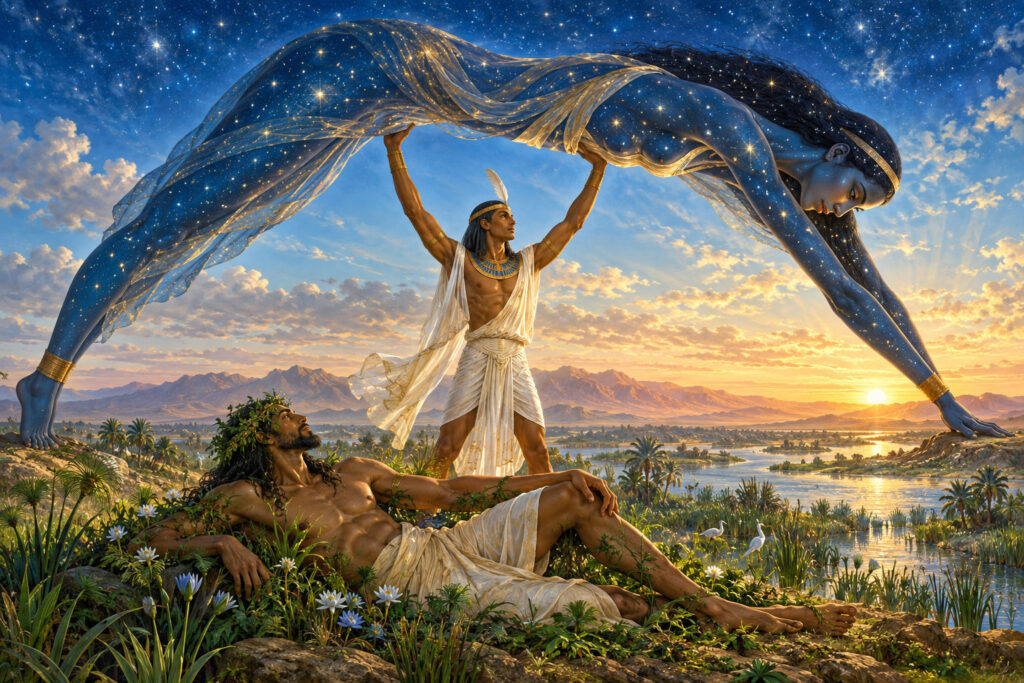
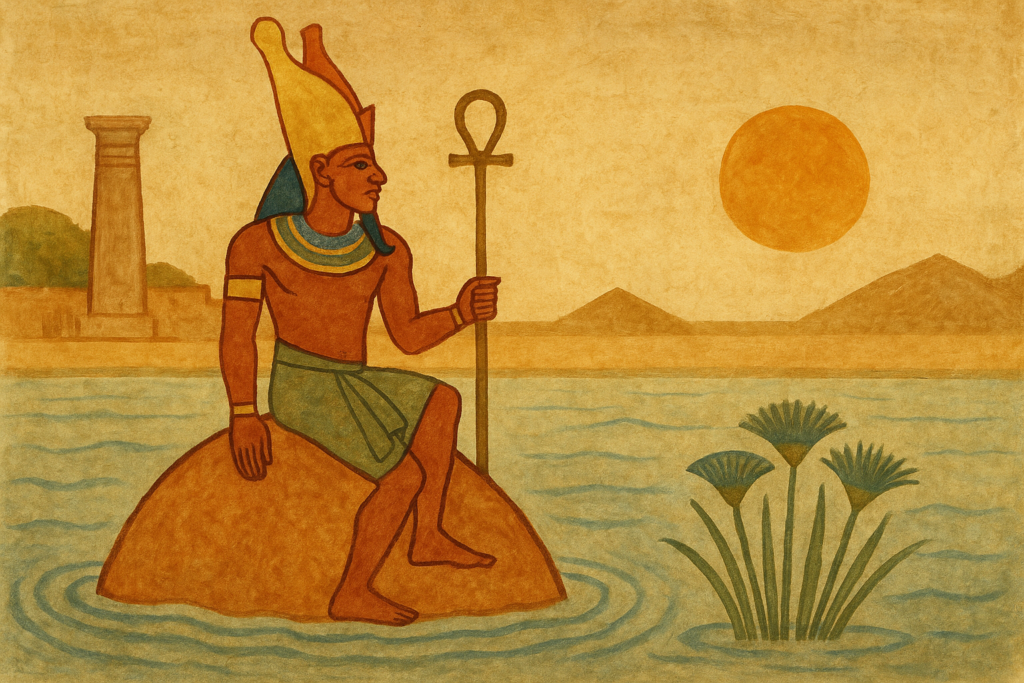
To grasp the Egyptian viewpoint on cycles and endings, one must first comprehend their understanding of time, which starkly differed from the linear concepts prevalent in many modern cultures. Egyptians thought of time as cyclical. Their mythology was replete with stories that echoed the cycle of life, death, and rebirth. This paradigm was significantly influenced by natural phenomena, particularly the annual flooding of the Nile—an event that brought life and fertility to the land but also washed away the old.
Time was not a straight line leading to a catastrophic end; rather, it was a circle, where endings gave way to new beginnings. The Egyptians believed that the universe underwent constant cycles, notably exemplified in the daily journey of the sun god, Ra, across the sky. Each night, Ra would face dangers in the underworld before being reborn at dawn, symbolizing the eternal cycle of death and rebirth.
Mythological Underpinnings
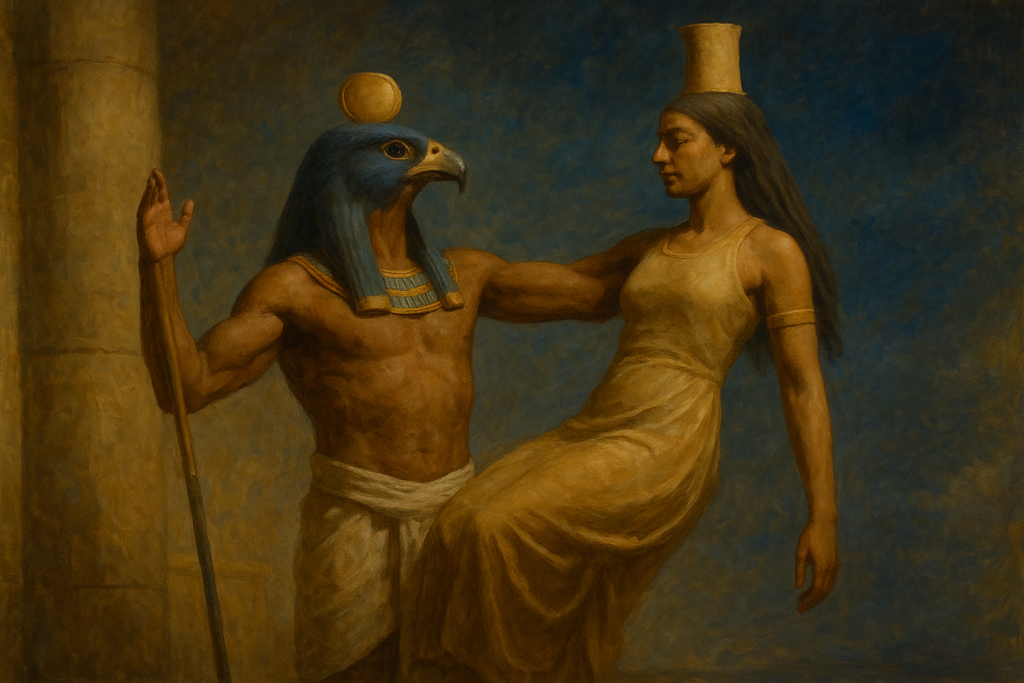
Central to Egyptian thinking about endings and rebirth is the myth of Osiris. Osiris, the god of the afterlife, resurrection, and agriculture, embodies the eternal cycle of life. According to mythology, Osiris was murdered by his brother Set, who represented chaos and disorder. However, Osiris did not merely meet a final demise; his wife, Isis, and their son, Horus, orchestrated his resurrection. This narrative reflects the idea that death is not the absolute end—it is a crucial part of a larger cycle of existence, culminating in renewal.
This myth extends into broader themes in Egyptian religious thought. The idea of the ‘ma’at’, representing truth, balance, and order, plays a pivotal role in maintaining harmony in the universe. The Egyptians believed that creating imbalance through chaos, much like Set, would disrupt the cycles of life. As such, death was neither feared nor seen as a finality; rather, it was an event to be embraced as part of the natural order.
The Role of the Afterlife
The Egyptians had a profound connection to the afterlife, which further illustrates their perspective on endings. The concept of an afterlife, exemplified in the “Book of the Dead,” provided individuals with a framework through which they could view mortality. Death was not something to be avoided; rather, it was a transformative experience leading to an existence beyond physical life.
The elaborate burial rituals, tomb constructions, and offerings were meant to ensure a safe passage to the afterlife. This elaborate burial culture demonstrates the Egyptians’ view that while life on earth ends, a new chapter begins in the afterlife. They had vivid imaginations regarding the realm of the dead, including the rich descriptions of paradise-like fields where the deceased could partake in eternal sustenance and joy.
Cycles of Nature and Society
The cyclical understanding of existence wasn’t limited to mythology and personal life; it resonated throughout ancient Egyptian society. Agriculture, a cornerstone of Egyptian civilization, was intricately linked to the perceived cycles of nature. The agricultural calendar dictated when to plant and harvest crops, dictated by the seasonal floods of the Nile. This connection to the cycles of nature informed not only their economy but also their philosophy; famine and abundance were seen as part of a larger cyclical order.
Moreover, this cyclical thinking influenced governance and leadership. Pharaohs were viewed as divine intermediaries who maintained order (ma’at) in both the living world and the afterlife. Their role was to preserve balance and ensure that the cycles of nature and society continued harmoniously. This ideology reinforced the belief that chaos, if allowed to take hold, could lead to societal collapse; thus, leadership was a perpetual and cyclical responsibility.
Symbols of Renewal
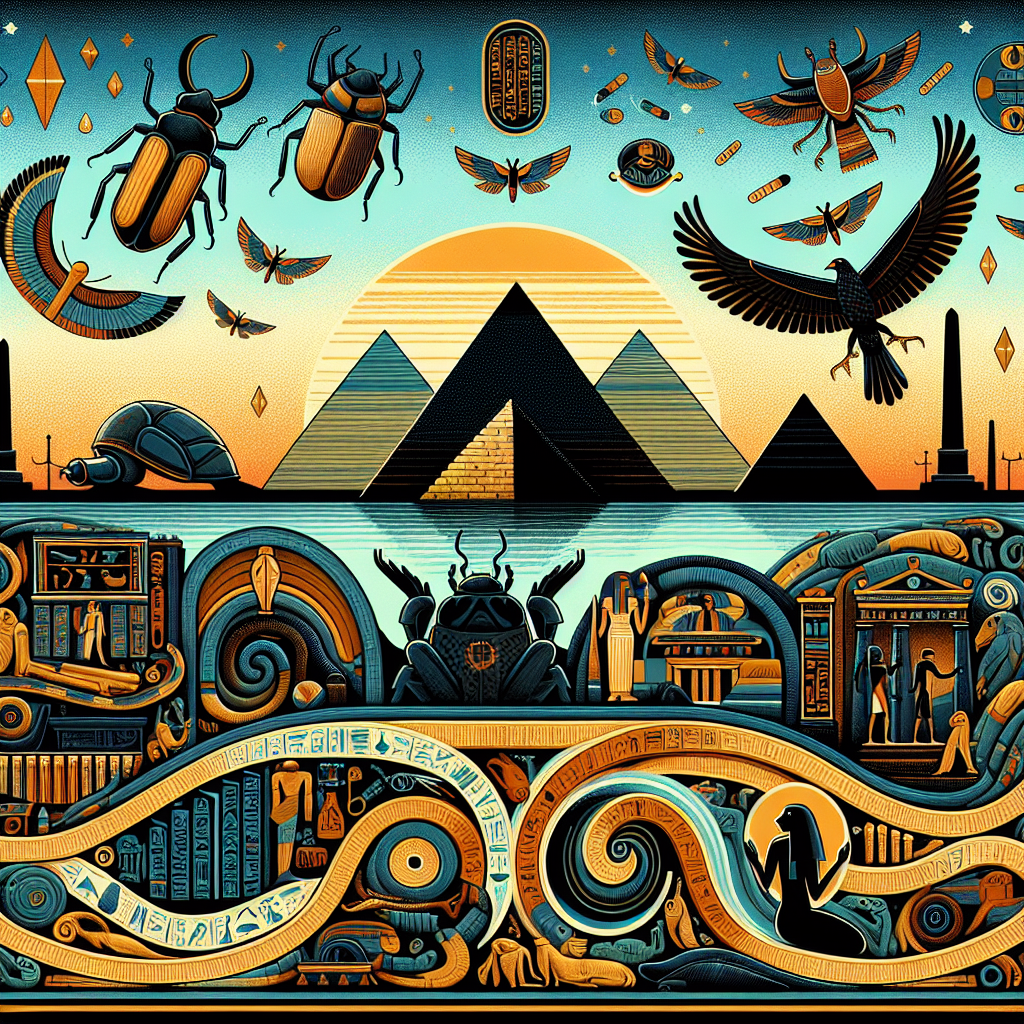
Various symbols within Egyptian culture also reflect the themes of renewal and cyclicality. The scarab beetle, for instance, was revered as a symbol of regeneration and transformation. The beetle’s observed behavior—rolling balls of dung—was likened to the sun’s journey across the sky and the cycles of life. Artifacts adorned with scarab symbols served as talismans for rebirth, emphasizing the importance of renewal.
Similarly, the ankh, the symbol of life, encapsulated the essence of existence in Egyptian thought. Its shape is often interpreted as representing the crossing of two planes—the physical and the spiritual—and serves as a reminder that life is an ongoing cycle rather than a single, finite event.
Conclusion: Towards a New Perspective
The Egyptian belief in the cyclical nature of existence challenges contemporary notions surrounding the idea of apocalypse, which often carries a sense of finality and despair. Instead, through the lens of Egyptian thinking, endings are but transitions within an ongoing continuum. The cyclical understanding of life, death, and rebirth enabled the Egyptians to navigate their existence with grace and resilience, transforming the prospect of endings into opportunities for renewal.
Today, as humanity grapples with its own existential crises, there is much to glean from the ancient Egyptian perspective on cycles. In a world often fixated on linear temporality, we can draw strength from recognizing that endings are simply part of an extensive narrative—a narrative that we share not only within our lifetimes but one that resonates through the ages. The Egyptian myth of the apocalypse teaches us that every end harbors the potential for a new beginning, a truth both profound and liberating. Through this lens, we can embrace endings, viewing them not as catastrophes but as vital transformations that contribute to the unfolding story of life.