The Meaning of Sacrifice in Roman Mythological Practices
Sacrifice has long been a cornerstone of various religious and mythological traditions, serving as a conduit for connecting the human realm with the divine. Within Roman mythology, sacrifice held profound significance, embodying the complexities of human-divine relationships and the prevailing societal values of the time. This article delves into the meaning of sacrifice in Roman mythological practices, exploring its types, purposes, and the cultural context surrounding these rituals.
Understanding Sacrifice in Roman Religion
In Roman religion, sacrifice (known as sacrificium) was not merely a ritual act but a sacred obligation, deeply embedded in the daily lives of Romans. It was seen as a means of maintaining the benevolence of the gods, ensuring societal stability, and fostering personal and communal relationships with the divine. The Romans believed that the gods required offerings, often in the form of animals, grains, or libations, to sustain their favor and avoid divine wrath.
The Types of Sacrifice
Several types of sacrifices were performed in ancient Rome, each with specific purposes and meanings:
-
Animal Sacrifices: The most common form of sacrifice involved offering animals—typically livestock like sheep, goats, and cattle. These sacrifices were often performed during public festivals or private ceremonies. The killing of an animal symbolized the dedication of life to the gods, recognizing that all life ultimately belonged to the divine.
-
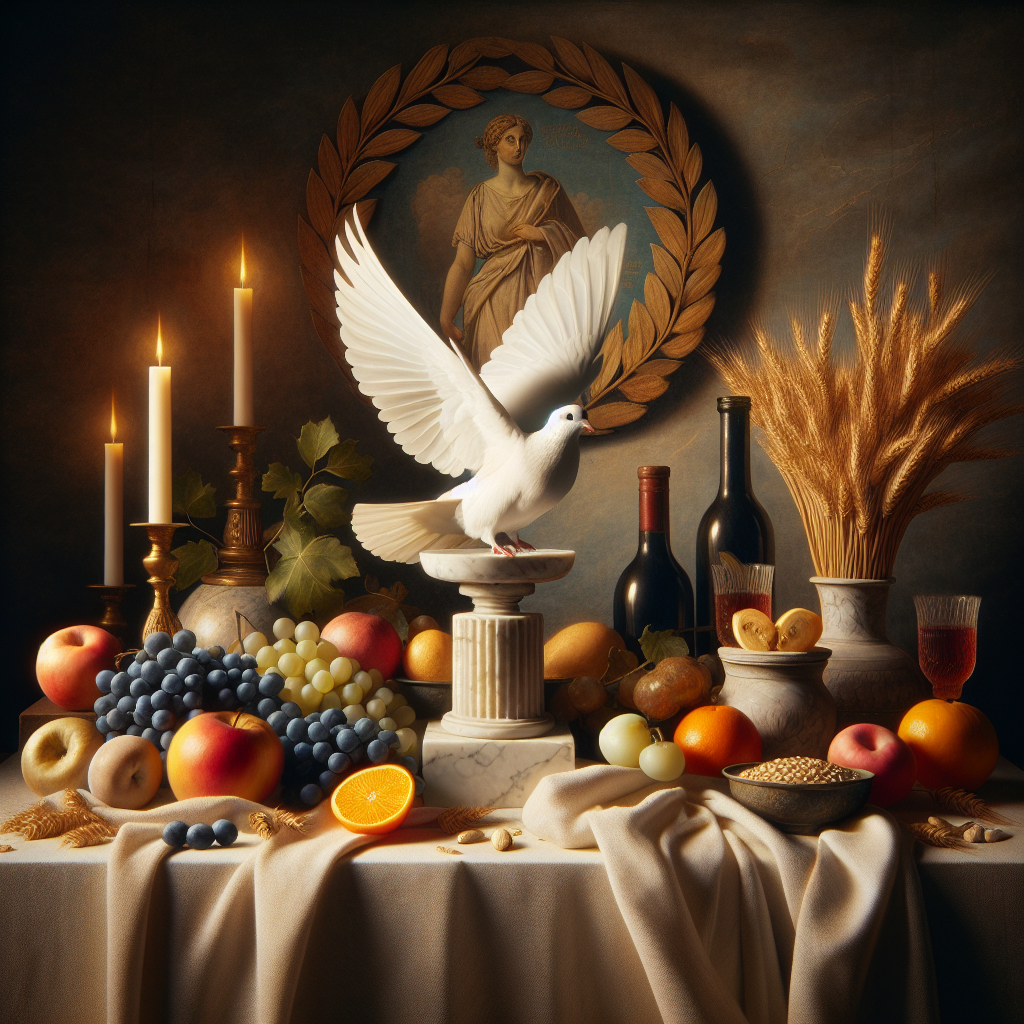
Offering of Food and Drink: Grain, wine, and other food items were frequently offered to the gods, particularly during religious feasts or rituals related to agriculture. These offerings signified gratitude and acknowledgment of the earth’s bounty, emphasizing the connection between divine favor and human sustenance.
-
Human Sacrifice: Although rare and often shrouded in controversy, human sacrifices did occur at certain pivotal moments in Roman history, particularly during crises or wars. These acts were seen as extreme measures to appease the gods, demonstrating the gravity of the situation.
-
Votive Offerings: Votive offerings were made in thanks for favors received. Individuals or communities would dedicate objects, such as statuettes or inscriptions, to the gods as a form of acknowledgment and gratitude.
The Purpose of Sacrificial Practices
The sacrificial rituals served multiple purposes, encompassing individual, communal, and political dimensions:
-
Appeasing the Gods: Central to the notion of sacrifice was the belief that the gods governed various aspects of life, including agriculture, war, and health. Sacrifices were made to appease these divine entities, particularly during times of need. This created a reciprocal relationship where offerings were believed to elicit favors or interventions from the gods.
-
Social Cohesion: Sacrificial practices provided a platform for communal gathering, reinforcing social bonds and collective identity. Public sacrifices often coincided with festivals, strengthening the ties between the community and the divine. Such gatherings fostered a sense of unity and shared purpose among the participants.
-
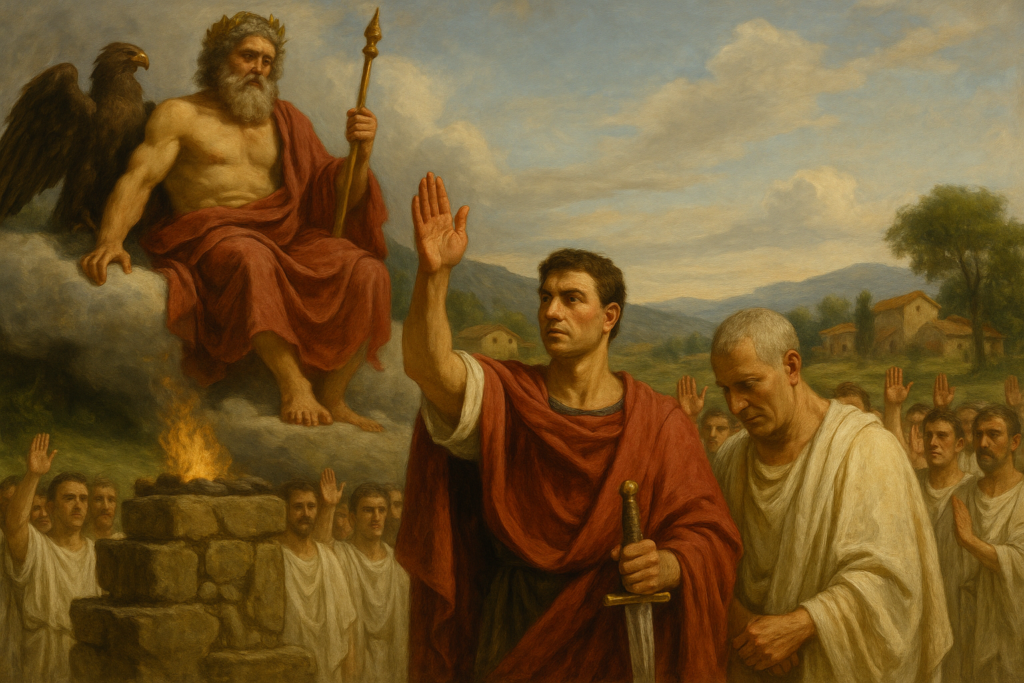
Political Legitimacy: Leaders and politicians utilized sacrificial rituals to legitimize their authority and sway public opinion. By performing sacrifices publicly, rulers demonstrated their piety and alignment with divine will. This act of devotion positioned them as intermediaries between the people and the gods, reinforcing their status and power.
-
Personal Redemption: Sacrifice also served as a means of personal atonement. Individuals who sought to rectify transgressions turned to offerings as a way to seek forgiveness and restore their standing with the divine. This aspect highlights the personal dimension of sacrificial practices, where individuals grappled with morality and accountability.
The Cultural Context of Sacrifice
The Roman approach to sacrifice was deeply influenced by its values and societal structure. Key cultural elements shaped the ritual practices:
-
Tradition and Ritual: Roman religion was highly ritualistic, adhering to established protocols and rites. The proper execution of sacrifices was paramount; any deviation could lead to the gods’ displeasure. This emphasis on tradition underscores the importance of structure and discipline in Roman societal values.
-
Augury and Divination: Romans often sought guidance from augurs—priests who interpreted the will of the gods by observing omens. The messages gleaned from these observations directed the timing and type of sacrifices performed, emphasizing the interconnectedness of divination and sacrificial practices.
-
Religious Pluralism: Rome’s expansion and conquests led to the incorporation of diverse beliefs, resulting in a syncretic approach to religion. Sacrificial practices often blended with local customs, reflecting a dynamic interplay of traditions and the adaptability of Roman religious practices.
The Decline of Sacrificial Practices
As Rome transitioned into the later phases of its history, particularly with the rise of Christianity, traditional sacrificial practices began to wane. The new faith emphasized spiritual communion over physical offerings, leading to a re-evaluation of sacrifice’s role in worship. This transformation marked a significant cultural shift, with the ritualistic sacrifice losing prominence in favor of more introspective spiritual expressions.
Conclusion
Sacrifice in Roman mythological practices was a multifaceted phenomenon, encapsulating beliefs, traditions, and societal values. It served as a vital link between humans and the divine, grounding both personal and communal experiences in shared rituals. By understanding the nuances and significance of sacrifice, we can appreciate the complexities of Roman religion and its lasting impact on subsequent cultural and religious developments. As both a sacred duty and a reflection of societal values, sacrifice was integral to the Roman worldview, influencing not just their spirituality but the very fabric of Roman life.