The Legacy of Viking Religion: Norse Myths in Transition
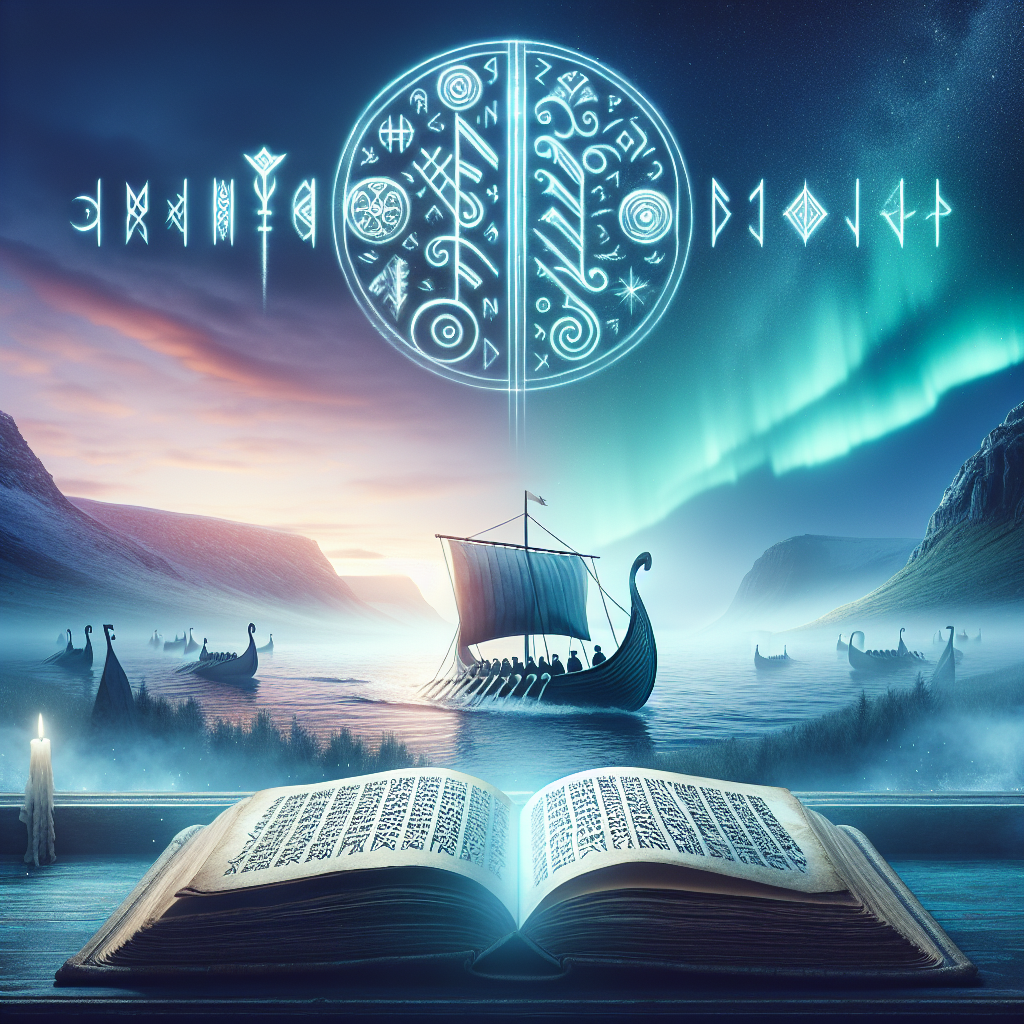
The Viking Age, which spanned from the late eighth century to the early eleventh century, marked a significant chapter in European history, driven by a unique culture that valued exploration, trade, and impressive maritime skills. At the heart of Viking society lay a rich tapestry of beliefs and customs, encapsulated through the lens of Norse mythology. While the Vikings are often associated with marauding and conquest, their religious beliefs reveal a complex and evolving understanding of the universe, one that has left an indelible mark on modern culture and spirituality.
The Foundations of Norse Mythology
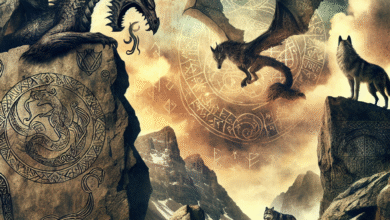
Norse mythology is replete with tales of gods, goddesses, giants, and various beings who populate an intricate cosmology. Central to this mythology are the texts known as the Poetic Edda and the Prose Edda, compiled in the 13th century but reflecting a far older oral tradition. Key figures like Odin, the Allfather; Thor, the god of thunder; and Freyja, the goddess of love and fertility, symbolize various facets of life and death, nature and humanity.
The Norse cosmos is divided into nine realms, including Asgard (home of the gods), Midgard (Earth), and Hel (realm of the dead), interconnected by the World Tree, Yggdrasil. Underneath its surface lies a unique understanding of fate and destiny, epitomized in the concept of “wyrd,” which denotes the intertwining of past, present, and future. Life’s unpredictability often prompted the Vikings to seek favor from their gods through rituals and sacrifices, empowering an ongoing connection to their divine patrons.
The Role of Religion in Viking Society
Religion in Viking culture was not merely a reflection of personal belief but a community-oriented framework guiding daily life and social interaction. Rituals often coincided with agricultural cycles, seasonal changes, and significant events like weddings and funerals. These rites helped reinforce social hierarchy and communal bonds, turning sacred activities into collective experiences. Moreover, the oral tradition encouraged participation and engagement, making religion a dynamic aspect of Viking identity.
Sacrifices, known as “blóts,” were conducted to appease the gods and ensure prosperity, often involving theatrical elements, feasting, and the sharing of communal spirit. Idols and images of gods were prevalent in the Vikings’ homes, serving as household guardians while public shrines affirmed their spirituality on a communal level.
Influence of the Christianization Process
The Viking Age was marked by the gradual transition from paganism to Christianity, a shift that would decode their myths, reshape their understanding of the universe, and challenge their religious practices. The invasions of the British Isles and the establishment of settlements in territories like Normandy brought Vikings into contact with Christian communities. The conversion process often involved political motivations; for instance, leaders adopted Christianity to solidify their power, secure alliances, or foster trade.
As Christianity took root, Norse mythology began to morph under new ideological influences. The attributes of Viking gods were reframed in a Christian context. Stories of Ragnarok, the cataclysmic end of times in Norse belief, were interpreted symbolically, and the inevitable downfall of their pantheon was viewed through the lens of the Christian apocalypse. The blending of beliefs created a syncretic culture where old and new coexisted, transforming traditional narratives into a more palatable form for a Christian audience.
The Enduring Legacy of Norse Myths
Although the Viking Age waned, the legacy of Norse religion and mythology didn’t fade away. Its influence permeates modern culture, art, and literature. From J.R.R. Tolkien’s “The Lord of the Rings” to the Marvel Cinematic Universe’s portrayal of Thor, these ancient stories continue to resonate, eliciting fascination and engagement with myths that speak to universal human experiences.
Scholars and enthusiasts of contemporary paganism have revived aspects of Norse beliefs, reinterpreting ancient rituals, and rekindling interest in the gods and goddesses that once dominated the Viking psyche. The movement known as Ásatrú seeks to reconstruct the old ways while adapting them for modern contexts, exemplifying how Norse mythology continues to evolve.
Furthermore, the motifs of exploration, courage, and an acceptance of fate still resonate today, embodied in various literary narratives, films, and even in the ethos of adventure sports. The Viking spirit, characterized by resilience and adaptability, inspires people across cultures as they navigate life’s uncertainties.
Conclusion: A Tapestry of Transition
The legacy of Viking religion embodies the transition of a rich belief system from the depths of ancient paganism to its integration into the Christian fabric of Europe. The myths of the Norse gods serve as a reminder of humanity’s quest to understand the cosmos, confront mortality, and assert identity amid change.
These stories, passed through generations and woven into the cultural fabric of modern society, demonstrate the enduring appeal of Norse mythology. The Viking Age may have concluded, but its legacy continues to shape narratives that explore human nature and the eternal themes of life, death, and the unknown. As we engage with these stories, we honor a past that remains vibrantly alive, illustrating our timeless fascination with the myths that connect us to our ancestors and to each other.