The Story of Tefnut: Goddess of Moisture and Rain

The Story of Tefnut: Goddess of Moisture and Rain
Tefnut, one of the ancient Egyptian deities, embodies two essential aspects of life: moisture and rain. As both a goddess and a personification of atmospheric elements, Tefnut played a crucial role in the ancient Egyptian understanding of the natural world and the divine forces that governed it. This article explores Tefnut’s origins, her significance within the Egyptian pantheon, her myths and symbols, and her enduring influence on culture and spirituality.
Origins and Family
Tefnut’s origins are intricately woven into the creation myths of ancient Egypt. She is often depicted as a lioness, symbolizing both her fierce nature and her role as a nurturing figure. Tefnut is the daughter of the primal deities Atum or Ra, who brought the universe into existence. According to creation myths, Atum created Tefnut and her brother, Shu, the god of air, through an act of self-creation, often imagined as spitting or sneezing. This act birthed a divine pair—Shu and Tefnut, who would later go on to represent essential forces of life.
Tefnut’s relationship with her brother Shu is significant; together, they would become the progenitors of the Nut (the sky) and Geb (the earth). This divine family structure is fundamental to the ancient Egyptian view of cosmology, where balance and harmony among natural elements were essential for the sustenance of life.
Symbolism and Representation
In ancient Egyptian art, Tefnut is often depicted as a lioness or a woman with the head of a lioness, illustrating her fierce protection of the inundation and fertility of the land. She is frequently shown holding a sistrum (a musical instrument associated with fertility and joy) and sometimes depicted with a solar disk atop her head. This imagery demonstrates her dual nature as both a nurturing and protective deity.
Tefnut’s primary symbols—moisture and rain—tied her deeply to the annual flooding of the Nile River, an event considered vital for agriculture and sustenance in ancient Egypt. The inundation brought rich silt that fertilized the fields, ensuring bountiful harvests. Hence, Tefnut was revered as a giver of life and sustenance, critical for the agricultural cycle that formed the foundation of ancient Egyptian society.
Mythology and Stories
Several myths center around Tefnut and her adventures, illustrating her importance within the pantheon. One of the most notable stories involves her temporary disappearance, which caused a great calamity in the land. According to the myth, Tefnut and Shu became separated from their father, Atum, after venturing into the chaotic waters of Nun (the primordial water). In her absence, the world fell into drought and despair, illustrating how vital Tefnut’s presence was for life itself.
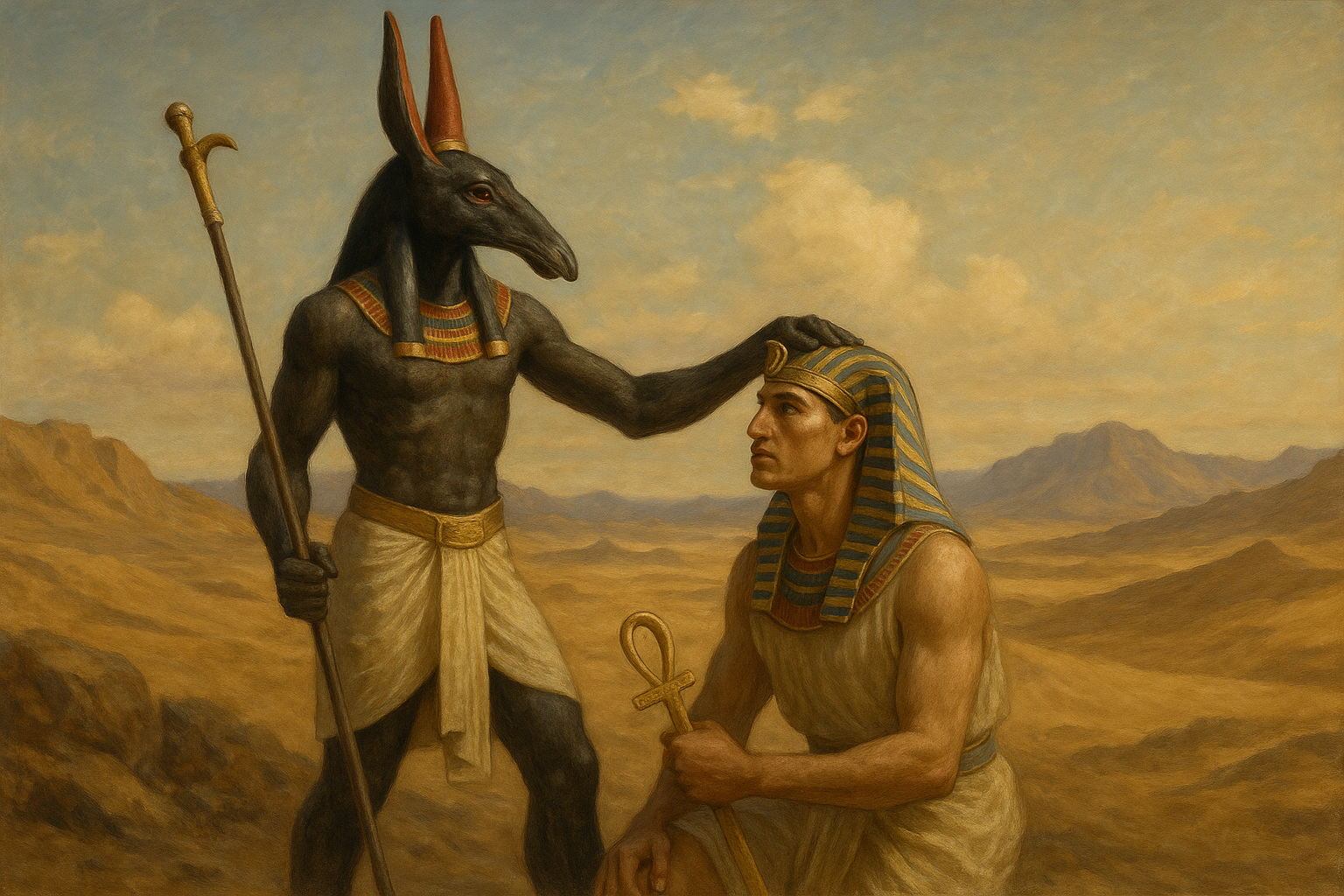
To bring Tefnut back, Atum sent messengers, including the goddess Hathor and the god Anubis. Eventually, Tefnut was found in the land of Punt, a mythical region symbolizing abundance and wealth, where she was reunited with Shu. This myth highlights themes of balance and reconciliation between chaos and order, as well as the vital interdependence between different elements of nature.
Tefnut also features prominently in the creation of humanity. In some versions of the myth, she and Shu are said to have spun the first humans from the moisture of the Nile, thus linking Tefnut directly to the very act of creation and the nurturing of life. This connection endowed her with a nurturing yet fierce aspect, showcasing the delicate balance between sustenance and the destructive potential of nature.
Worship and Cult
Worship of Tefnut was particularly prominent in the city of Heliopolis, the center of creation mythology in ancient Egypt. Here, she was associated closely with the sun god Ra, and her worship was intertwined with the beliefs surrounding the daily cycle of the sun and its impact on the natural world.
Temples dedicated to Tefnut were places of reverence, where rituals and offerings took place to ensure the favor of the goddess. Cult practices often included prayers for rain and fertility in the agricultural calendar, reflecting her role as a force essential for the survival of the people.
Tefnut’s duality as both moisture bringer and fierce protector of the inundation made her worship not only a matter of daily life but also a crucial factor in the spiritual landscape of ancient Egyptians. The festival of the inundation celebrated her return, symbolizing hope and the restoration of harmony in nature.
Legacy and Influence
While Tefnut’s direct worship declined after the fall of the ancient Egyptian civilization, her legacy continued in various forms. The stories of her power and influence can still be seen in the cultural tapestry of later religions and philosophies that emphasize nature and the elements. Modern interpretations of Tefnut’s attributes have emerged in various spiritual practices and New Age beliefs, where she symbolizes the nurturing aspects of water and the necessity of balance in the natural world.
Many today still draw inspiration from Tefnut’s characterization as a goddess of moisture and rain, revering her for the life-giving forces she represents. As global concerns about climate change and water scarcity become more pressing, understanding the ancient reverence for such deities can serve as a reminder of our connection to the natural world and the vital importance of the resources it provides.
Conclusion
The story of Tefnut transcends time, reminding us of the delicate interplay between life, nature, and human existence. Through her myths and symbols, Tefnut illustrates the necessity of moisture and rain, the balance between chaos and order, and the nurturing of life. As both a fierce and tender goddess, Tefnut remains a powerful example of the ancient Egyptians’ respect for the forces of nature, which continue to resonate in our modern understanding of the world and its cycles. Embracing the essence of Tefnut can help foster a deeper appreciation for the elements that sustain us and a commitment to protecting our environment for future generations.