The Underworld: Exploring the Concept of the Afterlife
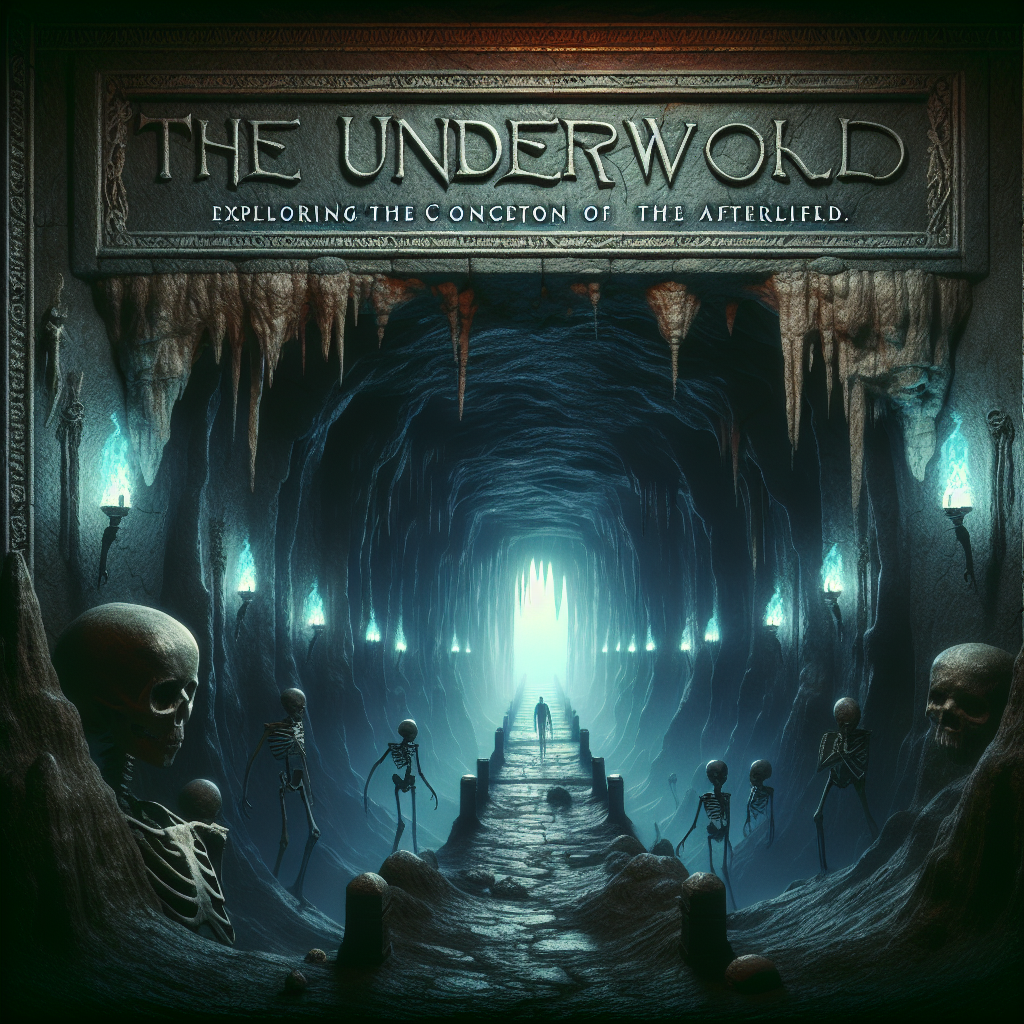
The concept of the Underworld has fascinated humanity for millennia, serving as a backdrop for myths, religions, and philosophical inquiries regarding what lies beyond death. The inexorable mystery of what happens after we breathe our last breath has prompted countless narratives across cultures and epochs. This exploration delves into the multifaceted depictions of the Underworld, examining its significance in various traditions, the psychological implications, and the enduring symbols associated with the afterlife.
Historical Overview
Ancient Civilizations
The Underworld is a central theme in many ancient cultures. In ancient Mesopotamia, the idea of the Underworld, known as “Irkalla,” was a dreary realm ruled by the goddess Ereshkigal. This place, devoid of light and hope, highlighted a rather pessimistic view of the afterlife, suggesting a bleak fate for souls.
Meanwhile, in ancient Egypt, the afterlife was viewed through a markedly different lens. The Egyptians believed in a harmonious afterlife characterized by the “Field of Reeds,” where the deceased could enjoy eternal bliss if their heart was lighter than the feather of Ma’at, the goddess of truth and justice. The elaborate rituals and mummification practices demonstrated the Egyptians’ desire to ensure safe passage to their Underworld, known as “Duat.”
Greco-Roman Interpretation
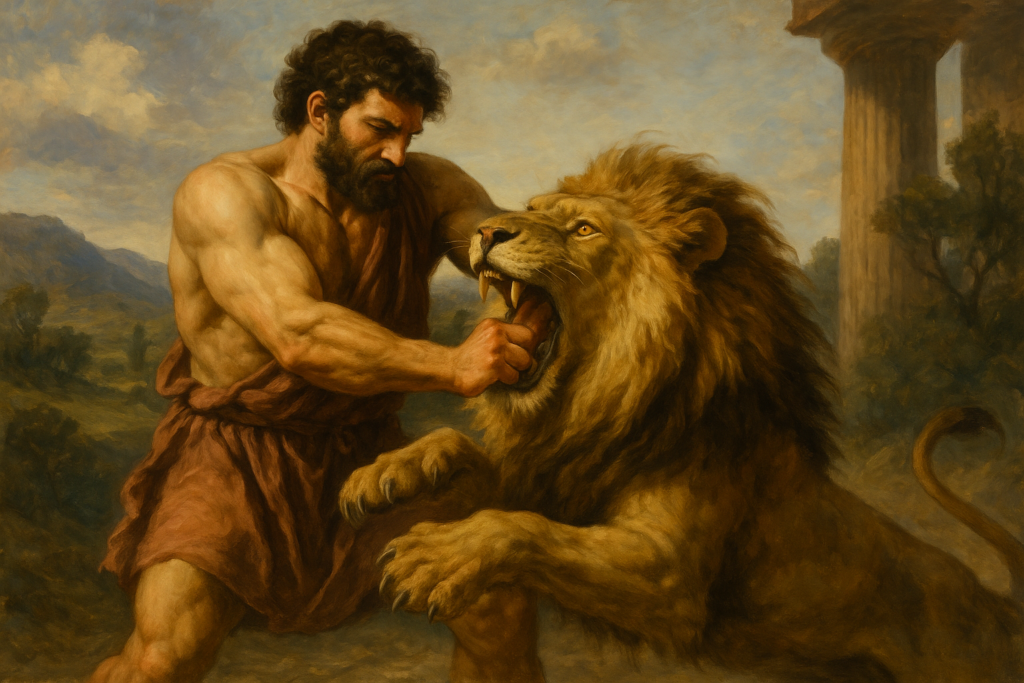
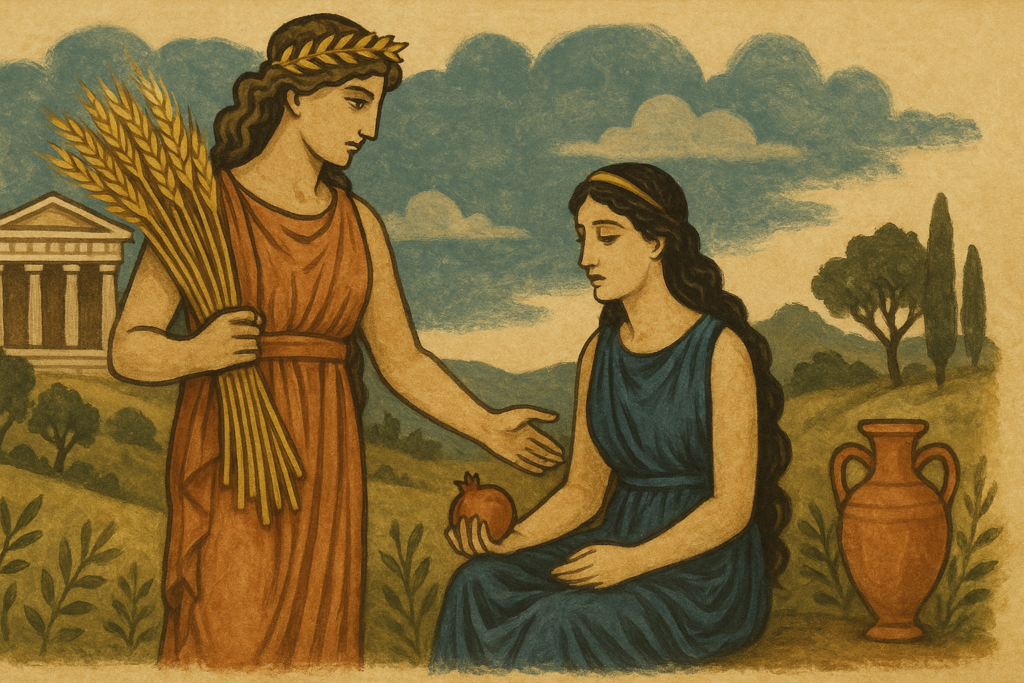
The Greeks and Romans had their own well-defined visions of the Underworld. The Greek Underworld, ruled by Hades, was a complex realm where souls faced various fates based on their earthly lives. It included places like the Elysian Fields—a paradise where the virtuous enjoyed eternal peace—and Tartarus, a pit of torment for the wretched. The Romans adopted and adapted these notions, referring to the Underworld as “Orcus.” They often emphasized the importance of remembrance rituals, as they believed the dead continued to exist in a shadowy form.
Eastern Perspectives
In Eastern philosophies, the concept of the Underworld often intertwines with ideas of reincarnation and karma. In Hinduism, the Underworld, or “Patala,” is part of a larger cycle of life, death, and rebirth. The ultimate goal is moksha, liberation from this cycle. Similarly, in Buddhism, the afterlife is not an end but a continuance of the cycle of samsara, where one’s actions dictate the circumstances of future existences.
Symbolism and Psychological Dimensions
Universal Themes
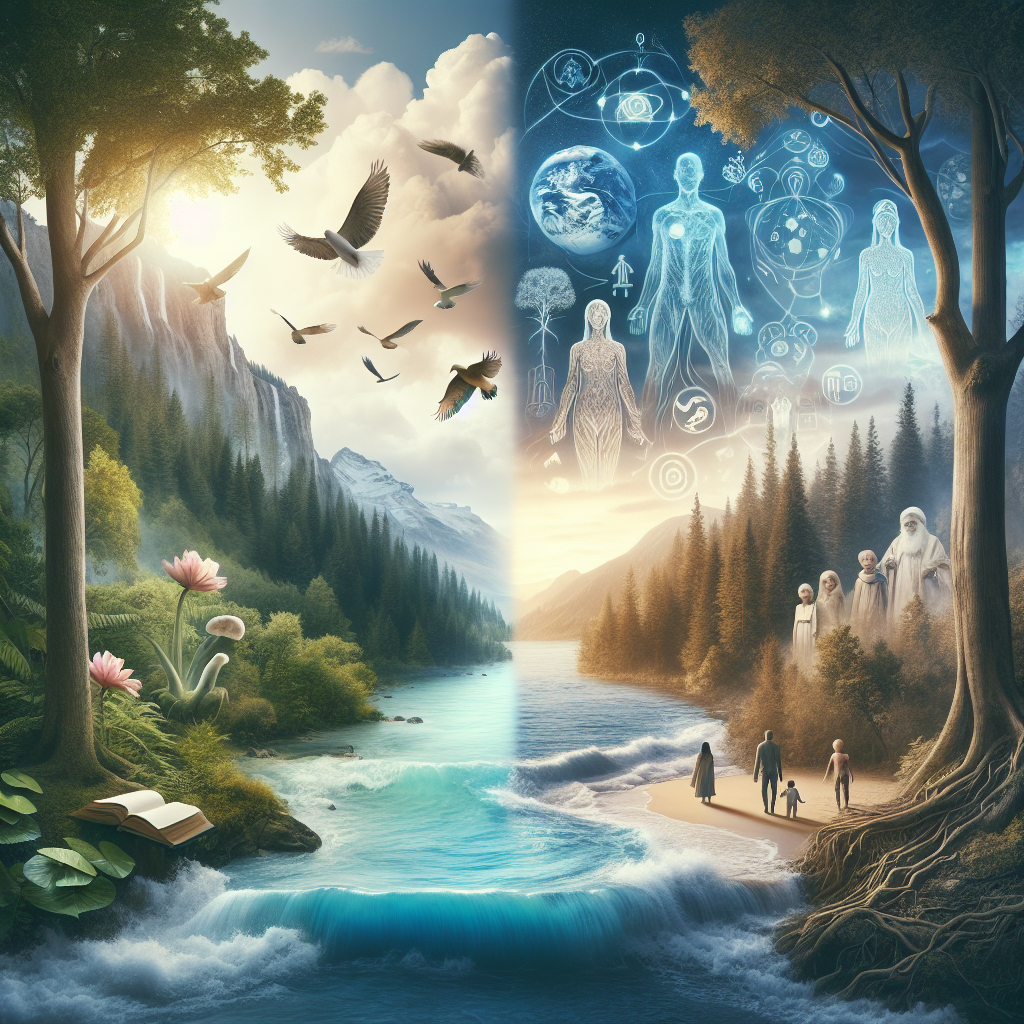
Across cultures, the Underworld symbolizes the interplay of light and darkness, life and death, and the mysteries of human existence. This duality manifests in numerous ways, often challenging individuals to confront their fears of mortality.
Psychologically, the concept of the Underworld can offer solace. The idea that death is not a definitive end, but rather a transition, can alleviate existential dread. Carl Jung, the influential psychologist, argued that the Underworld represents the unconscious mind—a reservoir of thoughts, fears, and desires. In this sense, the Underworld serves as a mirror, reflecting humanity’s innermost struggles and aspirations.
The Quest for Meaning
The Underworld can also represent humanity’s quest for meaning, urging individuals to ponder their lives and choices. The narratives surrounding the Underworld often serve as moral tales, encouraging ethical behavior. The classic myth of Orpheus and Eurydice, for instance, illustrates the power of love and the consequences of failing to heed the limitations of mortality.
Modern Interpretations
Literature and Art
In modern literature and art, the Underworld is still a prevalent theme, often symbolizing the journey of self-discovery or transformation. In Dante Alighieri’s “Inferno,” the exploration of Hell serves as an allegory for spiritual awakening and redemption. Similarly, the Underworld in contemporary narratives often reflects societal anxieties about mortality, identity, and the afterlife.
Psychological Perspectives
In contemporary psychology, the Underworld is often explored in therapeutic contexts, particularly in dream analysis and existential therapy. Dreams of descent into the Underworld can signify an encounter with repressed emotions or unresolved issues. Such experiences encourage individuals to confront their fears, leading to personal growth and healing.
Cultural Variations
Mythological Diversity
The diversity in interpretations of the Underworld is vast. In Norse mythology, for instance, the concept of “Hel” represents a more neutral realm, where those who did not die in battle reside. It starkly contrasts with Christian notions of Heaven and Hell, which often emphasize eternal judgment based on moral conduct.
Similarly, indigenous cultures across the globe have unique perspectives on the afterlife. In many Native American beliefs, the afterlife is viewed as a continuation of earthly experiences, with ancestors taking an active role in guiding their descendants.
Contemporary Beliefs
In modern spirituality, there is a growing interest in concepts like reincarnation, influenced by Eastern spiritual traditions. The belief in an energetic afterlife—often characterized by projections of light and love—is becoming increasingly prevalent, reflecting a shift from fear-based interpretations toward more positive and affirming views of existence post-death.
Conclusion
The Underworld remains a compelling aspect of human culture, sparking curiosity and contemplation about life, death, and what lies beyond. Whether depicted as a realm of suffering or a sanctuary of peace, the Underworld serves as a powerful metaphor for the struggles and aspirations inherent in the human experience. As we continue to grapple with the ultimate questions of existence, the narratives surrounding the Underworld will undoubtedly evolve, mirroring our changing beliefs about life, death, and the possibility of an afterlife. In this exploration, we find not only reflections of our fears but also the enduring hope that there is something greater beyond the veil of mortality.
Recommended reading
These are affiliate links. If you buy through them, we may earn a commission at no extra cost to you.
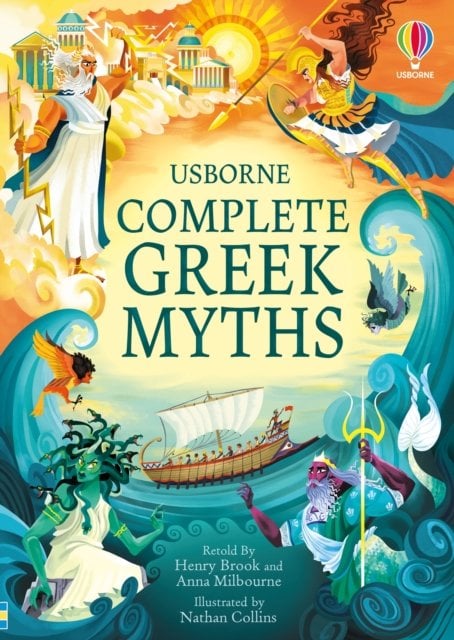
Complete Greek Myths: An Illustrated Book of Greek Myths
Featuring detailed retellings, beautiful character illustrations, and cultural background, this comprehensive volume brings the best-known and obscure Greek myths to life for readers of all ages. Complete with maps, a glossary, and a QR code for pronunciation guides and extra resources, it is an essential addition to any family bookshelf.
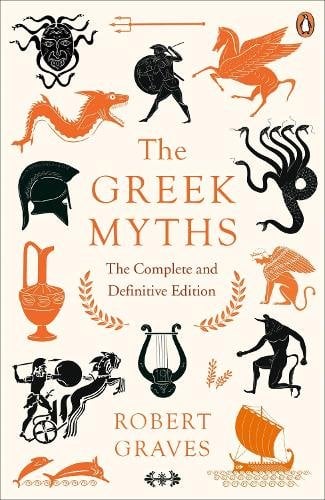
The Greek Myths: The Complete and Definitive Edition
Robert Graves’s definitive edition weaves the classic Greek myths, from the Labours of Hercules to the Trojan War, into one sweeping, authoritative narrative. Perfect for both first-time readers and classicists, this comprehensive volume combines engaging storytelling with detailed scholarly commentary and a complete index of names.
The Odyssey
Homer’s timeless epic The Odyssey follows the hero Odysseus on a perilous decade-long journey home from Troy, facing mythical monsters and divine wrath. Meanwhile, his wife Penelope and son Telemachus defend their kingdom against ruthless suitors in this classic tale of loyalty and endurance.