
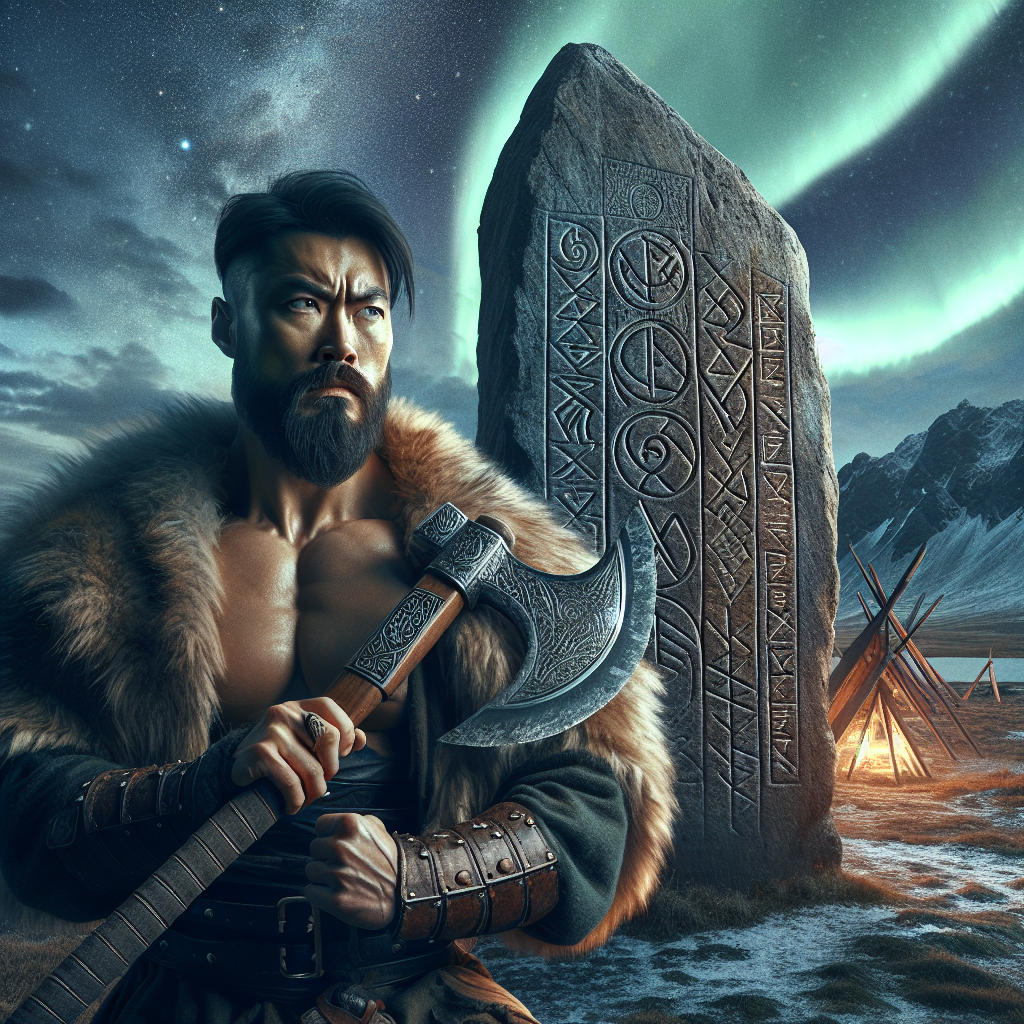
Norse legends, rich in mythology and steeped in ancient tradition, are a fascinating reflection of the values and beliefs of the Viking Age. At the core of these narratives lie two vital concepts: honor and valor. The portrayal of these attributes in Norse legends not only illuminates the culture of the people who created them but also offers timeless lessons that resonate to this day.
The Cultural Context
The Norse people, who lived in Scandinavia from around the late eighth century to the early eleventh century, had a complex set of beliefs that governed their lives. Their society was warrior-oriented, placing a premium on qualities such as bravery, loyalty, and honor. The ideas of fate and the afterlife were also central, with concepts such as Valhalla representing a glorious afterlife for those who died valiantly in battle.
Honor was deeply intertwined with reputation. For the Norse, a person’s worth was often defined by their deeds—both in battle and in everyday life. A warrior’s reputation could be as important as their prowess; acts of cowardice could lead to shame not just for the individual but for their family and clan as well. This creates a community in which valor becomes a shared value, holding the fabric of society together.
Valor in the Face of Adversity
The concept of valor is most eloquently portrayed through the actions of the heroes in Norse legends. Characters like Sigurd from the “Völsunga saga” and Beowulf—though not strictly Norse, the tale permeated Norse culture—embody the ideal warrior. Sigurd’s courage in slaying the dragon Fafnir and Beowulf’s battles against Grendel and later Grendel’s mother illustrate the deadly stakes of warfare. These heroes face not only physical adversaries but also existential challenges, representing the struggle against fate, the unknown, and inevitability.
Valor is often depicted as a response to inevitable doom. In tales such as “The Saga of the Volsungs”, the heroes seem aware of their fates. Yet, they face them with unmatched bravery. This defiance in the face of death resonates with the Viking belief that valorous deeds could alter one’s fate, or at least grant them a glorious death worthy of songs. The desire for such a death is encapsulated in the phrase “dying with honor,” which carries immense weight in Norse tales.
Honor Among Warriors
Honor is also closely tied to loyalty and kinship, which features prominently in Norse legends. The bond between brothers and comrades in arms reflects the importance of loyalty as a component of honor. Examples abound, such as the friendship between Sigurd and Gunnar, whose fates are intertwined by loyalty and betrayal. Honor among warriors often demanded that one avenge the death of a comrade or live up to their legacy.
The Norse myths teach that honor cannot be taken lightly; it requires actions that often involve severe choices. The tale of the “Nibelungenlied”, which although German in origin, influenced Norse culture, features the role of revenge and honor among kin. The struggle often begins with an honorable quest that spirals into a saga of blood feuds, emphasizing the belief that one’s actions are eternally binding—both good and ill.
The Orders of Valhalla
In Norse mythology, the ultimate reward for a warrior’s valor was a place in Valhalla, the hall of the slain. Here, those who died in battle would feast and fight until Ragnarok, the end of the world. This belief served as a powerful motivator for warriors to engage in valorous deeds. The idea of “dying with honor” and earning a seat at Odin’s table epitomizes the cultural significance of bravery.
Valhalla is not merely a utopia but symbolizes the reward of a life lived with purpose and courage. The warriors’ time there is a training ground for the final battle against the forces of chaos during Ragnarok, reinforcing the idea of preparation through honorable living and valorous action.
The Role of Women in Honor and Valor
While often celebrated as warriors, the narratives of Norse legends also include remarkable women who embody honor and valor. Figures like Freyja and Lagertha stand out as women who wield power and agency. Freyja, a goddess associated with love, war, and death, embodies a different yet equally compelling form of valor—one that transcends the battlefield.
Women in these legends often played critical roles in upholding their families’ honor, whether through their actions in conflicts or their wisdom and strategies. The legend of the shieldmaiden, a woman who would take up arms, was rooted in the exceptional honor attributed to those who could think and fight like men, illustrating the diverse ways valor manifested in Norse society.
Lessons for Today
The narratives surrounding honor and valor in Norse legends offer modern readers the opportunity to reflect on their own values. In a world that sometimes seems indifferent to individual valor or community honor, these ancient stories emphasize the timeless nature of these ideals.
Honor and valor compel us to act courageously in the face of challenges, to maintain loyalty to our families and friends, and to confront moral dilemmas with integrity. They remind us that our actions bear weight and that striving for a life lived honorably can create ripples of inspiration.
In conclusion, the importance of honor and valor in Norse legends serves as not just a cultural reflection of an ancient society but a universal narrative. These stories highlight the necessity of facing our destinies, supporting our kin, and living by the principles we hold dear. Through the lens of Norse mythology, we gain insight into our own struggles and aspirations, finding guidance in the echoes of ancient wisdom.


