The Cultural Relevance of Myths in Ancient Greek Festivals
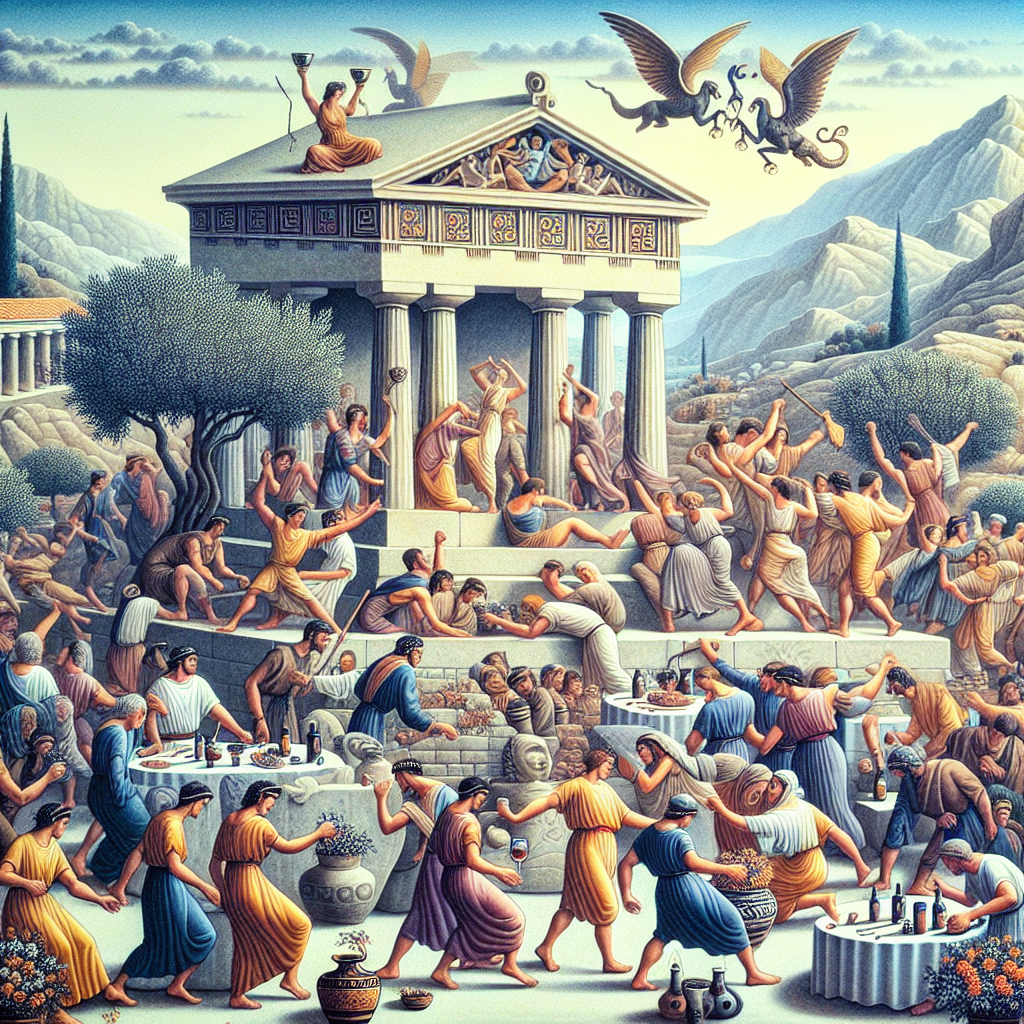
Ancient Greece, a cradle of Western civilization, is renowned for its profound contributions to philosophy, politics, and art. Central to this ancient society were its festivals, which not only brought communities together but also served as vital conduits for the myths that informed various aspects of Greek life. Myths permeated festivals, providing a framework for cultural identity, religious practice, and social cohesion. By exploring the cultural relevance of myths in ancient Greek festivals, we can gain insight into how these narratives helped to shape and reflect the values and beliefs of the time.
The Role of Myths in Greek Culture
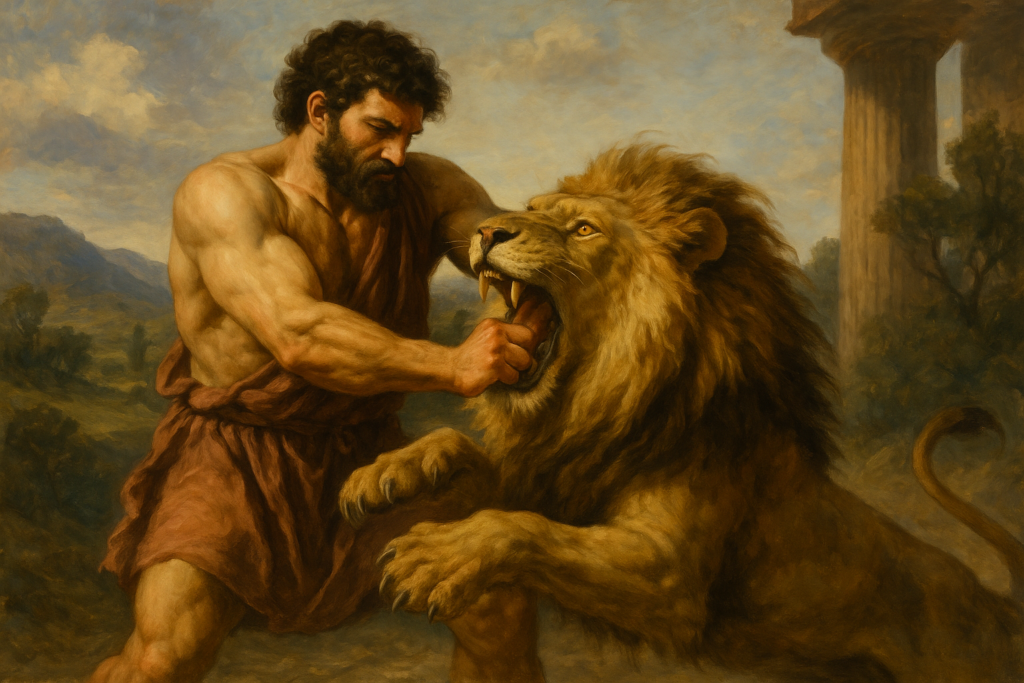
Myths in ancient Greece were more than mere stories; they were fundamental to the Greek understanding of the world. These narratives provided explanations for natural phenomena, moral lessons, and archetypal characters that represented human experiences. From the creation myths involving gods and titans to heroic tales of figures like Heracles and Odysseus, these stories were integral to the Greek worldview.
In a society where religion was interwoven with daily life, myths were essential in explaining the interactions between humankind, the divine, and the natural world. Festivals offered a communal space where these myths could be enacted and celebrated, reinforcing their role in shaping collective identity and values.
Major Festivals and Their Mythical Narratives
One of the most significant festivals in ancient Greece was the Olympic Games, held every four years in Olympia to honor Zeus. The myths surrounding Zeus, particularly his rise to power and his role as the chief deity, underscored the importance of strength, honor, and competition. Participants in the Games saw themselves not just as competitors but as living embodiments of mythic ideals, striving for glory and favor with the gods.
Another major festival was the Dionysia, which celebrated Dionysus, the god of wine and ecstasy. This festival was marked by dramatic performances that often drew upon myths associated with Dionysus. The plays of Aeschylus, Sophocles, and Euripides explored themes of human suffering, divine intervention, and the complexities of emotion, mirroring the dualities of joy and despair inherent in the human condition. The dramatic representations provided a cathartic experience for the audience, reinforcing societal norms while allowing exploration of deeper philosophical questions.
The Panathenaea, a festival held in Athens to honor the goddess Athena, presented a different aspect of the interplay between myths and cultural identity. The festival included a grand procession that reenacted aspects of Athenian mythology, showcasing the city’s divine patronage. The presentation of the peplos, a ceremonial garment for the statue of Athena, symbolized the Athenian identity and its collective memory. Myths related to Athena’s birth and her role in protecting the city were central to the festival’s activities, fostering community pride and solidarity.
Functions of Myths During Festivals
Educational and Moral Functions
Myth-based festivals served educational purposes, imparting moral lessons and cultural values to participants and spectators. For instance, tragic plays performed during the Dionysia often dealt with themes of hubris, the transience of life, and the consequences of moral failings. These narratives engaged audiences in reflections on character and ethics, serving as cautionary tales about the complexities of human nature.
Communal Celebrations and Identity Formation
Festivals reinforced communal bonds through shared rituals, music, dance, and storytelling. Myths served as a basis for collective identity, giving individuals a sense of belonging to something greater than themselves. Participation in festivals fostered unity among citizens, whether they were celebrating local traditions or recognizing the shared mythos that linked various city-states together through common gods and heroes.
Political Dimensions
The interplay between myths and festivals also had significant political implications. Festivals like the Olympic Games provided a platform for city-states to assert their power and status, as victors earned not only personal glory but also prestige for their home cities. Myths that highlighted nationalistic themes, such as the legendary battles against foes like the Persians, were often revived during these events to inspire pride and solidarity among citizens.
The Evolution of Myths and Festivals
As Greek society evolved, so too did the myths and the festivals that celebrated them. The influx of new ideas and cultures, particularly during the Hellenistic period, led to adaptations and reinterpretations of existing myths. Festivals became more inclusive, integrating local legends and practices, which enriched the cultural tapestry of ancient Greece.
Additionally, the rise of philosophical thought influenced the function of myths. Figures like Socrates and Plato introduced critical thinking and skepticism that began to challenge the literal interpretations of myths. This shift prompted a reevaluation of narratives and their relevance, leading to a more symbolic understanding of myths in relation to human experience.
Conclusion
The cultural relevance of myths in ancient Greek festivals lies in their multifaceted role in society. These festivals were not merely occasions for indulgence; they served as vital expressions of cultural identity, religious devotion, and communal harmony. The myths associated with each festival provided narratives that informed personal and collective values, initiated moral contemplation, and sustained the social fabric of ancient Greek life.
As modern audiences reflect on these ancient practices, we recognize the enduring power of myths—not just as relics of the past, but as echoes of human experience that continue to resonate today. The celebration of mythical narratives in festivals fosters a connection to our own cultural stories, reminding us of the universal search for meaning, identity, and belonging in an ever-changing world. Through the lens of ancient Greek festivals, we see how myths are intricately tied to the human experience, celebrating our triumphs and grappling with our challenges, uniting us across time and space.
Recommended reading
These are affiliate links. If you buy through them, we may earn a commission at no extra cost to you.
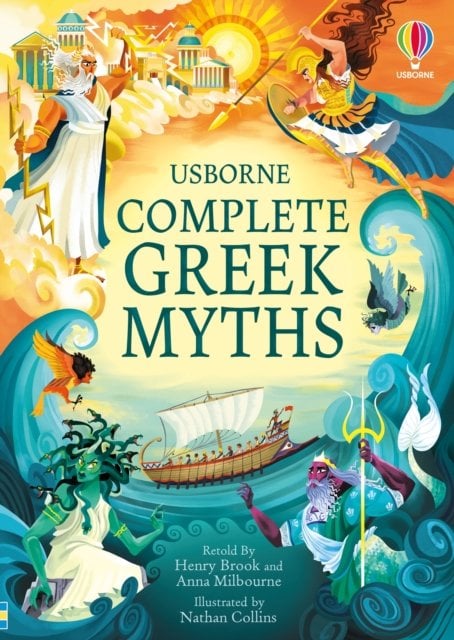
Complete Greek Myths: An Illustrated Book of Greek Myths
Featuring detailed retellings, beautiful character illustrations, and cultural background, this comprehensive volume brings the best-known and obscure Greek myths to life for readers of all ages. Complete with maps, a glossary, and a QR code for pronunciation guides and extra resources, it is an essential addition to any family bookshelf.
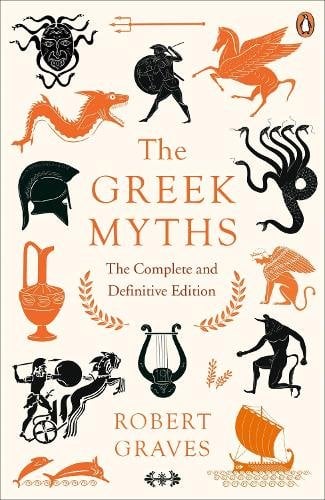
The Greek Myths: The Complete and Definitive Edition
Robert Graves’s definitive edition weaves the classic Greek myths, from the Labours of Hercules to the Trojan War, into one sweeping, authoritative narrative. Perfect for both first-time readers and classicists, this comprehensive volume combines engaging storytelling with detailed scholarly commentary and a complete index of names.
The Odyssey
Homer’s timeless epic The Odyssey follows the hero Odysseus on a perilous decade-long journey home from Troy, facing mythical monsters and divine wrath. Meanwhile, his wife Penelope and son Telemachus defend their kingdom against ruthless suitors in this classic tale of loyalty and endurance.