The Tale of the Destruction of Humanity: Divine Intervention in Myth
The Tale of the Destruction of Humanity: Divine Intervention in Myth
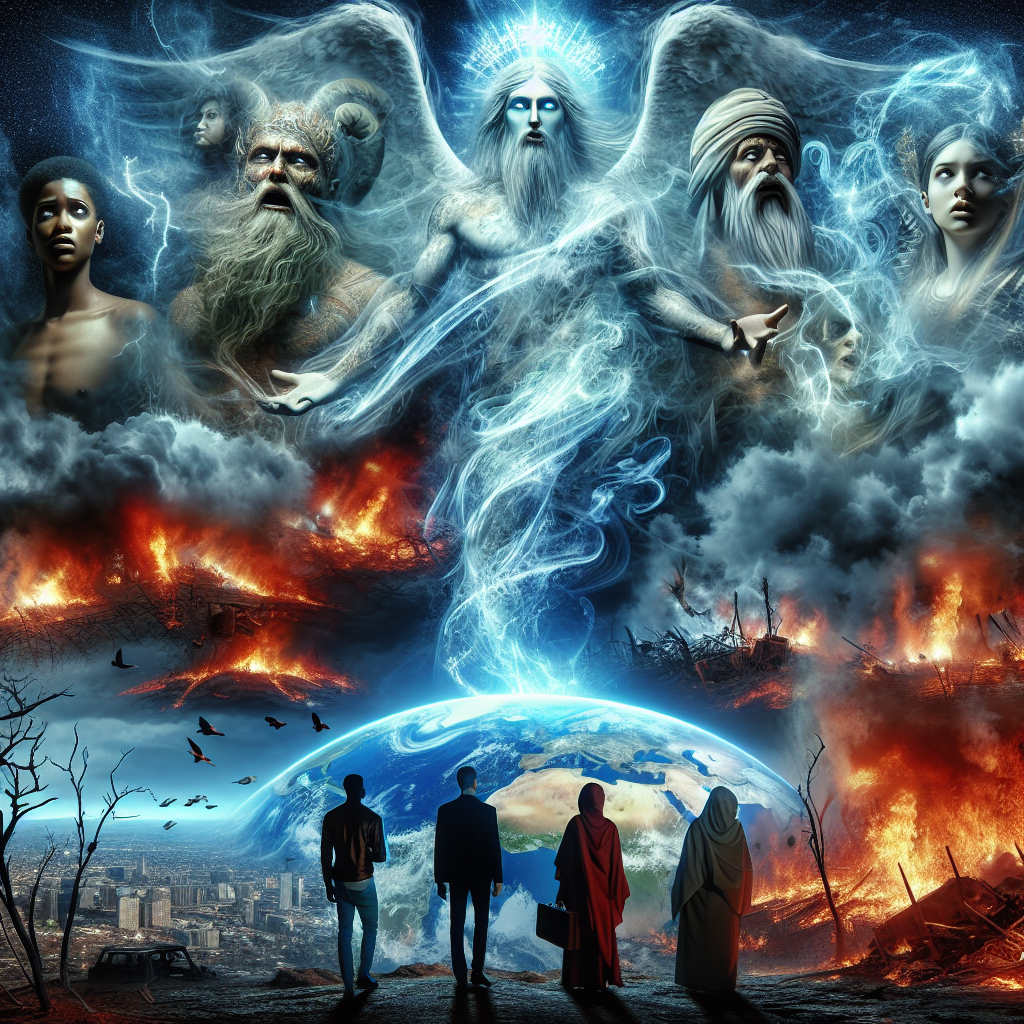
The concept of divine intervention in the destruction of humanity finds a rich tapestry within mythological and religious narratives from cultures around the world. Stories of cataclysmic events often serve as moral lessons, imparting wisdom about human nature, the fragility of civilization, and the omnipotent forces of the divine. From the deluge of Noah’s Ark to the Hindu tale of Pralaya, these narratives imbue the idea of divine judgment alongside humanity’s existential struggles.
The Flood as a Common Motif
One of the most renowned tales of divine intervention leading to humanity’s near annihilation is the Great Flood, a motif prevalent in many cultures. The Biblical account of Noah illustrates a God who, disillusioned by humanity’s wickedness, decides to cleanse the earth with a flood. Here, Noah stands out as a beacon of faith and righteousness, chosen to preserve a remnant of life. This divine act is not merely punishment but also a reset, aimed at giving humanity a second chance to foster righteousness.
In contrast, the Mesopotamian Epic of Gilgamesh narrates a similar flood story featuring Utnapishtim, a survivor who follows the gods’ command to build an ark. This parallels Noah’s story but showcases the capriciousness of the divine; the gods’ decision to flood the earth is borne not just from human transgressions but from their own petty squabbles. These tales reflect the multi-dimensional nature of divinity where divine intervention is steeped in moral complexity.
The Lessons of Catastrophe
These mythical upheavals are rich with symbolic meaning, often warning humanity about hubris, moral decay, and the consequences of straying from a righteous path. The floods serve as metaphors of rebirth, implying that destruction can be a precursor to rejuvenation. The narratives compel societies to engage in self-reflection, evaluating their values and ethical compass.
In the Mahabharata, the theme of divine intervention extends beyond mere destruction. The cosmic dance of Lord Krishna plays a crucial role as he guides the Pandavas against the Kauravas, leading to a catastrophic war. This tale emphasizes the moral and ethical dilemmas faced by humanity, showcasing divine forces intervening to restore dharma (cosmic order) amidst chaos. The cycle of creation and destruction becomes a recurring theme, a reminder that divine forces operate with a grander scheme beyond human comprehension.
The Role of Deities
In various mythologies, the deities’ personalities heavily influence the nature of divine intervention. Greek mythology exemplifies this with the story of Zeus, who frequently intervenes in human affairs, often punishing mortals for hubris or disobedience. The tale of the Titans illustrates a divine rebellion where deities, once aligned with humanity, turn against them to establish a new order. This shift signifies the volatile relationship between mortals and gods, highlighting the fragility of human life under the watchful eyes of the divine.
Similarly, the Norse myth of Ragnarok speaks to the inevitable demise of gods and humanity, orchestrated by fate itself. Here, divine intervention is not just punitive but an essential part of the cosmic cycle of destruction and rebirth. The intertwining destinies of gods and humans reflect an existential acknowledgment that all beings, including the divine, are subject to the rhythms of time.
Societal Reflection Through Myth
These myths serve as reflections of societal fears, values, and aspirations. They articulate the ancient human struggle for meaning in a chaotic world, often culminating in divine intervention as the last resort. The tales prompt introspection and provide frameworks for understanding our place in the universe. The destruction of humanity, while catastrophic, posits a notion of divine concern for the moral integrity of civilization.
The Sumerian myth of Enuma Elish portrays the creation of order from primordial chaos, with the eventual destruction of the world by Marduk acting as a testament to the importance of establishing and maintaining societal order. Divine intervention here underscores the importance of governance, collaboration, and moral fortitude in avoiding calamity.
Modern Interpretations and Their Implications
In our contemporary world, these age-old myths resonate with apocalyptic narratives that fill literature, film, and popular culture. Themes of climate change, nuclear war, and societal breakdown evoke the fear of divine retribution for human transgressions. Yet, rather than viewing these impending disasters solely as divine judgment, the lessons extracted from these myths implore us to reflect on our responsibility towards each other and the earth.
As we grapple with modern challenges, these tales can inspire collective action and ethical stewardship. The symbolism of floods and divine wrath serves to remind us of the significance of humility, compassion, and adherence to moral imperatives. In this light, the destruction of humanity is not merely an event of the past to be feared; it offers a warning and an invitation for transformation.
Conclusion
The tales of humanity’s potential destruction through divine intervention serve far more than as stories of fear and caution. They encapsulate eternal truths about human nature, divine power, and our capacity for change. As we navigate the complexities of modern existence, these narratives encourage us to bridge the chasms of moral neglect and engage in a renaissance of ethical responsibility. The divine may intervene in myriad ways, but the ultimate choice lies in humanity’s hands—to learn from the ashes of our predecessors and strive for a wiser, more compassionate world.