
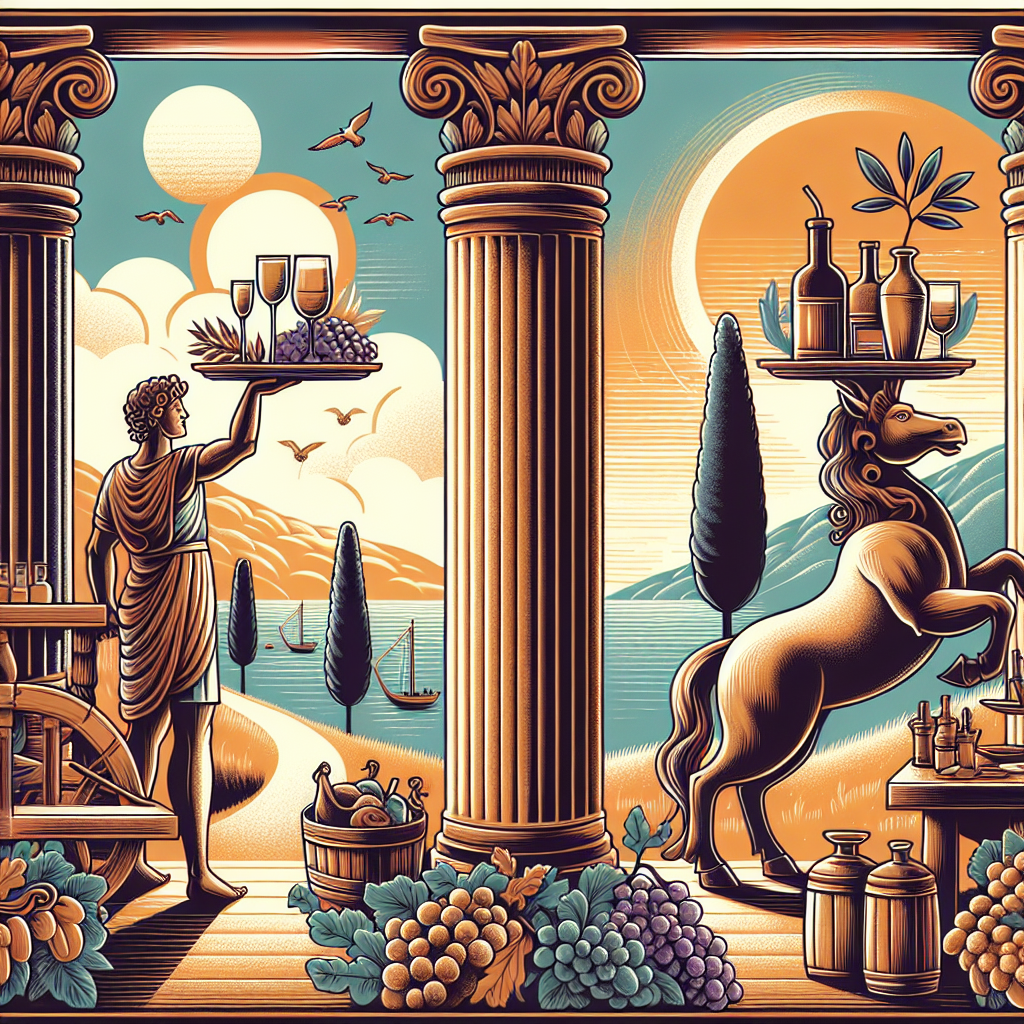
Hospitality, or xenia as it is known in ancient Greek, occupied a vital position in the social fabric of ancient Greece, manifesting not only in everyday life but also in mythology. In a world where travel was often fraught with dangers and uncertainties, hospitality served as a crucial means of fostering connections between individuals, communities, and, at times, even different realms of existence. This article explores the significance of hospitality in Greek mythology, examining how it influenced divine interactions, expectations in human relationships, and the moral lessons conveyed through mythological narratives.
The Concept of Xenia
At the heart of Greek hospitality is the concept of xenia, representing the relationship between a host and a guest. This bond was grounded in mutual respect and obligation, with hosts expected to provide food, shelter, and protection, while guests were to act courteous and respectful. Breaching this sacred bond was seen as both a moral failing and an affront to the gods, who often intervened in human affairs to enforce the rules of hospitality.
In the context of mythology, xenia was not merely a social custom but also a divine imperative. The gods themselves were known to disguise themselves as travelers, testing the hospitality of mortals. Figures like Zeus, particularly, were portrayed as guardians of hospitality, reinforcing the idea that proper treatment of guests was a reflection of one’s piety.
Divine Examples of Hospitality
One of the clearest illustrations of hospitality in Greek mythology is found in the story of Odysseus in Homer’s Odyssey. Throughout his long journey home, Odysseus receives both good and bad hospitality from various hosts. The Phaeacians, for example, exemplify ideal xenia. They welcome Odysseus with open arms, offering him food, a ship, and a safe passage back to Ithaca. The kindness of the Phaeacians ultimately earns them the favor of the gods, illustrating the cosmic significance of hospitality.
Conversely, the Cyclops Polyphemus represents the antithesis of hospitality. Instead of welcoming guests, he traps Odysseus and his men, demonstrating the consequences of violating the sacred bond of xenia. Odysseus’s clever escape from Polyphemus serves as a cautionary tale about the dangers of poor hospitality and the inherent risks of ignoring divine expectations.
The Role of Hospitality in Human Interactions
Beyond divine examples, hospitality also plays a crucial role in human relationships and interactions within Greek mythological stories. In the tale of Orestes and the hospitality crisis in The Libation Bearers, for example, the importance of proper hospitality comes to the forefront. Orestes returns home to find his home overtaken by his mother’s new husband, Aegisthus, who has not only failed to treat Orestes like family but has also committed the act of murder against his father, Agamemnon. Here, the absence of hospitality symbolizes moral decay and betrayal, leading to vendetta and violence.
This reflects a broader theme in Greek mythology where hospitality is intertwined with family loyalty, justice, and societal norms. Characters who fail to embody proper hospitality often face dire consequences, emphasizing the necessity of treating others with respect and dignity.
Mythological Cautionary Tales
Mythological stories often serve as cautionary tales regarding the repercussions of violating xenia. One notable example is the myth of Baucis and Philemon. This elderly couple exemplifies ideal hospitality when Zeus and Hermes, disguised as wanderers, arrive at their humble home. Instead of turning them away, Baucis and Philemon offer the gods their last meal and a place to rest. In gratitude, the gods reward them by granting their wish to serve together in the afterlife, turning their humble dwelling into a beautiful temple. This myth encapsulates the idea that true hospitality can transcend worldly limitations and bring divine rewards.
On the contrary, the tale of Niobe serves as a warning against hubris—Niobe boasts of her children’s superiority over those of Leto, the goddess who sacrificed her own life for her children’s well-being. When Leto takes revenge by sending her children, Apollo and Artemis, to kill Niobe’s offspring, it is a stark reminder that one must remain humble and extend hospitality even toward the divine.
The Reciprocity of Xenia
Moreover, the tradition of xenia often involved reciprocity. A hospitable act was more than a one-time transaction; it cultivated a web of alliances and mutual respect. In many cases, guests were expected to return the favor, further strengthening relationships between families and communities.
This can be seen in the friendship between Achilles and Patroclus in the Iliad. Their bond is characterized by mutual loyalty, sacrificial actions, and shared hospitality that fortifies their connection in the face of war. The sacred nature of their friendship is preserved through their acts of hospitality toward one another, showcasing how the values of xenia extend into camaraderie and loyalty.
Modern Relevance
The lessons of hospitality prevalent in Greek mythology continue to resonate today. In contemporary society, hospitality remains an essential virtue across cultures, fostering connections and understanding among diverse groups. The moral implications underlying these ancient tales remind us that kindness, generosity, and respect are timeless ethics that transcend geographic and cultural boundaries.
As globalization brings people from different backgrounds together, the tradition of hospitality can bridge gaps, dismantle prejudice, and foster peaceful coexistence. In many ways, the essence of xenia serves as a reminder that we are all interconnected, facing similar challenges of humanity.
Conclusion
In conclusion, hospitality in Greek mythology serves as a vital lens through which to understand the values and morals of ancient Greek society. The intricate web of xenia acts as a reflection of deeper themes including respect, reciprocity, and the divine relationship between mortals and gods. By exploring these myths, we not only gain insight into the cultural significance of hospitality in ancient Greece but also uncover timeless lessons that continue to hold relevance in our modern world. As we navigate our own relationships, let us heed the mythological cautionary tales and embrace the spirit of hospitality, creating a more compassionate and interconnected world.