The Sacred Animals of Norse Mythology
The Sacred Animals of Norse Mythology
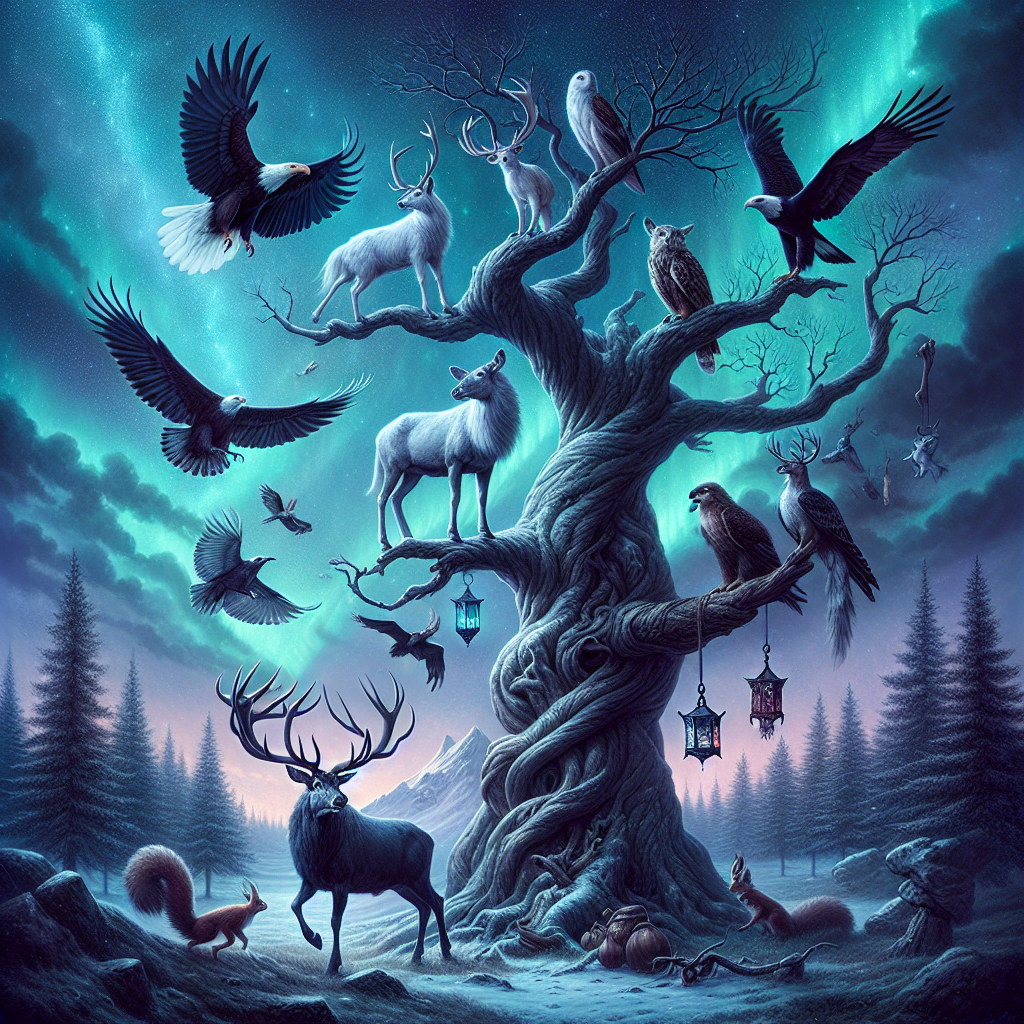
Norse mythology, with its rich tapestry of gods, giants, and mythical beings, also features a captivating array of sacred animals. These creatures are not only vital symbols within the mythos but also hold deeper meanings that connect the divine with the natural world. From majestic creatures like the raven and the horse to more enigmatic beings such as the wolf and the serpent, each animal plays a crucial role in the stories and beliefs of the Norse people.
The Raven: Odin’s Messengers
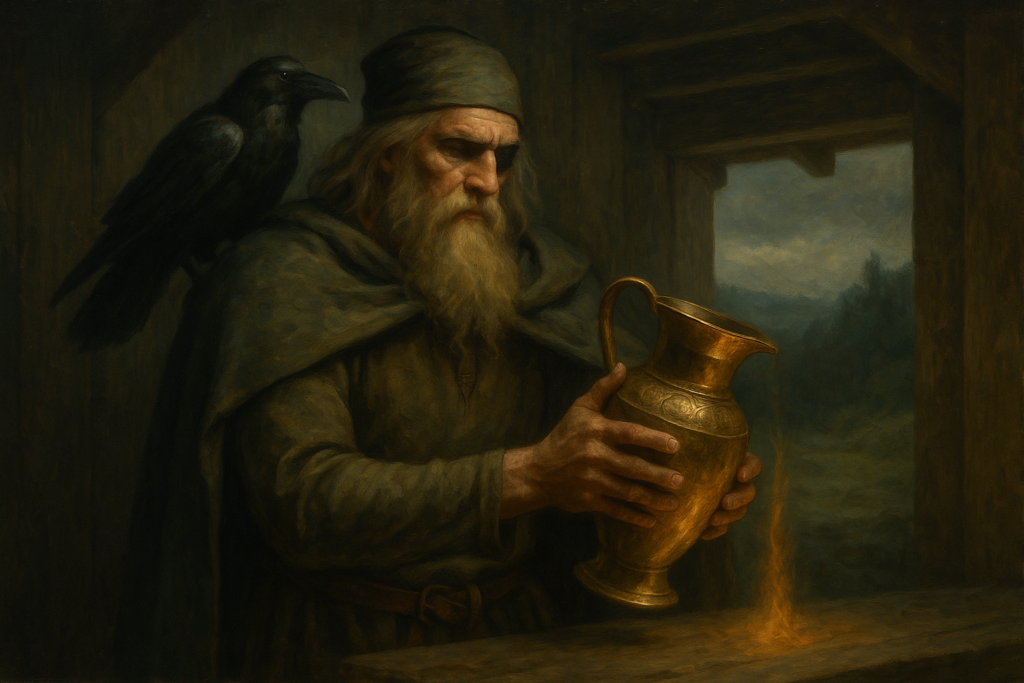
One of the most iconic animals in Norse mythology is undoubtedly the raven. Odin, the Allfather, is often depicted accompanied by two ravens named Huginn (thought) and Muninn (memory). These ravens soar through the nine realms, gathering information and relaying it back to Odin, symbolizing his desire for knowledge and wisdom.
The raven’s association with death and the afterlife also extends to its role on the battlefield. In ancient Norse culture, it was believed that ravens would feast on the corpses of warriors, linking them to the cycle of life and death. Thus, the raven signifies not just intelligence and foresight, but also the inevitability of mortality—a reminder of the transient nature of life.
The Wolf: A Dual Symbol
The wolf is another significant animal in Norse mythology, carrying complex symbolism. It embodies both ferocity and loyalty. Fenrir, the monstrous wolf and child of Loki, plays a pivotal role in the myth of Ragnarok—the prophesied end of the world. Fenrir is destined to kill Odin, representing chaos and destruction, but also an adverse reflection of survival and power.
In contrast, the wolf also embodies loyalty, as seen in the character of Hati and Sköll, the wolves that chase the sun and moon respectively. Their eternal pursuit reflects the relentless passage of time and the cyclical nature of existence. Thus, the wolf serves as a dichotomy of creation and destruction, illustrating the intricate balance inherent in the cosmos.
The Horse: Sleipnir and the Bridge Between Worlds
Horses hold an esteemed place within Norse mythology, most notably through Sleipnir, Odin’s magnificent eight-legged steed. Sleipnir is described as the fastest horse in existence, capable of traveling between the worlds, making it a bridge between the terrestrial and the divine. This connection underscores the importance of horses in Viking culture as symbols of strength, speed, and loyalty.
Sleipnir’s origins are as fascinating as his abilities; he was born from Loki, who transformed into a mare and mated with the stallion Svaðilfari. This birth story reflects the fluid nature of gender and identity in Norse mythology, emphasizing the interconnectedness of all beings.
Additionally, horses were often sacrificed and revered in rituals, seen as possessors of spiritual significance and protective qualities. In Viking lore, the horse represents not only physical prowess but also the journey of the soul—navigating the realms of existence.
The Serpent: Jörmungandr and the Cycle of Life
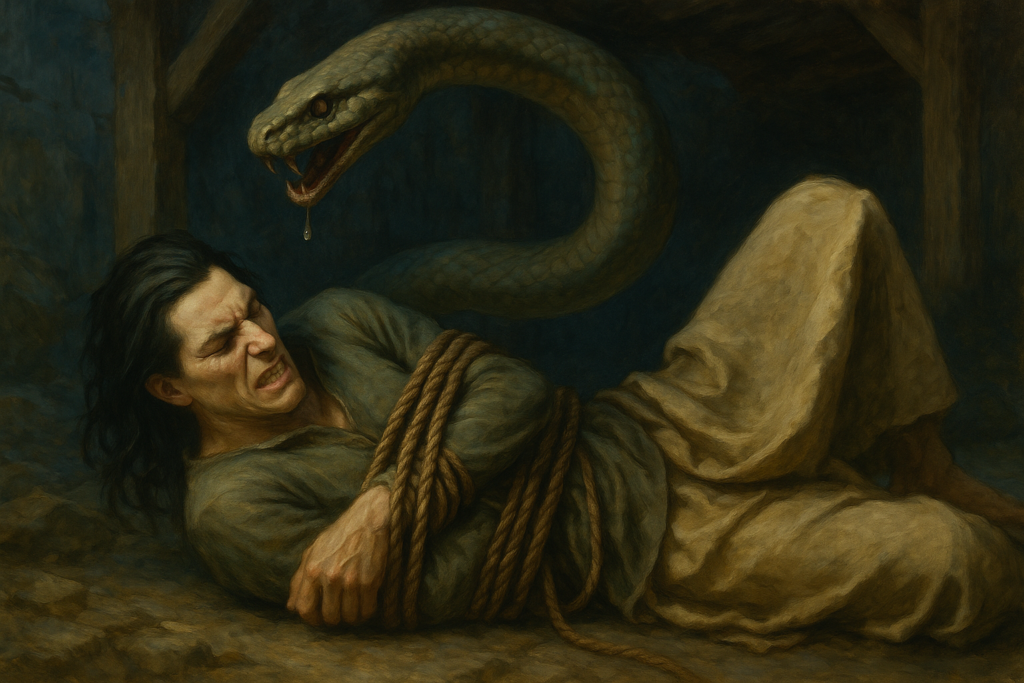
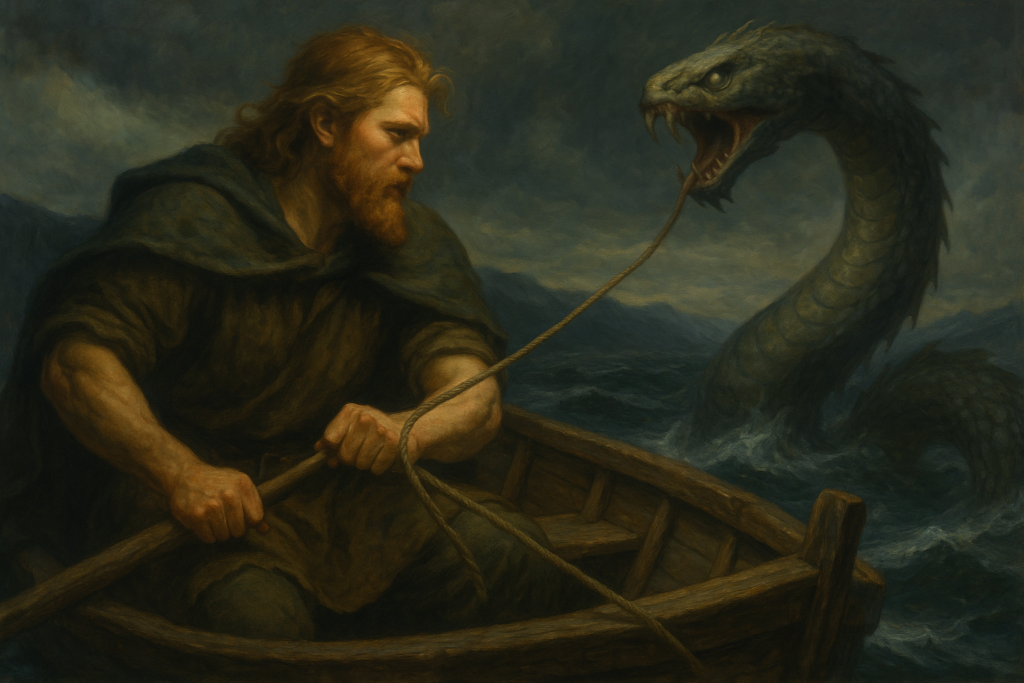
In stark contrast to the nurturing symbolism of horses, snakes and serpents represent danger and chaos, with Jörmungandr—the Midgard Serpent—being a prime example. This enormous creature, encircling the earth, is a child of Loki, and its presence epitomizes the chaos lurking beneath the surface of ordered reality.
Jörmungandr is destined to engage in a lethal battle with Thor during Ragnarok, symbolizing the inevitable clash between order (Thor) and chaos (Jörmungandr). This struggle reflects the cyclical nature of creation and destruction, illustrating the intricate dance between life and death.
The serpent often symbolizes wisdom and transformation—qualities that are not always associated with danger but are central to personal and spiritual growth. Its dual nature emphasizes the concept that from destruction and chaos can emerge new beginnings.
The Elk and Bear: Guardians of the Woods
The elk and the bear take on significant roles, particularly as symbols of strength and guardianship within the natural world. Elks, known for their majestic antlers and graceful demeanor, were often seen as messengers to the divine. They inhabit the woodlands, symbolizing the connection between the earth and the spiritual realms.
Bears, revered in Norse culture, symbolize courage and ferocity. They were seen as powerful protectors and were often associated with deities, such as the goddess Freyja, who had a close connection with bears as her companions. In addition to being fierce animals, bears also represent the nurturing aspects of nature, embodying the primal force of motherhood.
Conclusion
The sacred animals of Norse mythology serve as profound symbols intertwined with the beliefs and practices of the Viking culture. Each creature holds a unique place in the pantheon, representing complex themes such as wisdom, death, chaos, loyalty, and the intricate balance of life.
From Odin’s insightful ravens to the fierce battles between Fenrir and Thor, these sacred animals highlight the deep connection the Norse people felt with the natural world and their understanding of life’s dualities. While these animals are enigmatic and mesmerizing in their diversity, they also serve as reminders of the lessons woven into the fabric of existence—the eternal interplay of life and death, order and chaos, and the mystical journey of the soul.
In exploring the sacred animals of Norse mythology, we uncover not just their roles in ancient tales, but also the timeless wisdom they offer for our understanding of the world today. The stories of these animals continue to resonate, inviting us to reflect on our relationship with nature, the divine, and the deeper currents of life.