The Duality of Horus: Child and Warrior
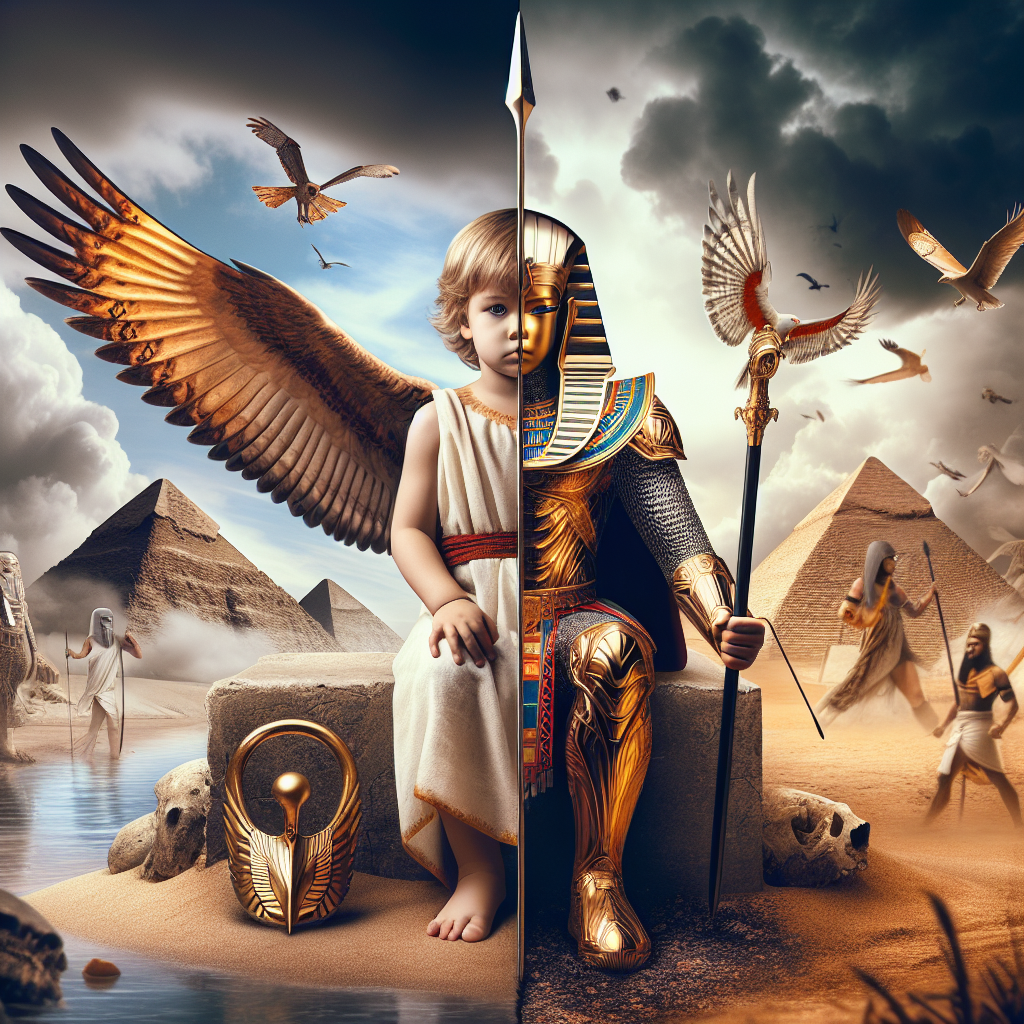
In the vast tapestry of Egyptian mythology, few deities hold as significant a position as Horus. Known as the god of the sky, war, and kingship, Horus embodies a rich duality that encapsulates the very essence of human experience: the interplay between innocence and valor. Through the narrative of Horus as both a child and a warrior, we explore the complexities of this ancient god and how his duality mirrors the challenges and triumphs of life itself.
The Child: Horus the Young
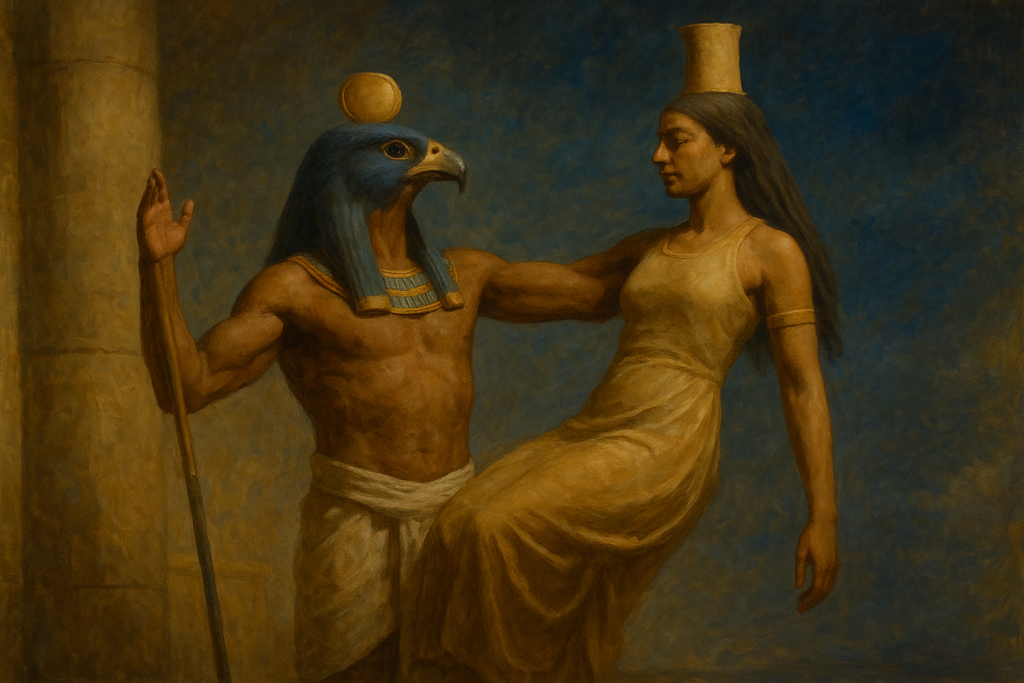
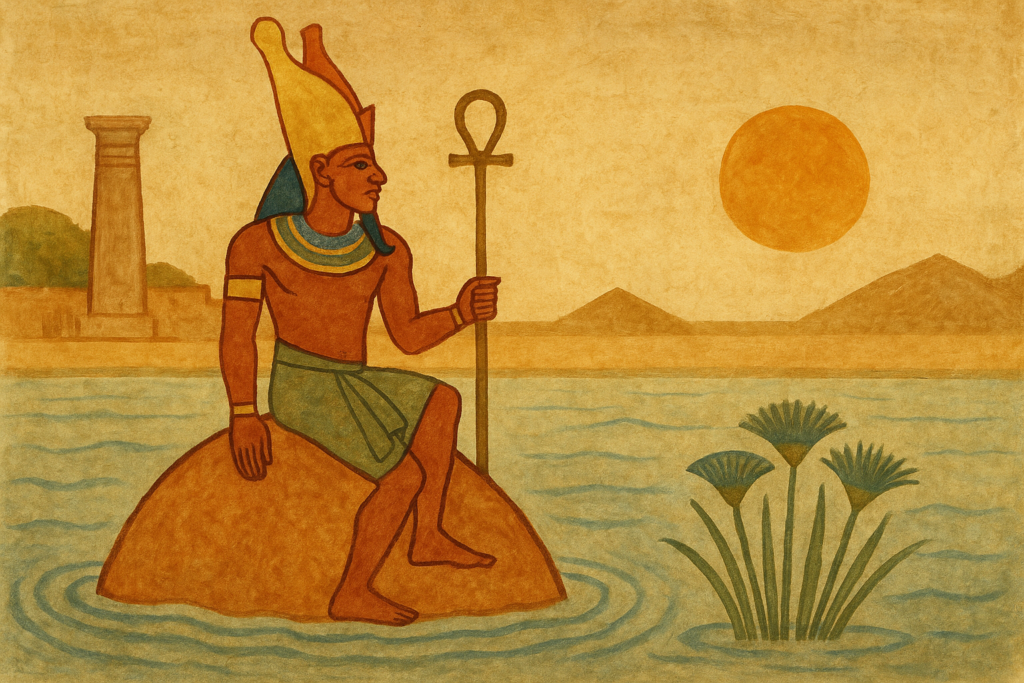
At the heart of Horus’s narrative is his life as a child. Born to the goddess Isis and the god Osiris, his infancy represents hope and renewal in a world too often marked by chaos. The story begins with Osiris, who is murdered by his brother Seth, the god of chaos and disorder. Following Osiris’s demise, Isis, in a display of immense courage and maternal devotion, seeks to rescue her child, Horus, from the clutches of Seth.
Horus’s early years are characterized by struggle, vulnerability, and the pure, untainted spirit of a child. Significantly, he is depicted as a falcon-headed boy, symbolizing his connection to both the sky and resurrection. As a child, Horus embodies the potential of future leaders, representing the innocence and purity that often accompanies youthful beings.
The nurturing aspect of Isis highlights the theme of motherhood in Horus’s early life. Isis is a manifestation of wisdom, magic, and protection. Her unwavering commitment to ensure Horus’s safety is symbolic of the nurturing principles found in many cultures — the idea that love, guidance, and resilience in the face of adversity are essential for growth.
In Egyptian mythology, the journey of Horus as a child can be interpreted as a metaphor for the trials of every individual during their formative years. These challenges — from loss to fear — shape one’s character, establishing the bedrock for future strength.
The Warrior: Horus the Avenger
As he matures, the narrative of Horus evolves from that of a vulnerable child to that of a fierce warrior. The transformation is catalyzed by his quest for justice — a drive to avenge his father, Osiris, and reclaim the throne of Egypt from Seth. This evolution is not merely a coming-of-age story; it embodies the universal struggle between good and evil, order and chaos.
Horus’s battles with Seth are legendary, representing the age-old conflict between these opposing forces. In these conflicts, Horus’s warrior persona is characterized by attributes like bravery, determination, and strategic prowess. He does not merely confront chaos; he embodies the ideals of justice and order, positioning him as a champion of the rightful succession to the throne.
The iconic image of Horus is of a falcon soaring high, a powerful representation of majesty and power. This not only reflects the warrior aspect of Horus but also his divine right to rule. In many ways, the falcon symbolizes the sky itself, reinforcing Horus’s dominion over the heavens and his role as protector of the pharaohs.
The duality of Horus becomes strikingly apparent when juxtaposed against Seth, who represents chaos and disruption. Their struggle resembles the inner conflicts faced by every individual. In this sense, the warrior Horus becomes a symbol of empowerment, illustrating how one can rise above adversity and chaos. As he battles against Seth, Horus’s actions remind us that bravery can manifest in different forms — from physical confrontation to the internal struggles each person faces.
Symbolism of Duality in Everyday Life
The duality of Horus is not just a construct of myth; it resonates deeply with the complexities of human existence. The transition from childhood to adulthood is fraught with challenges, and the tale of Horus serves as a metaphor for this journey.
Every individual carries within them the spirit of the child — innocent, curious, and vulnerable — while simultaneously grappling with the responsibilities and challenges that come with maturity. The interplay between these two aspects is pivotal; it shapes how one confronts life and its myriad of obstacles.
The symbolism of Horus can especially resonate in contemporary society. In a world rife with chaos and disorder, the narrative encourages individuals to find their inner strength, just as Horus did in his battles against Seth. It speaks to the importance of nurturing — both from the loving figures in our lives and from within ourselves.
Moreover, the duality of Horus can inspire leadership. Just as Horus emerged as a symbol of rightful rule and justice, individuals today can embody these attributes in their quests for personal and professional triumphs. Whether it’s through advocating for justice in communities or leading with compassion and wisdom, each person has the capacity to channel aspects of Horus.
Conclusion: Embracing the Duality
Ultimately, the dichotomy of Horus as both child and warrior illustrates a complex narrative that transcends the boundaries of mythology. It dives deep into the human experience, emphasizing that vulnerability and strength are not mutually exclusive but rather are interconnected threads of the same fabric.
Horus, in all his forms, teaches invaluable lessons about resilience, justice, and the journey from innocence to empowerment. His story encourages us to embrace our dualities, acknowledging that every individual has the potential to harness both the innocence of childhood and the courage of a warrior. In doing so, we can navigate the complexities of life with grace, wisdom, and strength, just as Horus has done throughout the ages.