The Cunning of Odysseus: The Man of Many Wiles

When one thinks of legendary heroes in ancient literature, names such as Achilles, Hector, and Aeneas come to mind. Yet, it is Odysseus, the Greek king of Ithaca, who stands out not only for his bravery on the battlefield but for his unparalleled cunning and intellect. Known as the “Man of Many Wiles,” Odysseus embodies the archetype of the clever hero, using his wits to navigate trials that would have defeated weaker souls. His cunning serves as a powerful narrative device in Homer’s epic poem, The Odyssey, which chronicles his ten-year journey home after the Trojan War.
The Nature of Cunning
Cunning, often seen as underhanded or deceitful, is a trait that Odysseus wields like a weapon. It is through his intellect, strategic thinking, and sometimes duplicitous actions that he maneuvers his way through adversity. Unlike many warriors who rely on brute strength, Odysseus employs a more cerebral approach, highlighting the value of intelligence and resourcefulness.
From the outset of The Odyssey, we see Odysseus’s cleverness in his initial encounter with the Cyclops Polyphemus. Rather than confronting the giant head-on, he concocts a clever ruse. By telling Polyphemus that his name is “Nobody,” Odysseus ensures that when he blinds the Cyclops, the latter will cry out in pain, “Nobody is hurting me!” This clever play not only secures his escape but also showcases Odysseus’s ability to think critically under pressure.
The Trojan War: A Prelude to Cunning
The roots of Odysseus’s cunning can be traced back to the events of the Trojan War, where he first gained fame. Perhaps his most significant contribution to the war effort was the idea of the Trojan Horse—a stratagem that led to the ultimate fall of Troy. This ruse involved crafting a giant wooden horse to conceal Greek warriors within while tricking the Trojans into believing it to be a gift of surrender. The success of this plan solidified Odysseus’s reputation as a master strategist, a title that would follow him throughout his journey home.
This episode exemplifies how Odysseus navigates complex social dynamics, using deception not just for its own sake, but as a means to an end. His actions challenge conventional notions of morality; he acts not only for survival but also for honor and glory, reflecting the complex moral landscape of Homeric heroism.
The Trials Along The Journey Home
Odysseus’s journey home is fraught with challenges, each requiring a unique application of cunning. The Sirens, for instance, pose a seductive threat to Odysseus and his crew. Aware of their enchanting song that lures sailors to their doom, he devises a plan to protect his men. By having them plug their ears with beeswax and tying himself to the mast of the ship, he can safely navigate past the Sirens, satisfying his curiosity without succumbing to their deadly allure. This incident highlights not only Odysseus’s foresight but also his self-awareness—an important aspect of his character.
Moreover, his encounter with Circe is another testament to his cunning. When she turns his men into swine, it would be easy for a brute to resort to violence. Instead, Odysseus seeks the counsel of Hermes, who gives him a magical herb called “moly” to ward off Circe’s powers. By employing both divine assistance and his own intellect, Odysseus successfully confronts Circe, ultimately winning her trust and receiving vital help for his journey ahead.
Loyalty and Deception
As Odysseus navigates the myriad challenges of his return home, he is often met with situations that test not only his cunning but also the themes of loyalty and deception. One of the most poignant examples is his encounter with the suitors who have invaded his home, vying for the hand of his wife, Penelope. Rather than confronting them with aggression, he chooses a path of subterfuge. Disguised as a beggar upon his return to Ithaca, he gathers information and creates a plan to reclaim his throne subtly.
This choice highlights a critical aspect of his character: while he is willing to employ deception, it is ultimately in service of restoring order, honoring his family, and reclaiming his rightful place. The climactic reveal of his identity not only reestablishes his role as a leader but also reinforces the theme that cunning, when guided by purposes of loyalty and justice, can be noble.
The Legacy of Odysseus’s Cunning
The legacy of Odysseus extends beyond the pages of The Odyssey. His story has permeated literature and culture, symbolizing the archetype of the clever hero. Traits associated with Odysseus’s character—such as intelligence, adaptability, and strategic thinking—are still revered today. Authors, philosophers, and leaders have drawn inspiration from his character, emphasizing the importance of intellect alongside physical prowess.
The notion of “thinking outside the box,” a common theme in modern problem-solving, can be traced back to Odysseus’s methods. His ability to confront adversity through creative solutions offers timeless lessons about resilience in the face of insurmountable odds.
Conclusion: A Hero for All Ages
Odysseus, the “Man of Many Wiles,” transcends the traditional heroic archetype. Through cunning, resourcefulness, and an unwavering commitment to his values, he embodies the complexity of human nature. His journey serves as a profound exploration of the human condition, showcasing how intellect and cunning can often triumph over brute strength and violence.
In a world that continues to present challenges, both personal and communal, the story of Odysseus remains relevant. His cleverness, loyalty to family, and desire for justice still resonate. As readers continue to engage with his tale, they are reminded that the greatest victories often come not through force but through the cunning and ingenuity of the human spirit.
Recommended reading
These are affiliate links. If you buy through them, we may earn a commission at no extra cost to you.
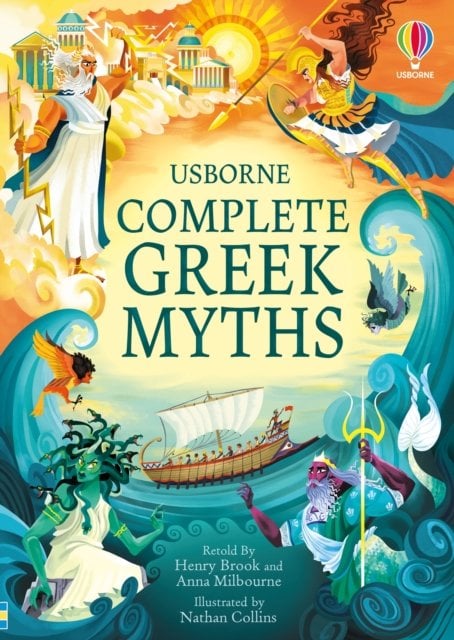
Complete Greek Myths: An Illustrated Book of Greek Myths
Featuring detailed retellings, beautiful character illustrations, and cultural background, this comprehensive volume brings the best-known and obscure Greek myths to life for readers of all ages. Complete with maps, a glossary, and a QR code for pronunciation guides and extra resources, it is an essential addition to any family bookshelf.
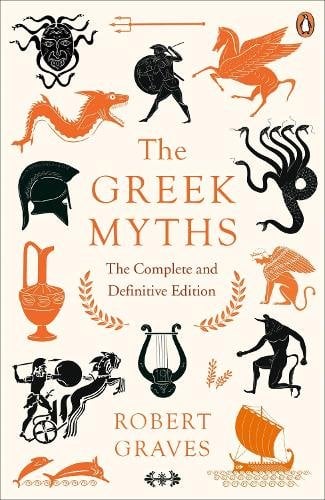
The Greek Myths: The Complete and Definitive Edition
Robert Graves’s definitive edition weaves the classic Greek myths, from the Labours of Hercules to the Trojan War, into one sweeping, authoritative narrative. Perfect for both first-time readers and classicists, this comprehensive volume combines engaging storytelling with detailed scholarly commentary and a complete index of names.
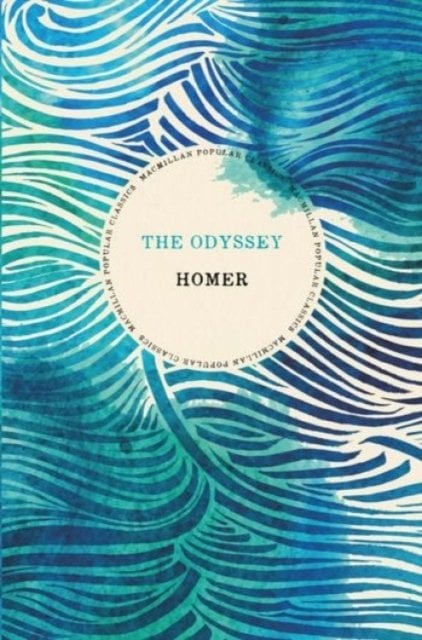
The Odyssey
Homer’s timeless epic The Odyssey follows the hero Odysseus on a perilous decade-long journey home from Troy, facing mythical monsters and divine wrath. Meanwhile, his wife Penelope and son Telemachus defend their kingdom against ruthless suitors in this classic tale of loyalty and endurance.