Myths of Transformation: Metamorphoses in Roman Lore
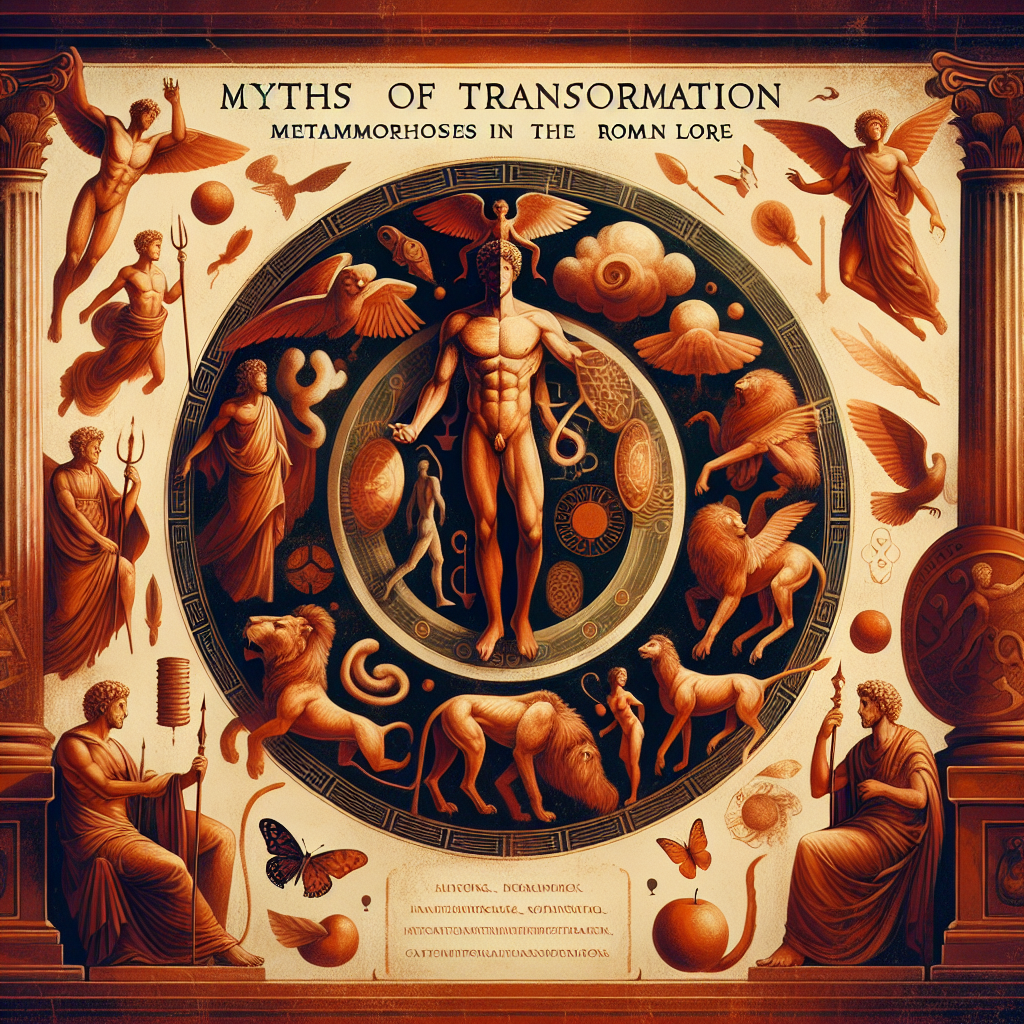
Transformation, a central theme in Roman mythology, encapsulates a range of experiences—from the physical metamorphosis of beings to profound changes in identity and status. In Roman lore, metamorphosis symbolizes both divine intervention and the fluidity of existence. This article will explore these themes through notable tales, the cultural significance of transformation, and the lasting impact of these myths.
The Symbolism of Transformation
At its core, metamorphosis in Roman myths represents change—whether it be a shift in form, the transcendence of the human condition, or the interplay between mortals and the divine. Often prompted by divine force, these transformations serve both as punishments and rewards, reflecting the morals and societal expectations of ancient Rome.
Transformation often reflects deeper philosophical ideas. The Romans believed that individuals could ascend to a higher state of existence, becoming something greater than themselves, thereby underlining themes of aspiration, punishment, and redemption.
The Metamorphoses of Ovid
One of the most significant sources of transformation myths in Roman lore comes from Publius Ovidius Naso, more commonly known as Ovid. His work, Metamorphoses, serves as a cornerstone of Roman literature, weaving together over 250 myths, many of which explore transformation. Through vivid storytelling, Ovid delves into the emotional and psychological states of beings undergoing metamorphosis, creating rich narratives that resonate even today.
Daphne and Apollo
One of the most famous stories in Metamorphoses is that of Daphne and Apollo. Apollo, struck by Cupid’s arrow, becomes infatuated with the nymph Daphne, who desires to retain her independence. To escape Apollo’s advances, she calls upon her father, Peneus, for help. In response, he transforms her into a laurel tree. This metamorphosis serves several purposes: it preserves Daphne’s autonomy and represents the enduring nature of unrequited love, as Apollo vows to wear laurel wreaths made from her leaves.
Niobe’s Transformation
Another poignant story is that of Niobe, who boasted of her progeny, claiming superiority over the goddess Leto, mother of Apollo and Artemis. In revenge, Leto sends her children to slay Niobe’s children. Stricken by grief, Niobe is transformed into a stone statue, eternally weeping. This narrative serves as a cautionary tale about hubris and the consequences of challenging the divine, illustrating how transformation can be both a punishment and a reflection of one’s inner turmoil.
Arachne: The Weaver’s Folly
The tale of Arachne presents a different type of transformation. A skilled weaver, Arachne challenges the goddess Minerva to a weaving contest. When Arachne refuses to acknowledge Minerva’s divine superiority, the goddess transforms her into a spider, condemning her to weave for eternity. This story highlights themes of pride, punishment, and the consequences of defying the gods, illustrating how transformation can symbolize a loss of human agency.
The Role of Divine Intervention
In many Roman metamorphosis myths, transformation is mediated by the gods. The immediate cause of the change often stems from a character’s actions or desires, but it is ultimately the gods who hold the power to transform. This dynamic showcases the relationship between the mortal and divine realms, emphasizing the idea that human beings are at the mercy of deities.
Divine intervention in these tales often serves as a warning. Characters who demonstrate hubris or transgress moral boundaries frequently suffer consequences in the form of transformation. The transforming act becomes a means of enforcing societal norms and ethical behavior, reinforcing Ovid’s primary themes: the capriciousness of the gods and the fragility of human life.
Cultural Significance and Legacy
The themes of metamorphosis and transformation resonate far beyond their mythological roots, influencing Roman culture, art, and philosophy. Transformation myths played a critical role in shaping Roman identity. They were used to impart moral lessons to citizens, maintaining a sense of order and stability in society. These transformations reflect the duality of existence in Roman thought—a belief in the power of change and the necessity for personal growth.
Moreover, these tales have transcended time, influencing Western literature and art. Renowned artists through the centuries, such as Bernini and Caravaggio, have drawn inspiration from Ovid’s stories. The enduring nature of these myths reflects humanity’s ongoing fascination with transformation—both in a literal sense and as a metaphor for the complexities of life.
Contemporary Reflections
Today, transformation myths continue to hold relevance, serving as allegories for personal growth and change in a modern context. Stories of individuals overcoming adversity, transforming their circumstances, or embracing new identities resonate with contemporary audiences. The themes found in Roman metamorphoses—identity, agency, loss, and redemption—remain timeless, allowing us to explore our humanity through the lens of transformation.
In literature and film, we see reimaginations of these classical tales. Modern interpretations often focus on the psychological aspects of transformation, examining how identity can shift over time or in response to external pressures. By revisiting these ancient myths, we reflect on our journey, recognizing that transformation is an inherent part of life, shaping who we are in profound ways.
Conclusion
The myths of transformation in Roman lore, particularly as captured in Ovid’s Metamorphoses, provide a rich tapestry of narratives that explore the essence of change. By examining these tales, we uncover the complexities of the human experience, the dynamics of divine interaction, and the perpetual dance of metamorphosis that defines life itself.
Through the lens of ancient myths, we find an enduring narrative of self-discovery, warning, and redemption—one that echoes in our modern lives. As we navigate transformations of our own, we are reminded that change, while often daunting, can lead to profound new beginnings and insights into the nature of existence. The stories of metamorphosis illuminate our paths, prompting us to embrace the inevitability of transformation as we forge our destinies.