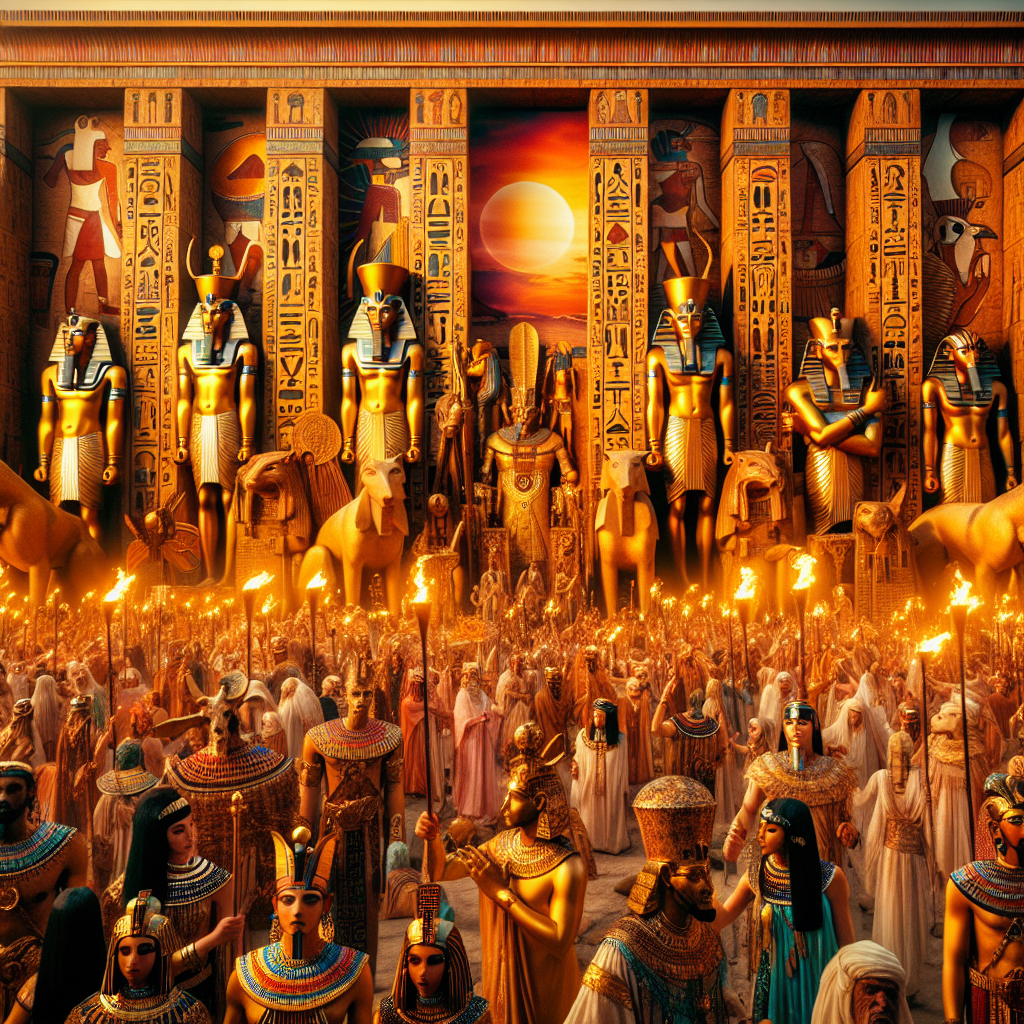
Egyptian civilization, one of the cradles of ancient culture, was deeply intertwined with a rich tapestry of mythology and religion. Festivals in ancient Egypt were not merely celebrations; they were vital expressions of reverence and gratitude toward the gods, encapsulating the culture’s worldview and societal structure. These festivals, often tied to agricultural cycles, seasonal changes, and significant mythological events, played a key role in maintaining harmony in both the cosmos and the community.
The Role of Mythology in Festivals
At the heart of every festival in ancient Egypt was mythology, the lens through which the Egyptians understood their world. Myths explained the cosmos, human existence, and the divine order. They narrated the actions and relationships of gods and goddesses, embodying themes such as creation, resurrection, and renewal. The festivals that ensued were not only a reflection of these myths but also an engaging educational experience for the populace, reinforcing societal values and offering a shared communal identity.
Celebrating Creation: The Wepet-Renpet Festival
One of the most significant periods in the Egyptian calendar was the New Year, celebrated during the festival of Wepet-Renpet. This festival, which heralded the beginning of the annual inundation of the Nile, was steeped in the mythological narrative of creation. According to Egyptian beliefs, this event symbolized the rebirth of the land and the cyclical triumph over chaos.
As the Nile flooded its banks, fertile mud was deposited, ensuring a bountiful harvest. The festival involved elaborate rituals, including processions, offerings, and prayers to Hapi, the god of the Nile, and other deities associated with fertility and sustenance. This celebration served as a reminder of humanity’s dependence on divine favor for survival and prosperity.
The Opet Festival: A Divine Reunion
The Opet Festival was another prominent event in the Egyptian religious calendar, dedicated to the reverence of Amun, Mut, and Khonsu. Held annually in Thebes, the festival celebrated the sacred marriage between Amun and Mut—mythologically, this union symbolized the fertility of the land and the continuity of divine rule.
The festival was marked by a grand procession where the statue of Amun was carried from Karnak Temple to Luxor Temple on a beautifully adorned barque. This journey, laden with symbolism, represented the renewal of the divine energy that flowed through the land. People would gather along the route, lighting candles, bringing offerings, and engaging in celebratory music and dancing. It was a time of joy, community spirit, and collective affirmation of faith, connecting the earthly realm to the divine.
The Sed Festival: Renewal of Kingship
The Sed Festival, also known as the Jubilees, was intricately linked to the pharaoh’s reign, commemorating the king’s continued rule and vitality. This festival, based on the myth of Osiris, symbolized rebirth and regeneration. According to mythology, Osiris was killed by his brother Seth, but through the efforts of his wife Isis, he was resurrected, marking a significant theme of death and renewal in Egyptian belief.
During this festival, the pharaoh underwent ceremonial rites that included running a race in a specially designated area, symbolizing his strength and capability to maintain order and harmony (Ma’at). The Sed Festival had both political and religious connotations, reinforcing the divine right of the pharaoh to rule while simultaneously emphasizing the collective need for renewal.
The Festival of Bastet: Joy and Fertility
Bastet, the cat goddess, symbolizing fertility, motherhood, and joy, held a prominent place in the hearts of Egyptians, and her festival in her hometown of Bubastis, celebrated every summer, was one of the most joyous occasions in the Egyptian calendar. The festival was marked by merrymaking, music, feasting, and the vibrant presence of daily life’s fertility.
Mythologically, Bastet represented the nurturing aspects of femininity and was often associated with the domestic sphere. The festival featured processions where priests and devotees adorned in green danced in honor of Bastet. Offerings of food, drink, and flowers reflected the hope for fertility in both the land and people. This celebration not only reinforced the community’s cultural identity but also highlighted the importance of family and home.
The Role of Ritual and Offerings
The success of these festivals hinged on the participation of the community, as ritualistic acts were fundamental in connecting the mortal realm with the divine. Offerings to the gods, ranging from food to incense, were viewed as sacred acts that sustained and nourished the deities, ensuring their favor and continued blessings.
Temples served as the focal points for these rituals, where priests would perform specific ceremonial practices designed to invoke divine presence. The participation of the populace was vital in amplifying these prayers, creating a communal atmosphere steeped in spirituality and devotion. Thus, festivals became a dynamic confluence of social interaction, spiritual engagement, and public affirmation of faith.
The Legacy of Egyptian Festivals
As ancient Egypt evolved, its festivals reflected changes in societal norms, political landscapes, and cultural interactions. However, their core essence—celebrating the gods through mythology remained constant. Today, they continue to inspire contemporary interpretations of faith and community bonding.
Modern celebrations touch upon the essence of these ancient festivals, often emphasizing themes of renewal, hope, and the interconnectedness of humanity and the divine. Texts, artists, and scholars hark back to this rich festival tradition, using it as a means to connect contemporary experience with ancient heritage.
Conclusion
Egyptian festivals were more than mere celebrations; they were intricate rituals woven into the fabric of everyday life. They reflected the myths, agricultural cycles, and social structure of ancient Egypt, revealing a society deeply rooted in its faith and cultural heritage. Through these festivals, the ancient Egyptians expressed their devotion, articulated their values, and connected with the mysteries of existence. As we look back at these vivid expressions of religious life, we are reminded of the enduring human quest for connection—both with the divine and within the community.