Understanding the Underworld: Hades and Its Complexities
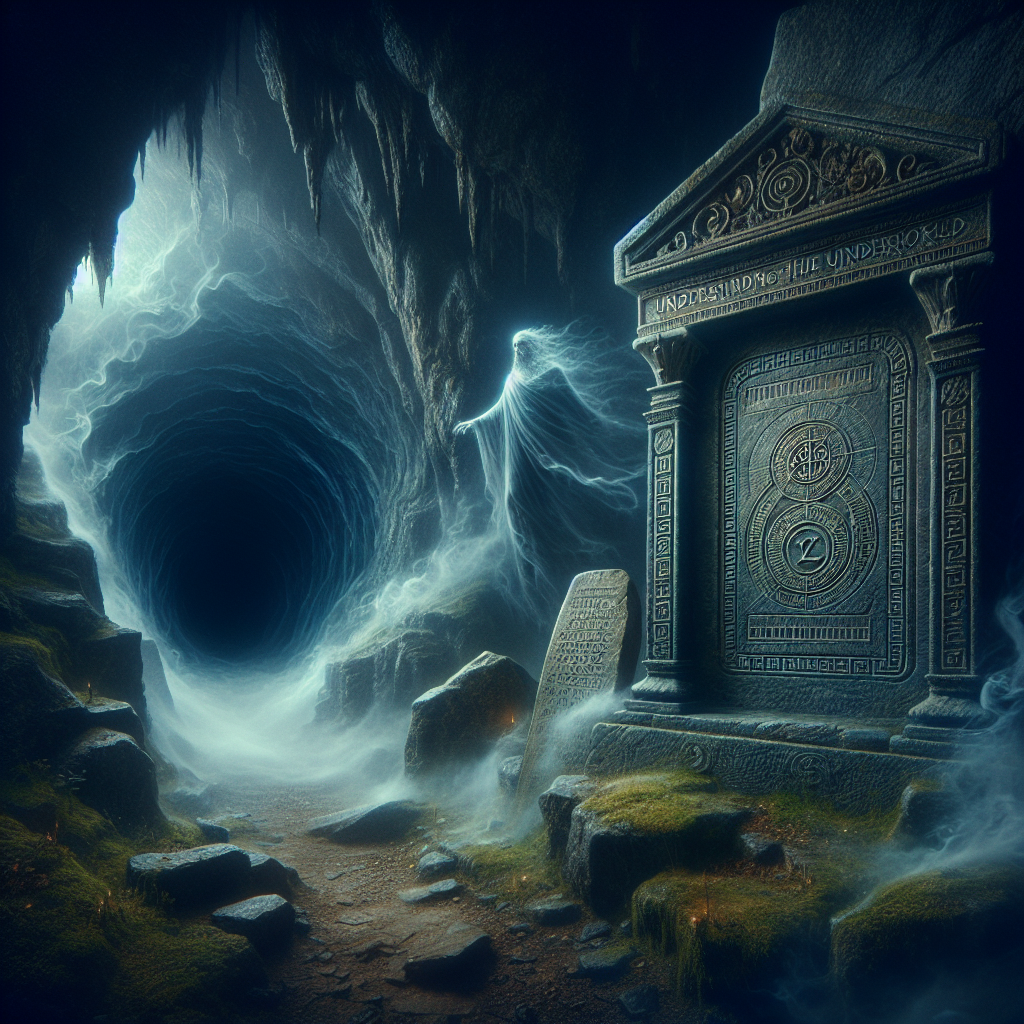
The Underworld, often simplistically referred to as “Hades” in popular culture, is a complex and nuanced realm in ancient Greek mythology that embodies themes of life, death, morality, and the human condition. While often associated with darkness and despair, the Underworld also reflects the ancient Greeks’ multifaceted understanding of existence beyond the mortal plane. To fully appreciate this enigmatic domain and its ruler, Hades, one must explore its structure, its inhabitants, and the cultural significance it held for the Greeks.
The Structure of Hades
The Underworld is not a monolithic entity but rather a vast and intricate realm divided into multiple sections. At the heart lies the Asphodel Meadows, a neutral zone where souls who lived average lives reside. Unlike the outright torments of the damned or the bliss of the blessed, the Meadows symbolize the mediocrity of existence—an eternal waiting room for souls without remarkable virtues or vices.
To the west, one finds Elysium (or the Elysian Fields), a paradisiacal section reserved for the heroic and virtuous. Here, souls of exceptional merit experience eternal peace and joy, living in a serene landscape reminiscent of an idyllic earthly paradise. Echoing concepts of reward and consequence, Elysium stands in stark contrast to the darker regions of the Underworld.
Further to the east lies Tartarus, a hellish abyss intended for the most wretched souls and the Titans—those who dared to oppose the gods. Tartarus is characterized by its extreme punishments, designed as a place of retribution where offenders pay for their earthly sins. Its grim reputation highlights the Greeks’ understanding of justice and the moral order that prevails in the cosmos.
The Journey of the Soul
Upon death, the soul begins its journey to Hades, guided by Charon, the ferryman of the Underworld. He transports souls across the River Styx, provided they can pay him with an obol—a coin placed in the deceased’s mouth as a form of payment for the journey. Without this payment, souls are doomed to wander the shores of the Styx eternally, symbolizing the ancient belief in the importance of proper burial rites and rituals.
Once across the river, the souls encounter Cerberus, the three-headed dog that guards the gates of Hades. Cerberus ensures that the dead do not escape but also signifies the boundary between life and death. Souls then face the judgment of Minos, Rhadamanthus, and Aeacus, who determine whether they will ascend to Elysium, linger in the Asphodel Meadows, or descend to Tartarus.
Hades: The God and His Complexities
Hades, the god who rules over this shadowy domain, is often misunderstood in modern interpretations. While he is synonymous with death, he is neither the embodiment of evil nor a malevolent figure. In fact, his role is instrumental in the cycle of life; he represents a vital aspect of existence that is often feared and shunned.
Misconceptions and Representations
In art and literature, Hades is frequently depicted with a somber or foreboding demeanor, adorned with serpents and symbols of death. However, these depictions fail to capture his more benevolent aspects. Hades is often a just and fair ruler, ensuring that the rightful balance of life and death is maintained. His dominion encourages a deep respect for the dead and underscores the importance of taking care of one’s affairs before death.
This duality reflects the Greeks’ understanding of mortality. They recognized death as a natural part of life, and Hades personifies this truth. By ruling over the dead, he does not instigate fear but rather instills reverence for the life that must be lived fully and ethically.
The Relationship with Persephone
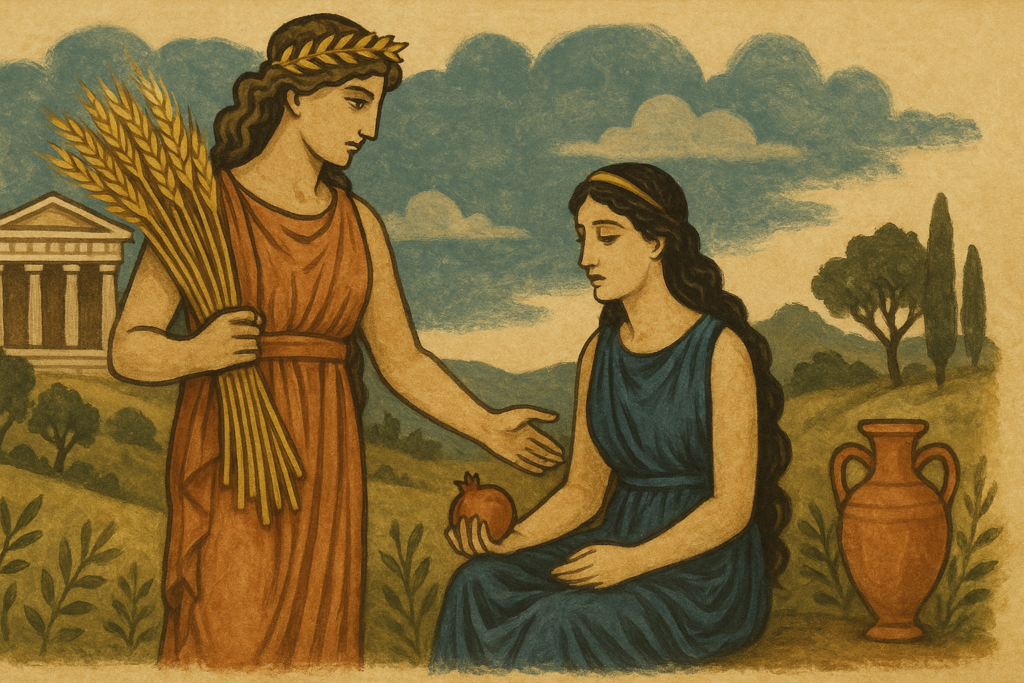
A crucial aspect of Hades’ mythology is his relationship with Persephone, the daughter of Demeter and the goddess of spring. According to myth, Hades abducted Persephone to be his queen, which led to her mother’s despair and the subsequent barren winter months. This myth intricately connects the Underworld with the cycles of nature and human emotion.
Persephone’s seasonal ascent and descent represent the duality of life and death, growth and decay. Her presence in Hades ensures a certain balance; during her time in the Underworld, the earth falls into winter, signifying death and dormancy, while her return heralds spring and rebirth. This cyclical nature emphasizes the notion that death and life are intertwined, suggesting that the Underworld is not merely a place of despair but a necessary counterpart to the vibrancy of life.
Cultural Significance
For the ancient Greeks, Hades served as a source of moral instruction and philosophical inquiry. The Underworld reflected societal values, encouraging individuals to lead virtuous lives in anticipation of their eventual judgment. It posed essential questions about ethics, existence, and the afterlife, stimulating dialogues that prompted deeper reflections on mortality.
The narratives surrounding Hades also influenced various cultural practices, including funerary rites and commemorative ceremonies. Treating the deceased with respect and conducting proper rituals became paramount, as doing so would secure a favorable passage to the Underworld. The Greeks believed that neglecting these customs could lead to dire consequences, reinforcing the sacredness of life and death.
Conclusion
Understanding the Underworld, particularly through the lens of Hades, requires an appreciation of its complexities. Hades is not a realm of mere torment but a sophisticated metaphor for the human experience, capturing both the fear and reverence associated with mortality. Through its various sections, rituals, and the intertwined destinies of souls, the Underworld presents a profound narrative that resonates through time.
As we explore the mythological landscape of Hades, we uncover themes that persist in contemporary discourse: the inevitability of death, the ethical dimensions of life, and the cyclical nature of existence. Ultimately, Hades stands as a reminder of the intricate balance that defines our lives, inviting us to confront our own mortality while embracing the richness of living fully.
Recommended reading
These are affiliate links. If you buy through them, we may earn a commission at no extra cost to you.
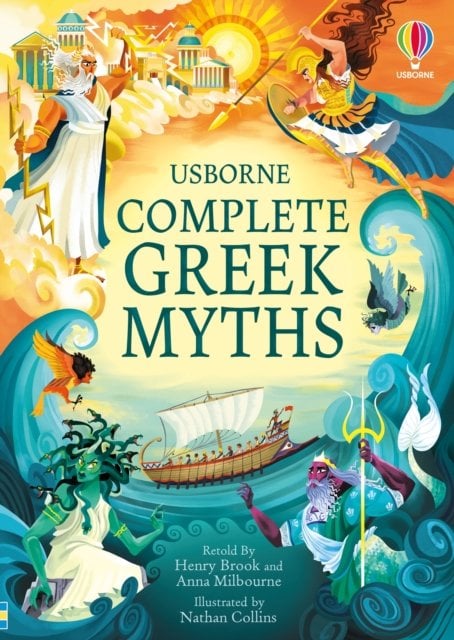
Complete Greek Myths: An Illustrated Book of Greek Myths
Featuring detailed retellings, beautiful character illustrations, and cultural background, this comprehensive volume brings the best-known and obscure Greek myths to life for readers of all ages. Complete with maps, a glossary, and a QR code for pronunciation guides and extra resources, it is an essential addition to any family bookshelf.
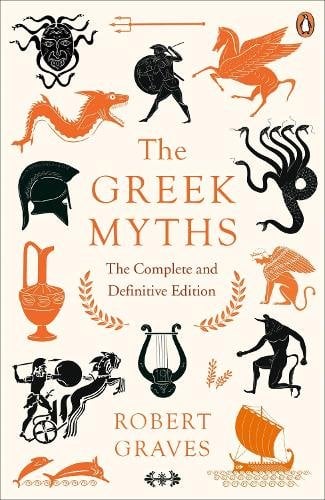
The Greek Myths: The Complete and Definitive Edition
Robert Graves’s definitive edition weaves the classic Greek myths, from the Labours of Hercules to the Trojan War, into one sweeping, authoritative narrative. Perfect for both first-time readers and classicists, this comprehensive volume combines engaging storytelling with detailed scholarly commentary and a complete index of names.
The Odyssey
Homer’s timeless epic The Odyssey follows the hero Odysseus on a perilous decade-long journey home from Troy, facing mythical monsters and divine wrath. Meanwhile, his wife Penelope and son Telemachus defend their kingdom against ruthless suitors in this classic tale of loyalty and endurance.