Hercules: The Hero Who Bridges Greek and Roman Heroes
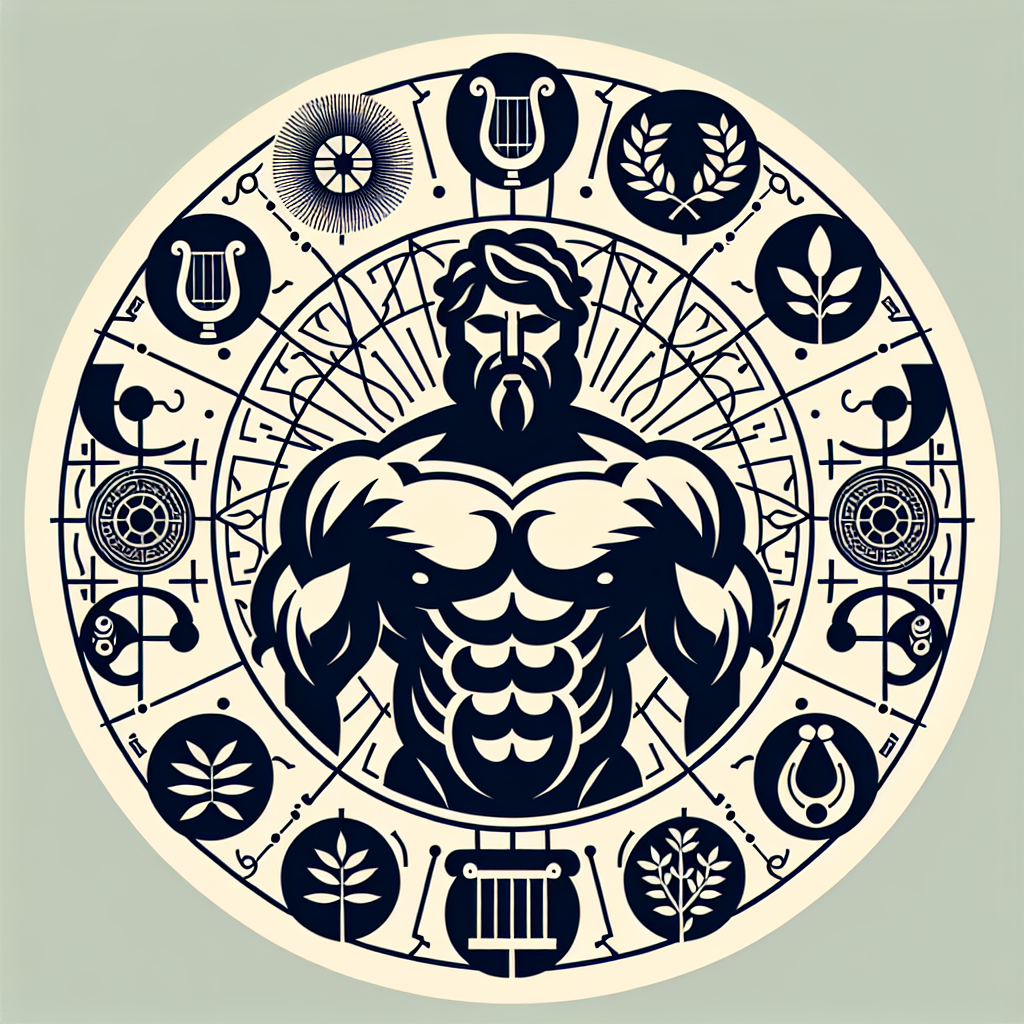
Hercules, known as Heracles in Greek mythology, stands as one of the most celebrated figures in ancient lore. His stories encapsulate themes of bravery, strength, and resilience that transcend cultural boundaries, making him a pivotal character in both Greek and Roman mythology. This article explores the significance of Hercules as a hero who aligns and connects the narratives and values of these two powerful civilizations.
Origins of Hercules/Heracles
Hercules was born to Zeus, the king of the Greek gods, and Alcmene, a mortal woman. His birth was steeped in prophesy and divine intrigue. Hera, Zeus’s wife, considered Hercules a threat and sought to end his life even before his birth. This animosity would shape much of Hercules’ life, fueling his journey through suffering and redemption. One notable myth recounts how, as an infant, he killed two serpents sent by Hera to complete her plan.
His strength and bravery defined him from an early age, but it was his tragic fate—inflicted by Hera—that would lead him on a transformative journey.
The Twelve Labors
The most famous tales of Hercules revolve around the Twelve Labors, a series of tasks he was forced to undertake as punishment for killing his family in a fit of madness instigated by Hera. These labors not only tested his strength but also his ingenuity and perseverance. Each labor symbolizes a distinct aspect of the human experience, from combat and endurance to humility and cleverness.
The Labors and Their Symbolism
-
Nemean Lion: The first task involved defeating a lion whose skin was impervious to weapons. Hercules strangled the beast with his bare hands and wore its hide as armor—a testament to overcoming insurmountable challenges.
-
Lernaean Hydra: The second labor required him to slay a multi-headed serpent known as the Hydra. Each time he cut off one head, two would grow back. With the help of his nephew, Iolaus, who cauterized the necks, Hercules ultimately succeeded. This labor highlights themes of resilience in the face of adversity.
-
Ceryneian Hind: Capturing this sacred, swift deer demonstrated Hercules’ ethical complexity—showing reverence for nature while also fulfilling his obligations.
-
Erymanthian Boar: By capturing this formidable beast, Hercules displayed not just physical strength but also strategic thinking.
-
Augean Stables: His task of cleaning the stables in a single day by redirecting rivers speaks to ingenuity and resourcefulness.
-
Stymphalian Birds: Here, Hercules faced mythological creatures with metallic beaks. Employing a clever tactic, he scared them away, showcasing not just brawn, but brain.
-
Cretan Bull: This labor saw Hercules confront a bull that was wreaking havoc in Crete, demonstrating his role as a protector.
-
Mares of Diomedes: By feeding the man-eating horses their master, Hercules again displayed strategic cunning alongside strength.
-
Belt of Hippolyta: The retrieval of this item emphasized themes of honor, respecting agreements and the balance between combat and diplomacy.
-
Cattle of Geryon: Overcoming the monster guarding the cattle demonstrated perseverance in traversing extreme challenges.
-
Apples of the Hesperides: Tasked with retrieving these divine apples, Hercules had to rely on the help of others, showcasing the importance of collaboration.
-
Cerberus: The final task involved capturing the three-headed dog guarding the Underworld, symbolizing the acceptance of mortality and the inevitability of death.
Each labor not only serves as an adventure; they also resonate with human struggles, making Hercules an archetype of heroism.
Hercules in Roman Mythology
When the Romans encountered Greek culture, they adopted many of its deities and stories, infusing them with their own values and attributes. Hercules became a favorite among the Romans, celebrated for his exceptional strength and virtue. However, the Roman interpretation often emphasized different aspects of his character, aligning them with Roman ideals of duty and service.
In Rome, Hercules was not just a hero of personal trials but a symbol of Roman strength and resilience. He was worshipped widely, and several temples were built in his honor. His association with virtue and heroism made him a national hero, often depicted as a protector and civilizer, embodying the qualities that Romans esteemed.
Cultural Impact and Legacy
Hercules’ influence extends far beyond ancient myths, permeating art, literature, and popular culture even today. His stories have inspired countless adaptations, from classical sculptures to modern films and television series. The narrative of Hercules as an invincible hero, yet deeply flawed, resonates universally, mirroring the human condition of striving, falling, and rising again.
In art, Hercules is often portrayed in his most valiant moments—wrestling with beasts, defeating evil, and aiding humanity. These representations capture the fascination of audiences, allowing them to explore their own potential for greatness and transformation through adversity.
Modern Interpretations
In contemporary media, Hercules has been reimagined in movies like Disney’s animated film, which takes creative liberties while maintaining core themes of heroism, identity, and acceptance. Such adaptations have introduced his character to new generations, ensuring his timeless relevance and appeal.
The Hero Archetype
Hercules represents the quintessential hero archetype, bridging not only Greek and Roman cultures but offering insights into the nature of heroism itself. He embodies the struggles and triumphs inherent to humanity—strength in vulnerability, the battle against inner demons, and the quest for redemption.
Conclusion
In examining Hercules, we delve into a layered narrative that not only strengthens the ties between Greek and Roman mythology but also serves as a reflection on eternal human truths. His combination of strength, courage, and reliability makes him a pivotal figure in both narratives, bridging cultural divides and revealing shared values that transcend time. As we look back on the stories of Hercules, we find not just a hero of myth, but an enduring symbol of resilience and moral complexity—a character whose essence remains relevant in today’s world.