The Role of Myth in Healing Practices of Ancient Rome
The Role of Myth in Healing Practices of Ancient Rome
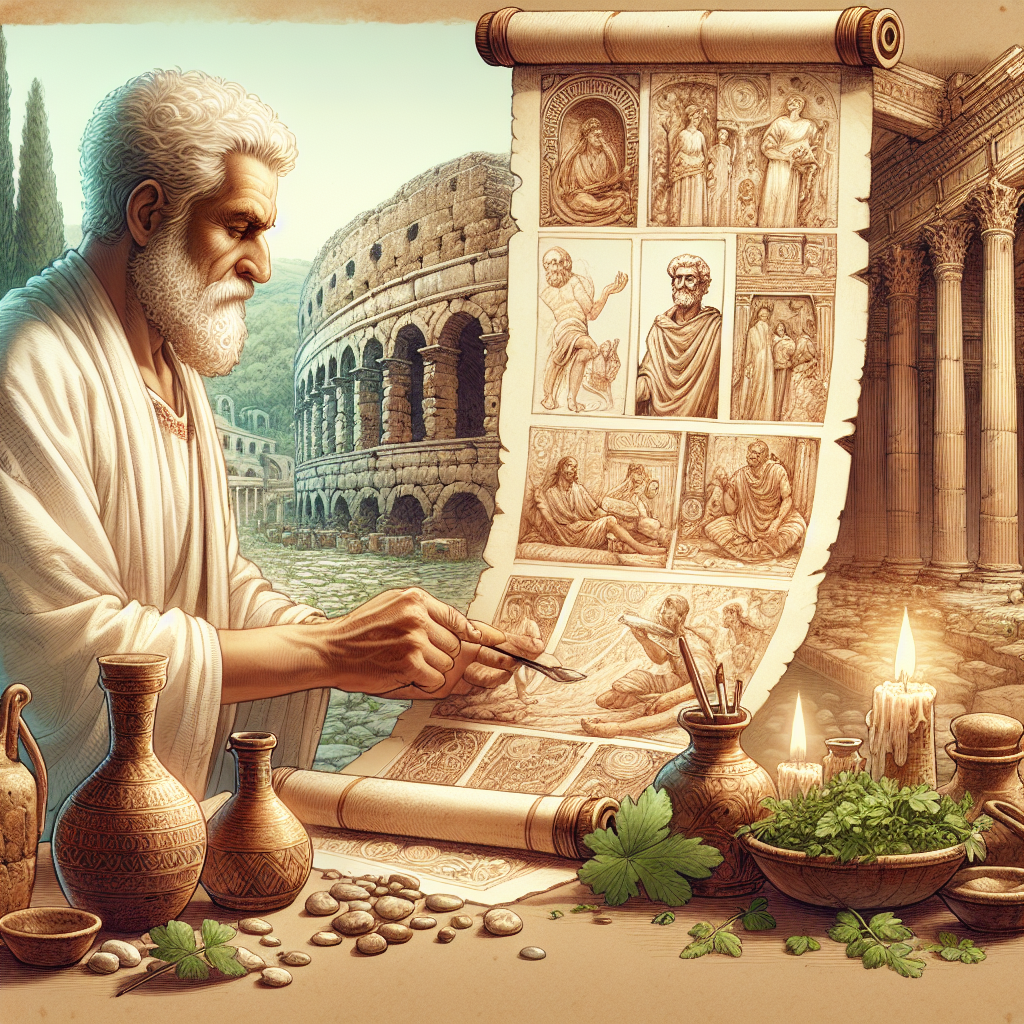
In ancient Rome, healing practices were deeply intertwined with mythology, religion, and culture. Myths played a critical role in the way Romans understood health, illness, and the means of restoration. This article explores the different ways in which myth interweaved with medical practices in ancient Rome, shaping beliefs, rituals, and societal behaviors surrounding health care.
The Intersection of Medicine and Myth
Roman medicine was a complex tapestry woven from various cultural influences, notably Greek medicine, Etruscan beliefs, and local traditions. As Romans encountered different peoples through conquests and trade, they absorbed medical knowledge and mythological narratives, creating a multifaceted healing system. At the center of this body of beliefs was the idea that health and disease were governed by divine forces. Myths provided a framework through which individuals could understand their ailments, find hope, and seek cures.
Healing Deities
The Romans revered a pantheon of gods and goddesses associated with health, healing, and medicine. The most notable among them were Asclepius and his daughter Hygea. Asclepius, originally a Greek deity, was eventually adopted into Roman religion and became widely recognized as a god of healing. His temples, known as Asclepiadae, became places of pilgrimage where individuals sought divine intervention for their illnesses.
Myths surrounding Asclepius often depicted him as a skilled healer, learning the art of medicine from Chiron, the centaur known for his wisdom and knowledge. These narratives reinforced the idea that healing was a divine gift, and through prayers and rituals at Asclepius’ temples, people believed they could receive his blessings. Pilgrims would often spend nights in the temple, hoping for a dream or vision that would offer guidance or healing.
Hygea, the embodiment of health and cleanliness, represented the more practical aspects of health maintenance. Myths centered around her emphasized the importance of hygiene, diet, and lifestyle. The Romans would invoke her through rituals to seek protection from diseases, particularly during times of epidemics. The cult of Hygea also illustrates the integration of mythology into public health practices, highlighting the belief that spiritual and physical well-being were interconnected.
Rituals and Superstitions
Mythology influenced the rituals and superstitions that accompanied healing practices. Romans believed that certain rites could avert evil spirits and divine displeasure, both of which were often blamed for illnesses. Amulets inscribed with divine names or myths provided protection against malevolent forces. One of the most common practices was the recitation of prayers and the offering of sacrifices to the gods for healing.
Specific myths were invoked during these rituals. For instance, the story of Aesculapius bringing the dead back to life resonated with many seeking hope for recovery. This narrative was displayed in various forms of art, such as frescoes in healing temples, which further engrained the idea that divine intervention was possible.
In addition to prayers and sacrifices, Romans utilized rituals that involved the use of water, herbs, and other natural elements believed to hold divine properties. Baths, often associated with purification and healing, were performed with the intent of invoking the gods’ favor. This spiritual dimension of healing was crucial; it emphasized that good health was not merely a physical state but required moral and spiritual components as well.
Medical Practitioners: Priest-Healers and Physicians
In ancient Rome, medical practitioners were often a blend of priests and physicians. The priest-healer held a position of significant authority, possessing both religious and medical knowledge. They would perform rituals, offer sacrifices, and prescribe remedies, seamlessly merging myth with medicine. For instance, a priest might invoke a particular deity associated with healing, while simultaneously utilizing herbal or medicinal treatments.
As time progressed, the role of physicians became more defined and secular. Yet, the impact of mythology on their practices remained evident. Renowned physicians like Galen were influenced by earlier mythological narratives, integrating them with empirically based medical theories. Their writings often included references to mythological figures and tales, thus reinforcing the importance of these narratives in the discourse surrounding medicine.
Myths of the Body and Health
The Romans had a comprehensive understanding of the body, often reflected in the myths and stories they told. The belief in the concept of humors—blood, phlegm, yellow bile, and black bile—was shaped by earlier Greek theories but adapted within Roman culture. Myths explained imbalances in these humors as the consequence of divine retribution or nature’s chaos, further emphasizing the need for spiritual purity alongside physical remedies.
For instance, stories that emphasized virtues such as moderation and self-control were used to advocate for a balanced lifestyle—essentially a mythological justification for healthy living. By aligning moral virtues with physical health, these myths encouraged individuals to pursue holistic well-being.
Conclusion: A Lasting Legacy
The role of myth in the healing practices of ancient Rome illustrates the profound connection between culture, belief, and health. Myths not only provided explanations for ailments but also created a communal sense of hope and rituals that integrated both spiritual and physical aspects of healing. The legacy of these practices is still evident today; modern health care systems continue to incorporate cultural beliefs and practices, adapting them to fit contemporary understandings of wellness.
Ancient Roman healing practices remind us that health is not merely a biological state but a multidimensional interplay of body, mind, and spirit. The intertwining of myth and medicine in ancient Rome is not just a relic of the past, but a foundational aspect that continues to influence modern approaches to health, illness, and healing. Through understanding these connections, we come to appreciate the enduring power of myth in shaping human experience and identity in the realm of health and well-being.