The Representation of Myth in Roman Coins and Medals
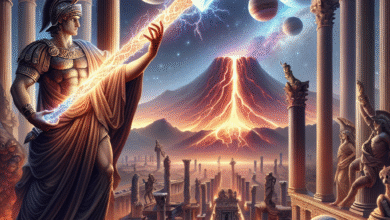
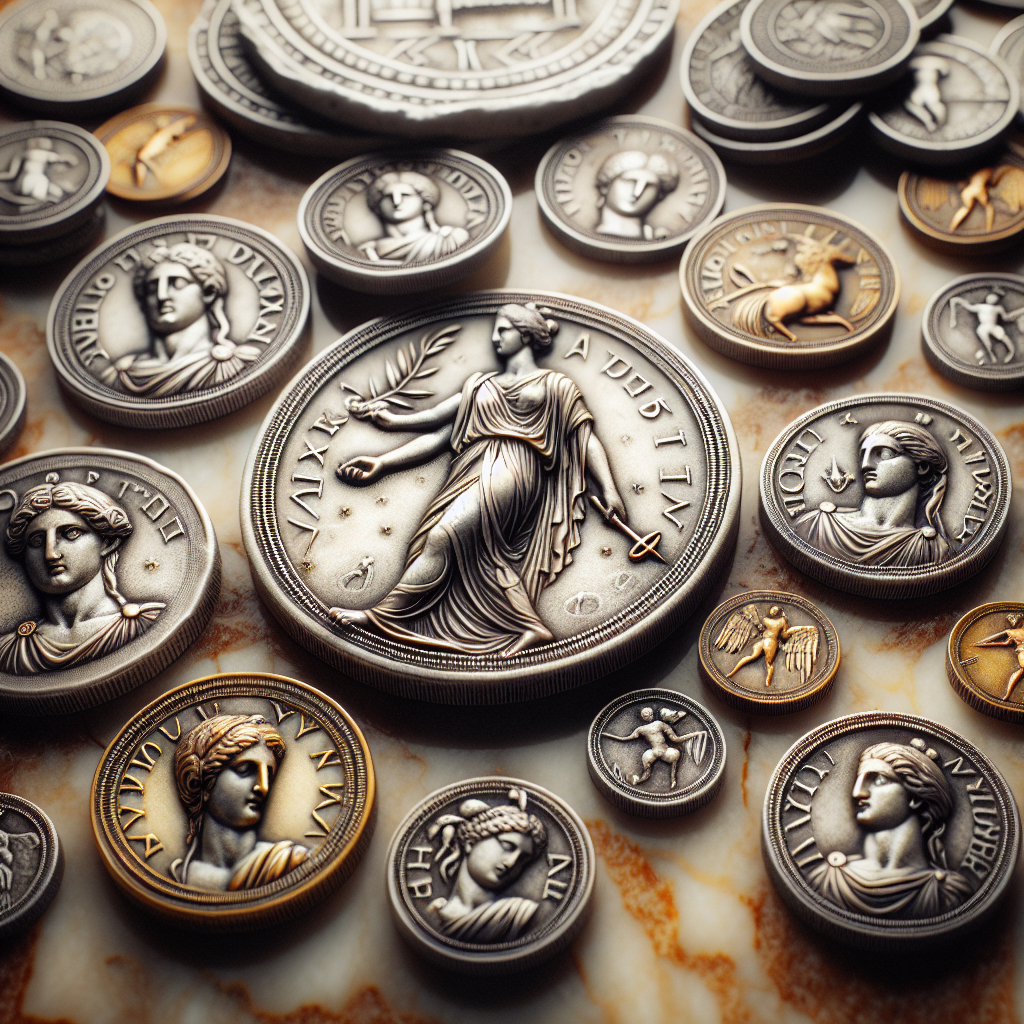
The study of Roman coins and medals offers a fascinating glimpse into the cultural, political, and social values of ancient Rome. Among the myriad of designs that graced these metallic artifacts, the representation of myth played a pivotal role in conveying messages of power, legitimacy, and divine favor. The integration of mythological imagery into numismatics not only served decorative purposes but also acted as a medium for propaganda and identity formation across various eras of Roman history.
Historical Context of Roman Coins and Medals
The origins of Roman coinage date back to the late 4th century BCE, with the advent of the denarius becoming a significant milestone in currency history. Roman coins served various purposes, including facilitating trade, paying armies, and commemorating significant events. The imagery on coins was largely intended to communicate the ethos of those in power, immortalizing their achievements and asserting their divine right.
Throughout the Roman Republic and the subsequent Empire, leaders employed an array of motifs, including allegories, symbols, and mythological figures, to project authority. What emerged was a rich tapestry of representative art that drew heavily on the mythology of both Rome itself and the broader Greco-Roman pantheon.
Mythology as a Tool of Propaganda
Mythological representation on coins frequently aimed to validate the authority and achievements of emperors. The portrayal of divine figures, such as Jupiter, Venus, or Apollo, conveyed the idea that the rulers were either favored by the gods or embodied their qualities. For example, the frequently depicted image of Jupiter – the king of the gods – was often shown in a majestic pose, suggesting that the emperor was under divine protection or endorsement.
One notable example of this tactic is found in the coinage of Emperor Augustus, who famously associated himself with divine lineage by connecting his family tree to the goddess Venus. By issuing coins that depicted Venus, Augustus not only reinforced his legitimacy as the ruler of Rome but also its divine foundations. It signaled to the populace that their leader was not merely a political figure but a man chosen by the gods.
The Role of Myth in Cultural Identity
Mythological figures served as communal symbols ingrained in the collective identity of the Roman people. The gods and heroes depicted on coins evoked a shared cultural heritage steeped in tradition. This imagery served to remind the citizens of their storied past and instilled feelings of unity and patriotism.
The heroic figures from Rome’s storied past, such as Romulus and Remus, appeared on various denominations, helping to reinforce the narrative of Rome as a divinely favored city with a unique destiny. Coins depicting the she-wolf nursing the twins served as powerful reminders of Rome’s origins and emphasized the value attributed to its foundational myths.
Regional Influences and Adaptations
As the Roman Empire expanded, the integration of local cults and deities into the numismatic tradition reflected the complexities of Roman identity. Conquered territories often retained elements of their native cultures, which in turn influenced Roman coin designs. The depiction of regional gods and mythological figures became common, symbolizing the Roman commitment to respecting local traditions while reinforcing their dominance.
For example, coins minted in the provinces later in the empire often depicted local deities alongside traditional Roman imagery. This practice not only facilitated better relations with conquered peoples but also served to incorporate diverse cultures into the Roman identity, which was characterized by a remarkable level of pluralism and adaptation.
Commemorative Medals and Myth
The issuance of celebratory medals (often considered the non-circulating currency) also demonstrated the use of mythological themes to cement political power. Medals commemorating military victories frequently depicted mythological scenes, emphasizing the heroism of the soldiers and linking their bravery to the epic tales of the gods.
For instance, the famous “Secular Games” medal, minted by Augustus in 17 BCE, integrated imagery of Apollo, Venus, and other deities to celebrate the renewal of Roman tradition after a tumultuous period. Such medals not only commemorated events but also reinforced the narrative of a magical, renewed Rome led by a ruler favored by the gods.
Artistry and Iconography
The artistic execution employed to create mythological representations on coins and medals was both sophisticated and nuanced. The skilled engravers who designed these works balanced realism with idealized representations to create images that appealed to the viewer’s emotions and desires. Through intricate detailing, the emotion of the mythological scene could be vividly conveyed, whether it was the rage of Mars in battle or the serenity of Minerva imparting wisdom.
In addition to the imagery, the inscriptions accompanying these depictions lent further meaning. They often contained messages of valor, success, or divine favor, enhancing the storytelling aspect inherent in every piece. For instance, phrases invoking the cleanliness of virtues or the strength of the emperor were as important as the visuals themselves in crafting a cohesive narrative.
Conclusion
The representation of myth in Roman coins and medals serves as a potent reminder of how currency transcends mere economic functions to become a canvas for political expression, cultural identity, and historical narrative. As instruments of propaganda, they reinforced the authority of rulers while simultaneously reflecting the values and beliefs of the society at large.
The enduring legacy of these numismatic works resides in their intricate amalgamation of art, politics, and culture. Through the lens of myth, we glimpse not just the past glories of Rome, but also the universal human fascination with stories that help shape and define civilizations. The coins and medals of ancient Rome encapsulate these narratives, making them invaluable artifacts that continue to inform and intrigue modern scholars and enthusiasts alike.