The Serpent and the Hero: Myths from Ancient Greece
The Serpent and the Hero: Myths from Ancient Greece
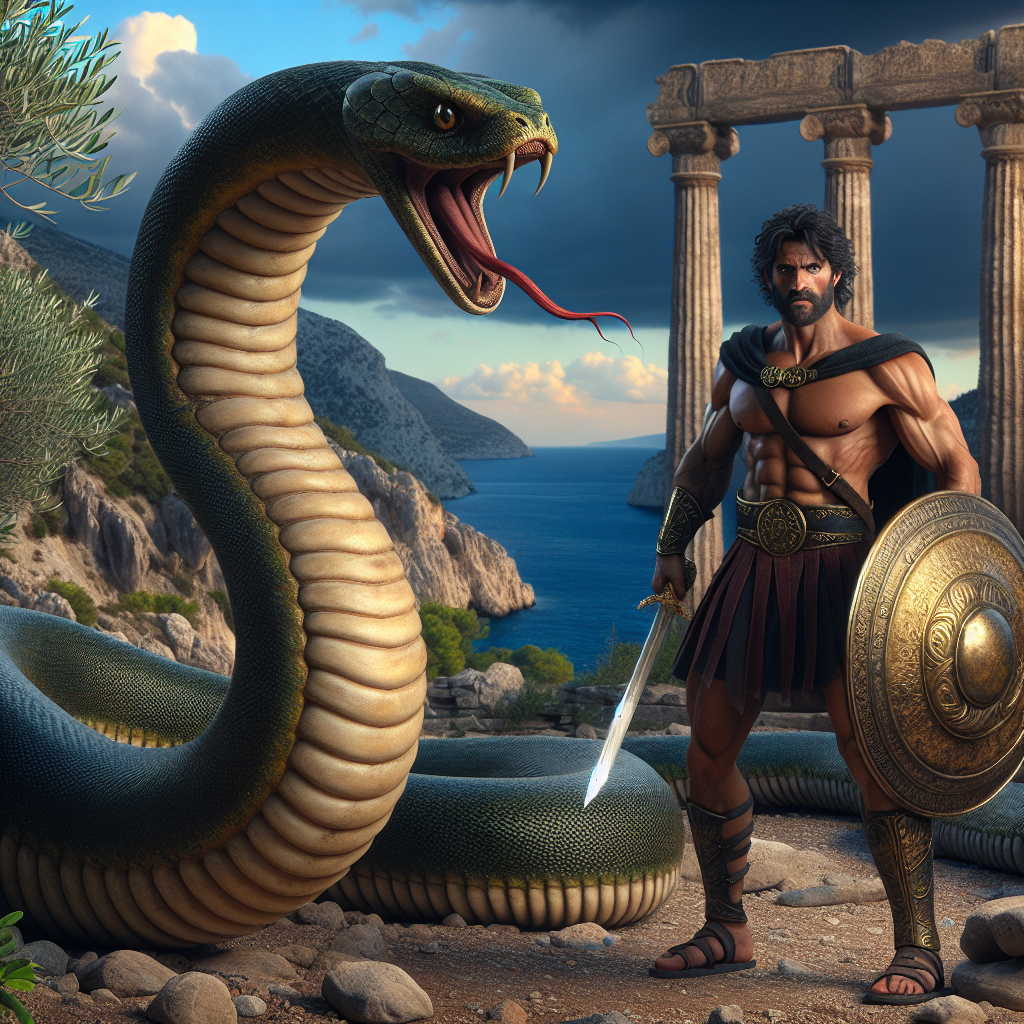
Mythology has always been a lens through which cultures understand the world, revealing societal values, fears, and aspirations. Ancient Greece, with its pantheon of gods, demigods, and mythical creatures, offers a rich tapestry of stories that intertwine themes of heroism and the struggle against chaos. One of the most captivating motifs found within these tales is the relationship between the serpent and the hero, serving as a potent symbol of the dualities of life: order versus chaos, good versus evil, and civilization versus barbarism.
The Hero’s Journey
In many Greek myths, the hero embarks on a journey that exemplifies personal growth and valor. Heroes like Heracles, Theseus, and Perseus often confront monstrous beings—symbolized frequently by serpentine creatures—representing the chaotic forces in the universe that threaten societal order. The transformation from ordinary individuals to legendary figures involves overcoming trials, and in these narratives, serpents play a pivotal role.
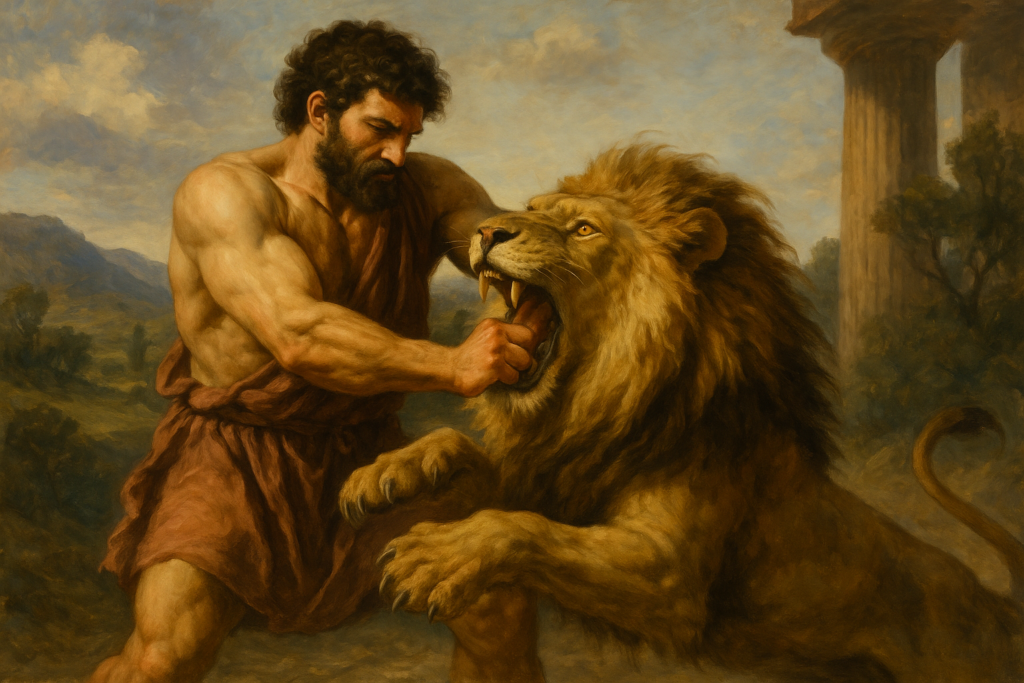
Heracles, perhaps the most famous of Greek heroes, meets numerous serpentine entities throughout his Twelve Labors. Among them, when he faces the Lernaean Hydra, a serpentine creature with regenerative abilities, he must use both brute strength and intellect. This labor epitomizes the hero’s archetype: the challenge against chaos wherein Heracles must harness not just his physical strength but strategic acumen to emerge victorious. Each head he severs grows two more, illustrating the persistent nature of chaos that heroes must combat. The myth underscores that overcoming one’s struggles—be they internal or external—requires more than mere physical prowess; it involves adaptability and cleverness.
The Symbolism of the Serpent
The serpent holds complex symbolism in Greek mythology. Revered and feared, it embodies both danger and wisdom. Snakes are often associated with the earth, fertility, and renewal, as seen in the symbolism of the snake shedding its skin. This regenerative quality parallels the transformative journeys of heroes. In contrast, serpents can also signify deception and chaos, exemplified in the myth of the Gorgon, Medusa. Perseus, tasked with defeating her, symbolizes the hero’s confrontation with the monstrous, where the serpent metaphorically represents the dark, chaotic forces that prey on human vulnerabilities.
Medusa, once a beautiful maiden, becomes a terrifying figure after a curse by the goddess Athena. When Perseus beheads her, he does not merely vanquish a monster; he liberates the world from a threat, showcasing the hero’s role as a protector of civilization. Yet, even in victory, the hero must grapple with the consequences of their actions. The severed head of Medusa retains power, blurring the line between destruction and the potential for further chaos, illustrating that heroes must constantly navigate the thin line between order and disorder.
The Cosmic Dance: Chaos and Order
The tension between chaos and order is a recurring theme in the mythologies of ancient cultures, with the serpent as a symbol of this struggle. In Greek cosmology, the primordial forces of Chaos give birth to Gaia (Earth), Uranus (Sky), and, subsequently, a multitude of beings, including serpentine creatures. The Greek creation myths often depict the emergence of order from chaos, representing the human desire for stability amid the uncertainties of life.
The Titan Typhon, often depicted as a monstrous serpent, embodies this chaos. He challenges the Olympian gods, seeking to overthrow Zeus and disrupt the cosmic order. In the battle that ensues, Zeus not only defeats Typhon but seals him beneath Mount Etna, thus restoring balance. This myth illustrates that the hero—or the divine hero in this case—must confront formidable chaos to maintain harmony in the world.
The Legacy of the Hero and the Serpent
The story of the serpent and the hero extends beyond individual myths; it resonates through the cultural memory of ancient Greece and beyond. The hero’s victory over chaotic forces resonates with citizens, as they envision their own societal struggles and aspirations for safety and prosperity. These tales functioned as moral parables and sources of inspiration, infusing the collective identity of ancient Greeks with ideals of bravery, resilience, and ingenuity.
Moreover, these myths have left an enduring impact on literature, art, and psychology. Joseph Campbell’s concept of the “hero’s journey” encapsulates the universal narrative arc found across various cultures, articulating a pattern where the hero faces trials, often against monstrous entities, leading to transformation and enlightenment. This framework illuminates the timeless nature of these myths, reminding contemporary society of the persistent battles between chaos and order, both within ourselves and in the world around us.
Conclusion
The mythology of ancient Greece, particularly the emblematic relationship between the serpent and the hero, speaks volumes about the human condition. These tales encapsulate the universal themes of struggle, transformation, and the quest for order amid chaos. Through the emblematic battles against serpentine foes, heroes personify humanity’s enduring desire to confront and reconcile with the darker aspects of existence.
For students of mythology, literature, and the human psyche, the stories of ancient Greece continue to captivate and inspire. The heroic journeys undertaken by figures like Heracles and Perseus remind us not just of the perils we face externally, but the internal struggles we must navigate. In an ever-changing world, the mythic interplay of the serpent and the hero remains a timeless metaphor for the challenges we encounter, urging us to embrace our own journeys of transformation.
Recommended reading
These are affiliate links. If you buy through them, we may earn a commission at no extra cost to you.
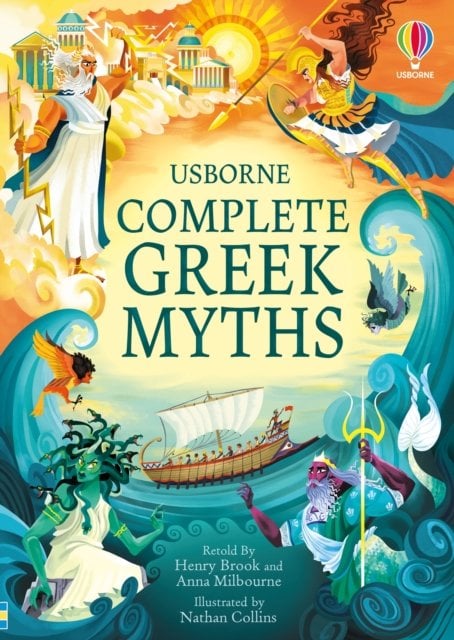
Complete Greek Myths: An Illustrated Book of Greek Myths
Featuring detailed retellings, beautiful character illustrations, and cultural background, this comprehensive volume brings the best-known and obscure Greek myths to life for readers of all ages. Complete with maps, a glossary, and a QR code for pronunciation guides and extra resources, it is an essential addition to any family bookshelf.
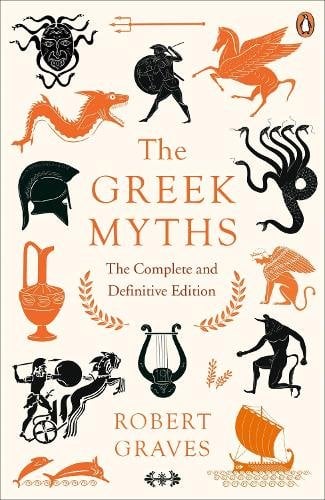
The Greek Myths: The Complete and Definitive Edition
Robert Graves’s definitive edition weaves the classic Greek myths, from the Labours of Hercules to the Trojan War, into one sweeping, authoritative narrative. Perfect for both first-time readers and classicists, this comprehensive volume combines engaging storytelling with detailed scholarly commentary and a complete index of names.
The Odyssey
Homer’s timeless epic The Odyssey follows the hero Odysseus on a perilous decade-long journey home from Troy, facing mythical monsters and divine wrath. Meanwhile, his wife Penelope and son Telemachus defend their kingdom against ruthless suitors in this classic tale of loyalty and endurance.