The Four Seasons: Myths Inspired by Nature’s Cycles
The Four Seasons: Myths Inspired by Nature’s Cycles
The cycle of the four seasons—spring, summer, autumn, and winter—is one of the most profound natural rhythms in human history. Each season brings distinct changes in the environment, influencing not just agricultural practices but also cultural narratives and mythologies across the globe. From ancient civilizations to modern interpretations, these seasonal transitions inspired myths and stories that reflect humanity’s relationship with nature.
Spring: The Awakening of Life
Spring symbolizes rebirth, renewal, and the awakening of life after the harshness of winter. In many cultures, this season is celebrated through festivals and rituals honoring fertility, growth, and the arrival of warmth. One of the most famous myths related to spring comes from Greek mythology: the story of Persephone.
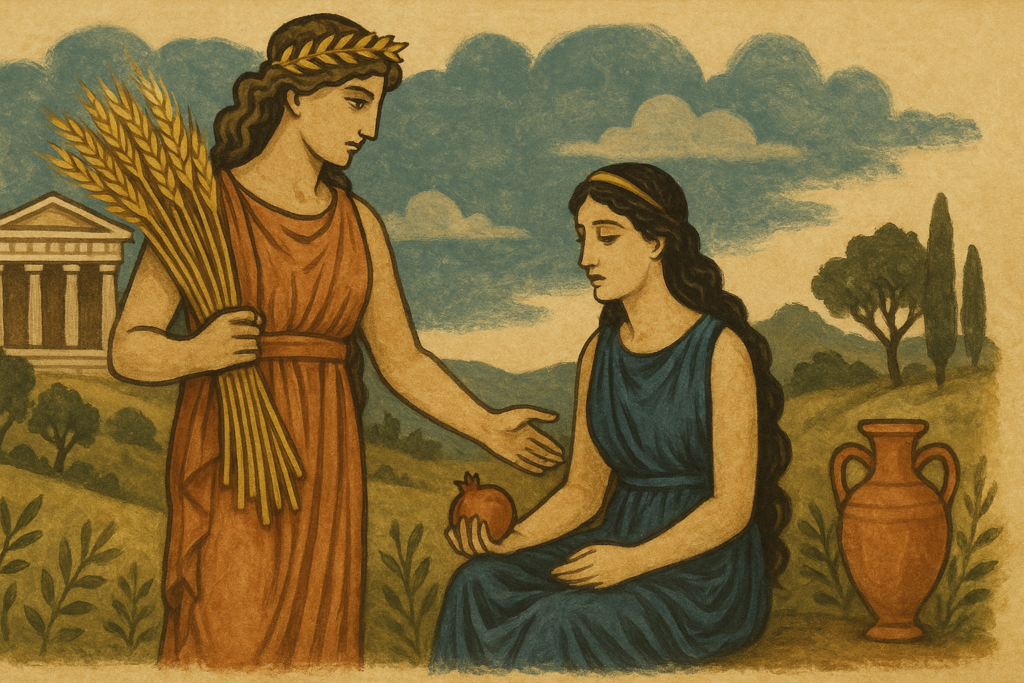
Persephone, the daughter of Demeter (the goddess of agriculture), is taken to the underworld by Hades, the god of the dead. Demeter’s grief causes the earth to wither, leading to eternal winter. Eventually, a compromise is reached whereby Persephone spends half of the year with Hades and half with her mother. During the months when Persephone is on earth, Demeter allows crops to grow, marking spring and summer. This myth beautifully encapsulates the duality of life and death, as well as the cyclical nature of existence, mirroring the season’s themes of renewal and growth.
In many cultures, spring festivals, such as Holi in India, the Spring Equinox in various ancient cultures, and Easter in Christianity, symbolize similar themes of rebirth and hope. These celebrations are often characterized by vibrant colors, festive foods, and communal gatherings, all representing the awakening of life.
Summer: The Height of Vitality
As spring turns to summer, the world bursts into full bloom, characterized by vibrant colors and abundant life. This season often represents love, vitality, and passion in various mythologies. In ancient Rome, the festival of Lupercalia celebrated fertility and the coming of summer, during which young men would sacrifice goats and run through the streets, striking women as a symbol of fertility and good fortune.
In Greek mythology, summer is often associated with the goddess Aphrodite, whose name translates to “foam-born.” Through her connection to love and beauty, she embodies the essence of summer, where relationships flourish and the earth is at its most fertile. The myths surrounding Aphrodite often tell tales of romance, desire, and the transformative power of love, mirroring the intense emotions that summer can evoke.
The associations of summer with celebration are evident worldwide. The summer solstice, celebrated in various cultures, honors the longest day of the year and often involves rituals involving light, fire, and gratitude for abundance. The vibrant energy of summer is an essential part of human experience, reflected in our stories and myths.
Autumn: The Season of Harvest and Reflection
As summer fades, autumn emerges, bringing a time of transition, harvest, and reflection. This season is often seen as a metaphorical representation of aging and wisdom, as it embodies both the beauty of change and the inevitability of loss. Various myths highlight these themes, particularly those surrounding the harvest.
In harvest festivals worldwide—such as the Jewish festival of Sukkot or the Chinese Mid-Autumn Festival—gratefulness for the bounty of the earth is a predominant theme. These celebrations are often accompanied by stories that highlight the balance between abundance and scarcity, reflecting the cyclic nature of life.
The festival of Samhain, celebrated by ancient Celts, marks the transition from the harvest season to winter and is thought to be a time when the veil between the living and the dead is thinnest. This myth captures the essence of autumn as a time for reflection and honoring ancestors, echoing the bittersweet nature of the season. The beauty of falling leaves serves as a reminder that while life is transient, it is also a time for gratitude and reverence for what has been given.
Winter: The Depths of Stillness and Contemplation
Winter stands in stark contrast to the vibrant energy of summer and the growth of spring. It represents stillness, introspection, and resilience. The harshness of winter often symbolizes death and dormancy, yet it also fosters renewal as the earth lies in wait for the return of warmth. Myths surrounding winter often explore themes of survival, hope, and the promise of rebirth.
In ancient Norse mythology, the god Odin rides through the winter nights, embodying the spirit of wisdom and exploration. The long nights of winter have often inspired stories of courage and endurance, with figures like Odin symbolizing the quest for knowledge and understanding, even in darkness.
In Christianity, winter is powerfully represented in the story of Jesus’ birth, celebrated during the winter solstice. This narrative represents hope and light penetrating the darkness, resonating with the contemplative spirit of the season. The Christmas season, filled with themes of giving, family, and warmth, highlights the importance of community and connection during the coldest months.
Winter festivals, such as Yule in pagan traditions, embrace the return of the sun and light, symbolizing the renewal that will come with spring. These celebrations often include rituals that honor the cyclical nature of life, connecting individuals with nature and the cosmos.
The Cycles of Nature Reflected in Mythology
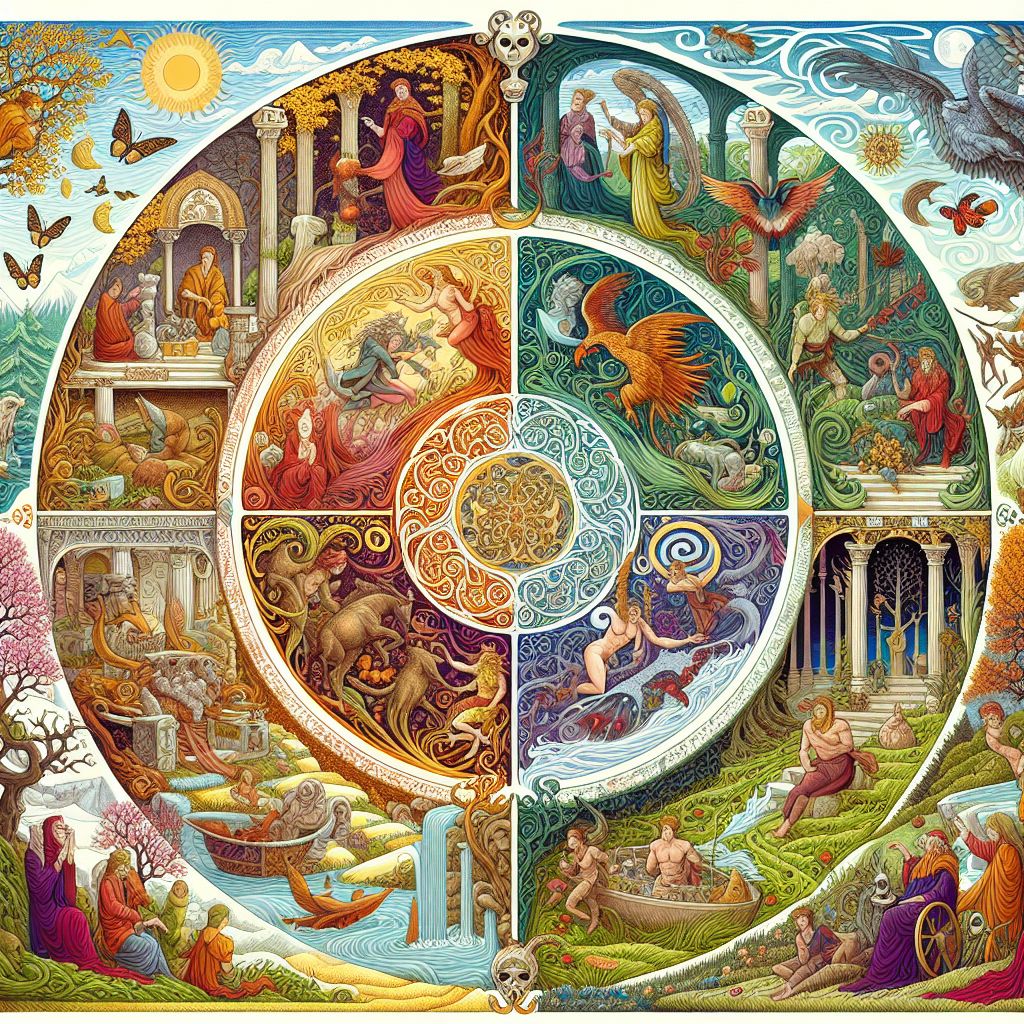
The myths inspired by the seasons reveal humanity’s deep connection to nature and elucidate our understanding of life’s cycles. Each season offers unique lessons and stories reflecting our experiences—rebirth in spring, vitality and love in summer, reflection and gratitude in autumn, and introspection and hope in winter.
Through storytelling and mythmaking, we find meaning and connection not only with each other but also with the natural world. These narratives remind us of the inevitable progression of time and the beauty inherent in each phase of life. As the seasons continue to turn, they remind us to honor our place within this grand cycle, urging respect for the earth and acceptance of the passages of our own lives.
In embracing the myths inspired by nature’s cycles, we cultivate a richer understanding of our existence, drawing lessons from the past to inform our present and hope for our future. Whether through ancient legends or contemporary tales, the four seasons inspire a profound reverence for the intricate dance of life, death, and renewal that defines the human experience.
Recommended reading
These are affiliate links. If you buy through them, we may earn a commission at no extra cost to you.
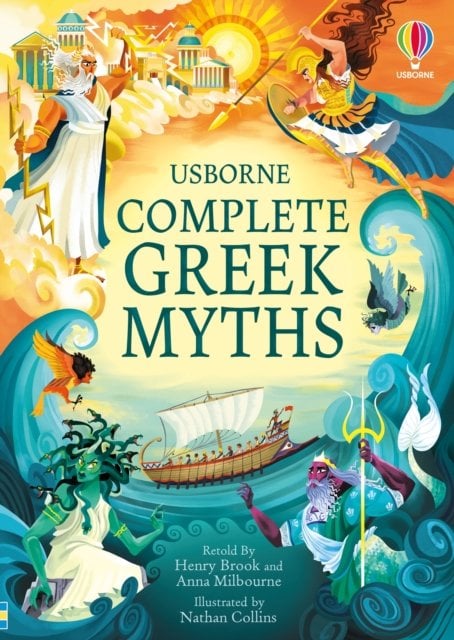
Complete Greek Myths: An Illustrated Book of Greek Myths
Featuring detailed retellings, beautiful character illustrations, and cultural background, this comprehensive volume brings the best-known and obscure Greek myths to life for readers of all ages. Complete with maps, a glossary, and a QR code for pronunciation guides and extra resources, it is an essential addition to any family bookshelf.
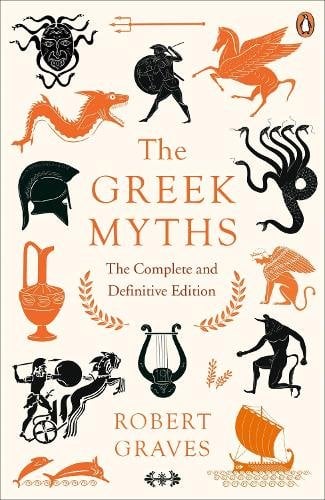
The Greek Myths: The Complete and Definitive Edition
Robert Graves’s definitive edition weaves the classic Greek myths, from the Labours of Hercules to the Trojan War, into one sweeping, authoritative narrative. Perfect for both first-time readers and classicists, this comprehensive volume combines engaging storytelling with detailed scholarly commentary and a complete index of names.

The Odyssey
Homer’s timeless epic The Odyssey follows the hero Odysseus on a perilous decade-long journey home from Troy, facing mythical monsters and divine wrath. Meanwhile, his wife Penelope and son Telemachus defend their kingdom against ruthless suitors in this classic tale of loyalty and endurance.