Pan and the Origins of Panic in Mythology

Pan and the Origins of Panic in Mythology
The figure of Pan, the ancient Greek god of the wild, shepherds, and flocks, occupies a unique position within the pantheon of mythology. Characterized by his half-human, half-goat appearance, Pan embodies the duality of nature—both nurturing and chaotic. His influences extend beyond nature into the realm of human emotion, giving rise to the term “panic,” which is intertwined with his very essence. This article explores the origins of Pan in mythology and examines how this figure came to symbolize sudden, irrational fear.
The Mythological Roots of Pan
Pan is often depicted as a rustic deity, inhabiting the tranquil spaces of forests, mountains, and pastures. In art and literature, he is represented as having the legs, horns, and beard of a goat, reminiscent of fauns or satyrs. Although his origins remain somewhat obscure, Pan appears in ancient sources as early as the Homeric hymns, where he is portrayed as a mischievous and playful being who delights in music and dancing.
Pan’s character embodies the untamed, primal aspects of the natural world. He serves as a protector of the shepherds and their flocks, reflecting a deep connection to pastoral life. However, alongside this benevolence lies a darker side—his presence is often accompanied by an unsettling sense of disquiet. The very name “Pan” can be interpreted as “all” in Greek, indicating that he is a god of all things wild and free, as well as those unsettling forces that lurk beneath the serene surface of nature.
The Birth of Panic
The term “panic” derives from Pan, specifically from his capacity to invoke fear and trepidation. In mythology, there are numerous stories illustrating how Pan could induce a sudden and overwhelming sense of terror in humans and animals alike.
One of the most notable myths involves Pan’s encounter with the shepherds. According to legend, while Pan roamed the wilderness, he stumbled upon a group of shepherds who were caught unaware during a quiet moment of leisure. As they reveled in music and conversation, Pan suddenly appeared, his laughter echoing through the hills. His unexpected presence frightened the shepherds into a frenzied escape, instilling a fright that would take a lifetime to forget. This episode illustrates how Pan’s unpredictable nature could lead to what we now understand as a panic response—an unreasoned flight from perceived danger.
The Greeks understood this phenomenon, coining the term “panikon diron,” or “the sudden fear of Pan.” This phrase captures the essence of an unexpected fright, especially among those stranded in wilderness settings or facing dangers beyond their control. In many ways, Pan symbolizes something primal within the human psyche—a fear born from the unknown, erupting suddenly and without reason.
Pan in Literature and Art
Throughout history, Pan’s influence has pervaded literature, art, and philosophy. Renaissance artists and poets often portrayed him as a symbol of nature’s duality—at once beautiful and terrifying. His flute-playing became synonymous with the melancholy serenade of nature, but also invoked a sense of foreboding that reflected humanity’s struggles with inner fears and madness.
The Romantic poets, including William Wordsworth and Samuel Taylor Coleridge, continued to draw on Pan’s complexity, emphasizing his freedom and wildness. They viewed him not merely as a source of terror but as an embodiment of nature’s raw power—both beautiful and frightening at the same time. In Coleridge’s work, Pan evolves into a figure of inspiration, sparking creativity while also channeling deeper existential angst.
Psychological Interpretations of Panic
From a psychological standpoint, the myth of Pan aligns with contemporary understandings of panic attacks. Much like the sudden, unprovoked fear the Greeks attributed to Pan, modern panic attacks arise unexpectedly and can lead to overwhelming feelings of dread. Researchers have explored the physiological and psychological triggers behind these episodes, discovering that certain stimuli—both real and imagined—can manifest as panic responses.
For instance, the fear of being alone in nature, a sentiment akin to that possessed by the shepherds in Pan’s stories, resonates with individuals today. It evokes a primal fear that comes from centuries of humanity’s reliance on closely-knit communities for survival. The unpredictability that Pan embodies can also mirror the uncertainty of contemporary life, leading individuals to confront their most profound anxieties.
Pan as an Archetype
Pan serves as an archetype representing nature’s raw forces—both nurturing and chaotic. His ability to evoke panic reveals the inherent tension within the human condition; we are drawn to nature’s beauty yet wary of its capriceness. In modern interpretations, Pan emerges not only as a symbol of irrational fear but also as a reminder of the natural world’s unmatched potency, capable of instilling both tranquility and terror.
The broader implications of Pan extend beyond the individual; they speak to society’s relationship with nature. As urbanization grows and people become increasingly detached from the natural world, the ancient fears embodied by Pan re-emerge. Panic in contemporary society often centers around existential threats, ranging from environmental crises to personal isolation. In this light, Pan stands as a poignant reminder of the primal connection we share with the earth—a connection that can still surface in unexpected and alarming ways.
Conclusion
Pan’s legacy endures through his embodiment of fear and humanity’s intricate relationship with nature. His mythological roots, coupled with the emotion that bears his name, illustrate the complex interplay between beauty and terror inherent in the natural world. As both a protector and a harbinger of panic, Pan continues to occupy a unique space in cultural narratives, inviting exploration into what lies beneath the surface of our fears and the wilderness around us. Whether through tales from antiquity or modern psychological insights, the story of Pan invites reflection on our inherent vulnerabilities, revealing the delicate balance between admiration and trepidation that defines the human experience amidst nature’s untamed spirit.
Recommended reading
These are affiliate links. If you buy through them, we may earn a commission at no extra cost to you.
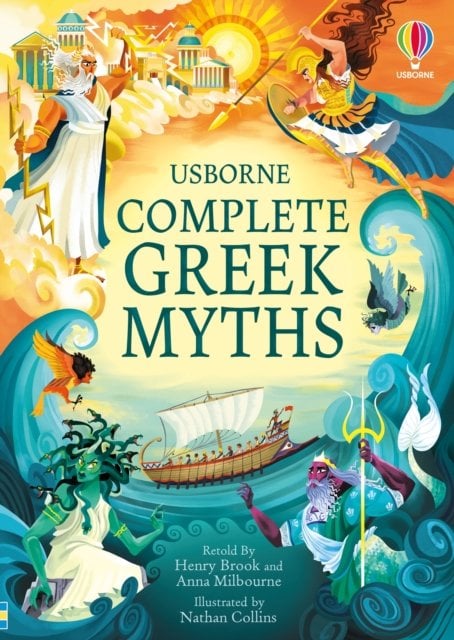
Complete Greek Myths: An Illustrated Book of Greek Myths
Featuring detailed retellings, beautiful character illustrations, and cultural background, this comprehensive volume brings the best-known and obscure Greek myths to life for readers of all ages. Complete with maps, a glossary, and a QR code for pronunciation guides and extra resources, it is an essential addition to any family bookshelf.
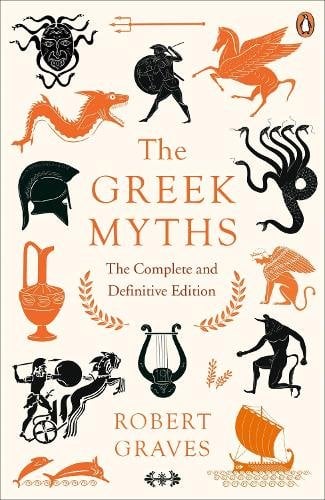
The Greek Myths: The Complete and Definitive Edition
Robert Graves’s definitive edition weaves the classic Greek myths, from the Labours of Hercules to the Trojan War, into one sweeping, authoritative narrative. Perfect for both first-time readers and classicists, this comprehensive volume combines engaging storytelling with detailed scholarly commentary and a complete index of names.
The Odyssey
Homer’s timeless epic The Odyssey follows the hero Odysseus on a perilous decade-long journey home from Troy, facing mythical monsters and divine wrath. Meanwhile, his wife Penelope and son Telemachus defend their kingdom against ruthless suitors in this classic tale of loyalty and endurance.