Oedipus Rex: A Tragic Hero in Myth and Play
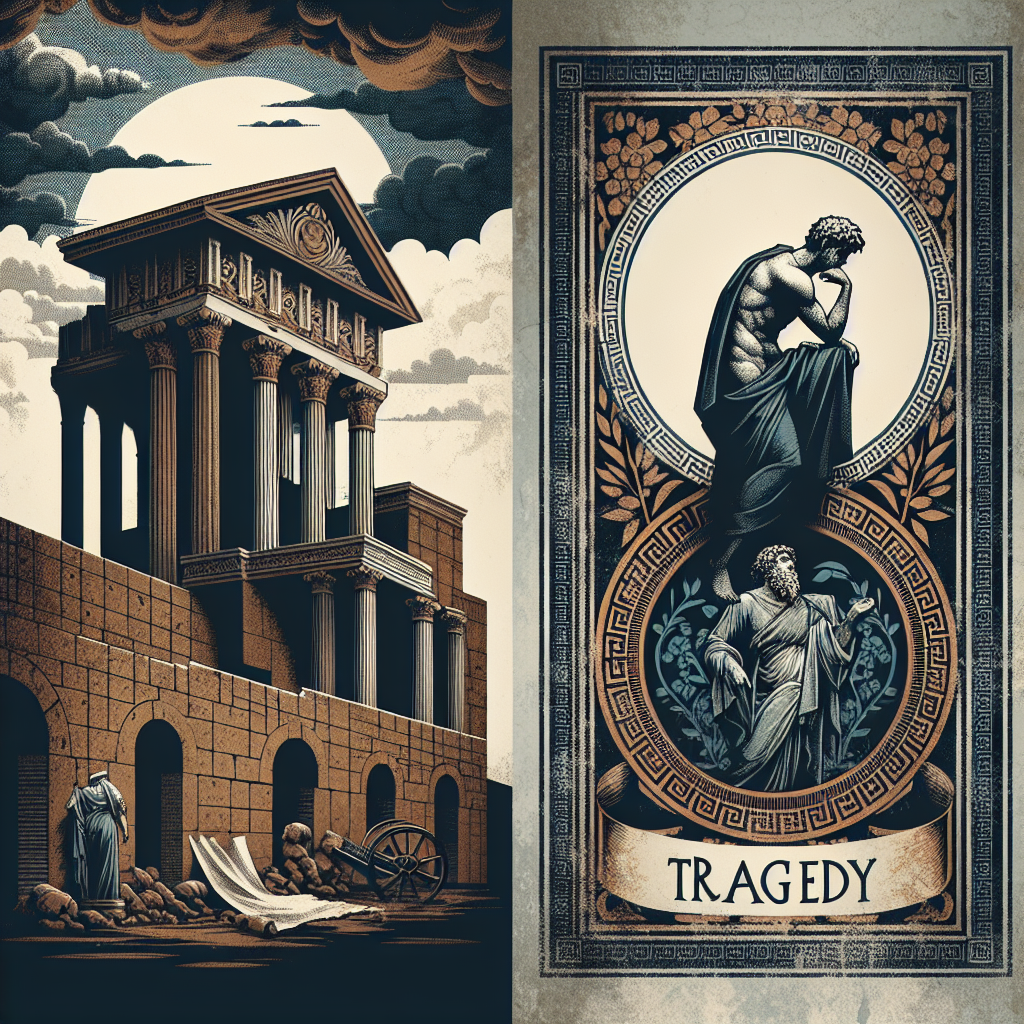
The figure of Oedipus, a tragic hero ensnared in fate and identity, has captivated audiences for centuries. With its rich narrative woven into the fabric of ancient Greek mythology and theater, “Oedipus Rex” by Sophocles remains a seminal work that examines the intricacies of knowledge, fate, and human flaws.
The Origins of Oedipus
At the heart of the myth is the prophecy that foretells Oedipus will kill his father and marry his mother. Born to King Laius and Queen Jocasta of Thebes, Oedipus becomes the unwitting pawn of fate when his parents, desperate to avoid the prophesied calamity, abandon him on a mountainside. However, he is rescued and adopted by the King and Queen of Corinth. Unbeknownst to him, he is far from free from the prophecy; the very act of escaping his origins sets off a tragic chain of events.
The Tragic Hero Archetype
Oedipus embodies the archetype of a tragic hero – a noble character with a fatal flaw (hamartia) that ultimately leads to his downfall. His hubris, or excessive pride, manifests in his determination to outsmart fate. He sets out to rid Thebes of a plague by discovering the murderer of the previous king, Laius. In his quest for truth, Oedipus exhibits qualities of intelligence and bravery; however, his noble intentions are overshadowed by his inability to confront the reality of his past.
Sophocles portrays Oedipus as a man of action, quick to leap to conclusions and confident in his abilities. His famous declaration, “I will fight for the truth,” reverberates throughout the play, highlighting the paradox of his pursuit. Oedipus’s commitment to uncovering the truth ultimately sets him on a collision course with his own identity and fate.
The Role of Fate
One of the most compelling aspects of “Oedipus Rex” is its exploration of fate versus free will. The ancient Greeks firmly believed that the gods dictated destiny, and this belief resonates throughout the narrative. Oedipus’s relentless quest for knowledge, paradoxically, leads him closer to the tragedy awaiting him. As Tiresias, the blind prophet, warns him: “You do not know, nor can you know, how you will bring your fate upon you.”
This theme raises important questions: Are we master of our own fates, or are we merely players in a script written by divine beings? Oedipus’s struggle and ultimate downfall suggest that no matter how fiercely one battles against destiny, the outcome is often predetermined.
The Significance of Knowledge and Ignorance
Knowledge and ignorance intertwine throughout the story of Oedipus. Initially, he is portrayed as the enlightened ruler, a figure who is willing to confront the darkness to save his city. His desire for knowledge propels the narrative forward, but this same pursuit becomes a source of tragic irony. As he uncovers the layers of his own life, he moves from ignorance to enlightenment, only to find that the truth is unbearable.
The moment of anagnorisis, or recognition, occurs when Oedipus realizes his true identity and the horror of his actions. Upon learning that he has killed his father and married his mother, he blinds himself as a means of escaping the shame and guilt that envelop him. This act of self-inflicted blindness serves as a metaphor for his earlier refusal to see the truth, illustrating the play’s profound commentary on the struggles between insight and ignorance.
The Role of Women
Women play a crucial yet complex role in “Oedipus Rex.” Jocasta, as both mother and wife, embodies the duality of maternal love and tragic fate. Initially, she serves as a source of comfort and reassurance for Oedipus, urging him to dismiss the prophecies. Yet her own denial of fate ultimately contributes to Oedipus’s tragic journey. Her tragic end, in which she takes her own life upon realizing the truth, showcases the devastating consequences that the prophecy inflicts not only on Oedipus but also on those around him.
Furthermore, the Chorus – made up of Theban elders – often reflects the societal views on women, fate, and the power of the gods. Their commentary provides insight into the collective fears and beliefs of the society, serving as a counterpoint to Oedipus’s personal struggle.
Conclusion: A Legacy of Tragedy
“Oedipus Rex” stands as a monumental work that transcends its ancient context, offering timeless insights into the human condition. As a tragic hero, Oedipus embodies the struggles between knowledge and ignorance, fate and free will, and the complexities of family ties. His journey serves as a cautionary tale about the limits of human understanding and the inexorable influence of fate.
The themes explored in “Oedipus Rex” continue to resonate with contemporary audiences, prompting discussions about the nature of destiny, the pursuit of truth, and the tragic consequences of human hubris. Ultimately, the play serves as a mirror reflecting our own struggles with identity, responsibility, and the eternal quest for meaning amidst the chaos of existence. Through Oedipus’s tragedy, Sophocles compels us to confront our own humanity and vulnerabilities, reminding us that we, too, are often at the mercy of forces beyond our control.
Recommended reading
These are affiliate links. If you buy through them, we may earn a commission at no extra cost to you.
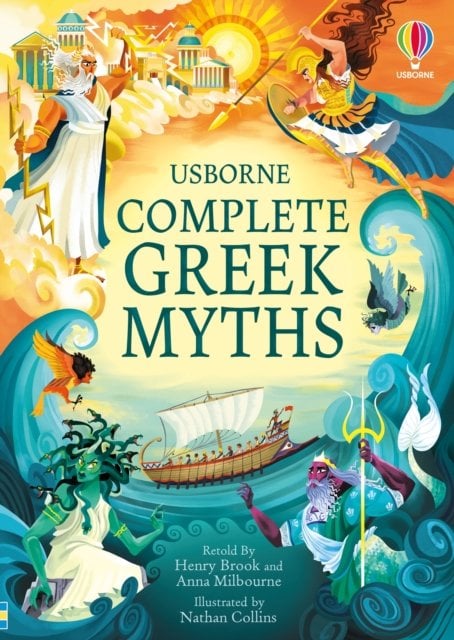
Complete Greek Myths: An Illustrated Book of Greek Myths
Featuring detailed retellings, beautiful character illustrations, and cultural background, this comprehensive volume brings the best-known and obscure Greek myths to life for readers of all ages. Complete with maps, a glossary, and a QR code for pronunciation guides and extra resources, it is an essential addition to any family bookshelf.
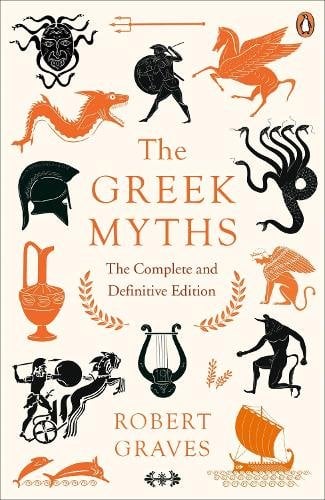
The Greek Myths: The Complete and Definitive Edition
Robert Graves’s definitive edition weaves the classic Greek myths, from the Labours of Hercules to the Trojan War, into one sweeping, authoritative narrative. Perfect for both first-time readers and classicists, this comprehensive volume combines engaging storytelling with detailed scholarly commentary and a complete index of names.
The Odyssey
Homer’s timeless epic The Odyssey follows the hero Odysseus on a perilous decade-long journey home from Troy, facing mythical monsters and divine wrath. Meanwhile, his wife Penelope and son Telemachus defend their kingdom against ruthless suitors in this classic tale of loyalty and endurance.