Exploring the Concept of Love Through Eros and Psyche

Love is one of humanity’s most profound and intricate emotions, a subject that has captivated poets, philosophers, and psychologists for centuries. Among the various allegorical narratives that explore love, the tale of Eros and Psyche stands as a timeless exploration of love’s complexity, challenges, and transformations. This myth not only illuminates romantic love but also delves into themes of trust, sacrifice, identity, and personal growth.
The Story of Eros and Psyche
The myth originates from “The Golden Ass,” a novel written by Apuleius in the 2nd century A.D. In the tale, Psyche is portrayed as a beautiful mortal woman, whose beauty incites jealousy in Venus, the goddess of love. To punish Psyche, Venus commands her son Eros, the god of desire, to make Psyche fall in love with the most hideous creature on Earth. However, upon seeing Psyche, Eros is so captivated by her beauty that he accidentally pricks himself with his own arrow, causing him to fall in love with her instead.
Their love story unfolds as Eros takes Psyche to his palace, but under one condition: she must never look upon his face. Psyche, consumed by curiosity and doubt, eventually disobeys this command and gazes upon Eros while he is asleep. As a result, she loses him, and her journey to win back his love becomes one of hardship and personal transformation.
Themes of Trust and Disillusionment
The initial bond between Eros and Psyche is steeped in trust. Eros represents an ideal form of love—passionate and transformative—while Psyche embodies the human experience filled with doubt and insecurity. When Psyche breaks the rule imposed by Eros, it is not merely an act of betrayal; it symbolizes a deeper struggle between trust and the desire for knowledge.
This moment of disillusionment is pivotal. The act of looking upon Eros can be interpreted as a loss of innocence, where Psyche seeks to assert her agency but unwittingly fractures the bond that holds them together. Through her actions, the myth encapsulates the intrinsic tensions in love: the need for intimacy juxtaposed with individual insecurity.
Psychological frameworks, such as attachment theory, further elucidate these dynamics. Psyche demonstrates anxious attachment, where her insecurities provoke her to seek validation through knowing more about Eros. The myth becomes a case study in the complexities of love, wherein curiosity and doubts can jeopardize otherwise profound relationships.
The Trials of Psyche: Sacrifice and Growth
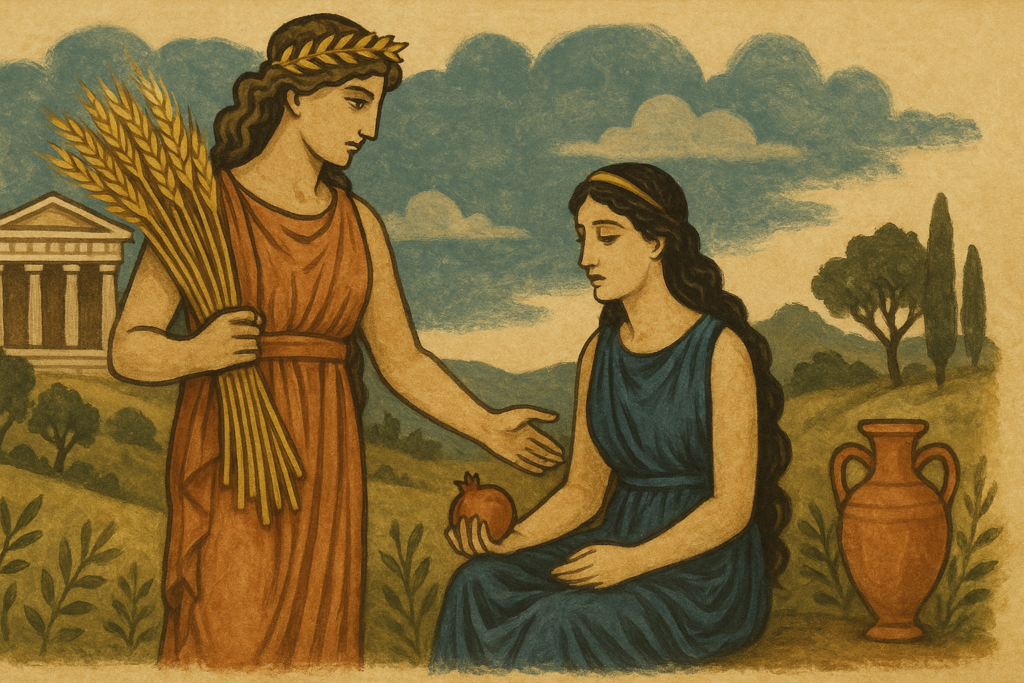
The loss of Eros leads Psyche on a challenging journey, where she must complete a series of arduous tasks set by Venus. Each trial serves a dual purpose: they test Psyche’s determination to reunite with Eros and also facilitate her personal growth. Through tasks involving sorting grains, collecting golden fleece, and retrieving Proserpina’s beauty from the underworld, Psyche transforms from a passive figure into an empowered protagonist.
This journey symbolizes the trials inherent in every genuine relationship. Love is not merely a harmonious experience; it often involves struggles, growth, and sacrifices. Psyche’s determination to overcome challenges reflects the essential element of commitment in love, showcasing that true love often requires overcoming hurdles and embracing change.
Psychologically, Psyche’s evolutionary arc highlights the importance of self-discovery and personal growth within relationships. As she confronts increasingly difficult tasks, she learns resilience, patience, and the true nature of love—beyond romantic idealization. In order to reclaim Eros, she must first understand herself.
The Role of Identity and Agency
Psyche’s journey also emphasizes themes of identity and agency. Initially defined by her beauty and relationship with Eros, she evolves into a multifaceted character who carves out her identity through her experiences. Her trials force her to confront her insecurities, strengths, and desires, allowing her to emerge as a fully-realized individual rather than just an extension of Eros.
In modern discourse, this notion of individual agency within romantic relationships resonates profoundly. Healthy love encourages personal growth and self-discovery, fostering two independent individuals who support each other while maintaining their authentic selves. The narrative of Eros and Psyche serves as an allegory for creating a loving partnership that honors both identities, illustrating that love can be both a catalyst and a consequence of self-exploration.
The Reunion and Transcendence
The climax of the myth occurs when Psyche, after completing her trials and enduring an arduous journey, reunites with Eros. In a poignant twist, Eros, upon seeing Psyche’s resilience, awakens from his slumber to embrace her. This reunion embraces the theme of transcendence—love that rises above challenges to reach a higher plane of understanding and connection.
Their love is no longer clouded by illusion or idealization; it is rooted in mutual respect, trust, and shared experiences. The myth culminates in Psyche being immortalized as Eros’ divine counterpart, symbolizing the elevation of love from mere desire to something profound, sacred, and eternal.
Psychologically, the reunion represents the integration of the self. Psyche’s journey mirrors the process of reconciling one’s identity with the complexities of love. The culmination of their story serves as a metaphor for the healing that can occur when individuals embrace their true selves, letting go of fear and embracing profound vulnerability.
Conclusion
The myth of Eros and Psyche encapsulates the essence of love in its myriad forms—passionate, tumultuous, transformative, and ultimately redemptive. It reflects the universal journey of navigating trust, confronting insecurities, and fostering individual growth within the context of a relationship. Through its rich symbolism and emotional depth, the tale invites readers to explore love not just as a fleeting emotion but as a lifelong journey that encompasses discovery, challenge, and profound connection.
In a world where love is often idealized or superficially conceived, the lessons of Eros and Psyche remind us that true love requires effort, self-awareness, and, most importantly, the courage to confront our vulnerabilities. In embracing both the challenges and joys of love, we can hope to achieve a deeper and more authentic connection with ourselves and our partners.
Recommended reading
These are affiliate links. If you buy through them, we may earn a commission at no extra cost to you.
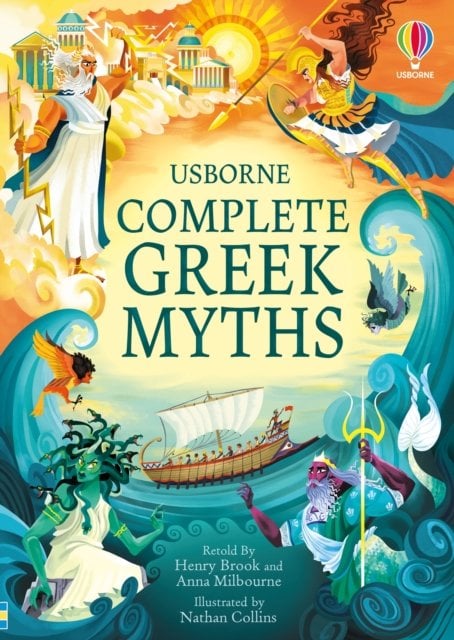
Complete Greek Myths: An Illustrated Book of Greek Myths
Featuring detailed retellings, beautiful character illustrations, and cultural background, this comprehensive volume brings the best-known and obscure Greek myths to life for readers of all ages. Complete with maps, a glossary, and a QR code for pronunciation guides and extra resources, it is an essential addition to any family bookshelf.
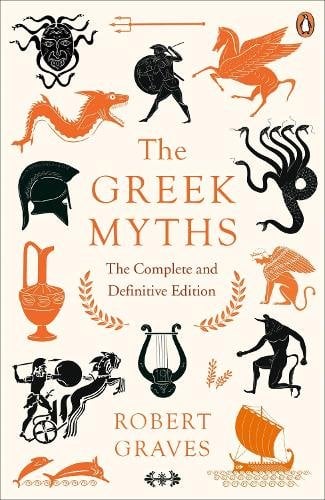
The Greek Myths: The Complete and Definitive Edition
Robert Graves’s definitive edition weaves the classic Greek myths, from the Labours of Hercules to the Trojan War, into one sweeping, authoritative narrative. Perfect for both first-time readers and classicists, this comprehensive volume combines engaging storytelling with detailed scholarly commentary and a complete index of names.
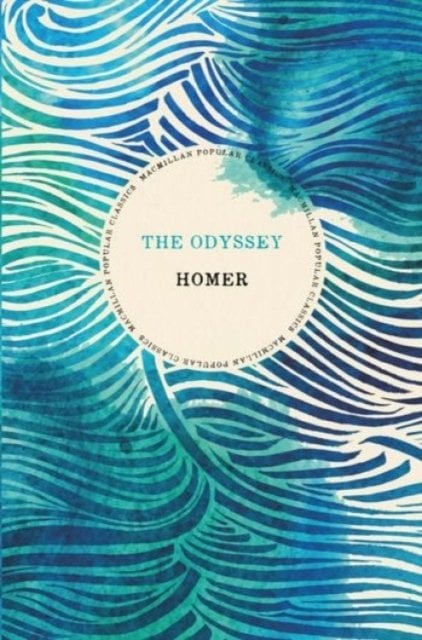
The Odyssey
Homer’s timeless epic The Odyssey follows the hero Odysseus on a perilous decade-long journey home from Troy, facing mythical monsters and divine wrath. Meanwhile, his wife Penelope and son Telemachus defend their kingdom against ruthless suitors in this classic tale of loyalty and endurance.