Sacred Texts: The Pyramid and Coffin Texts as Mythic Narratives
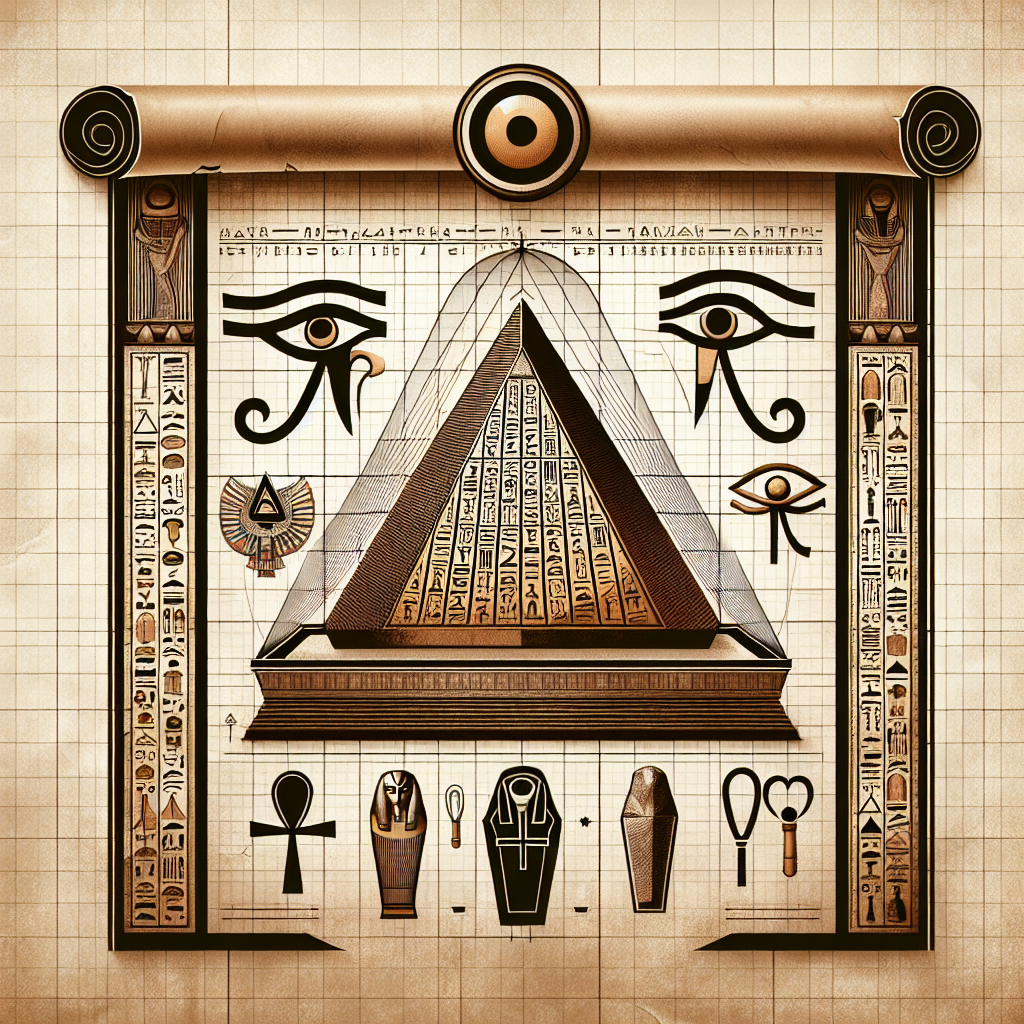
Sacred texts have been the bedrock of spiritual and philosophical thought across cultures and epochs, providing insights into human existence, morality, and the divine. Among the ancient civilizations, the Pyramid Texts and Coffin Texts of Ancient Egypt stand out as premier examples of mythic narratives. These texts not only reveal the religious beliefs and practices of the ancient Egyptians but also embody their understanding of life, death, and the afterlife.
Historical Context
The Pyramid Texts, the oldest religious texts known, date back to the Old Kingdom of Egypt, specifically around 2400-2300 BCE. Initially, they were inscribed in the burial chambers of royal pyramids, reflecting the beliefs surrounding the divine right of kings and the importance of the afterlife. On the other hand, the Coffin Texts emerged during the Middle Kingdom (approximately 2055-1650 BCE) and were inscribed on coffins, making these spiritual narratives accessible to a broader spectrum of society, beyond just royalty.
Both texts served a similar purpose: to assist the deceased in their journey through the afterlife and ensure their rebirth. However, the transition from Pyramid Texts to Coffin Texts marks not only a shift in accessibility but also a rich evolution in theological and mythological concepts.
The Structure of the Texts
Pyramid Texts
The Pyramid Texts are composed of spells, prayers, and hymns designed to guide the pharaoh through the afterlife. They utilize a dense, complex linguistic structure characterized by a combination of metaphor, direct address, and mythic motifs. The texts often feature invocations to gods, mythical stories, and dialogues between the deceased and the divine.
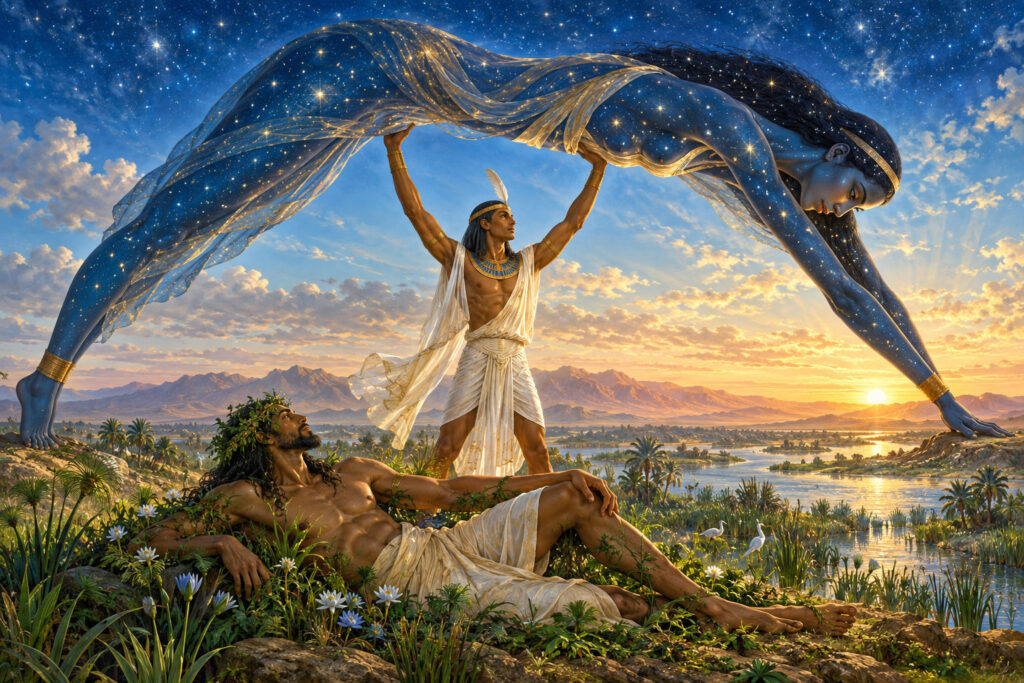
The primary narrative revolves around the cycle of death and resurrection, closely tied to the solar deity Ra and the myth of Osiris. The imagery within these texts evokes a tapestry of symbols, from the rebirth of the sun each morning to the resurrection of Osiris after his dismemberment and subsequent reunification by Isis, his wife.
Coffin Texts
Conversely, the Coffin Texts present a broader array of themes and characters, drawing from the same mythic traditions while also incorporating new elements that reflect the evolving beliefs of the people. Unlike the exclusivity of the Pyramid Texts, the Coffin Texts democratized access to the afterlife’s promises, allowing commoners to partake in the myths.
The structure of the Coffin Texts includes over 1,000 spells, often employing a more direct and conversational tone. They emphasize personal identity, with many spells designed for specific individuals, allowing for individual agency and personalization in the quest for immortality.
Mythic Elements and Themes
Both the Pyramid and Coffin Texts are steeped in rich mythic imagery and themes that articulate the ancient Egyptian world view.
The Concept of Ma’at
Central to both texts is the concept of Ma’at, which represents truth, justice, and cosmic order. The successful navigation of the afterlife depended not only on the deceased’s behavior in life but also on their ability to uphold the principles of Ma’at. Passages often depict the weighing of the heart ceremony, where the deceased’s heart is measured against the feather of Ma’at, symbolizing the judgement of their soul. This ceremony serves as a mythic narrative and a moral framework for the living.
Osiris and the Cycle of Life
The myth of Osiris permeates both texts, serving as a potent narrative symbolizing resurrection and continuity. Osiris’ death and resurrection echo the natural cycles of agriculture, aligning human existence with the divine. The allegory of Osiris reflects not only the fate of the king but also the collective hope for renewal and prosperity for the Egyptian people.
In the Coffin Texts, Osiris is presented as a more accessible figure, emphasizing personal relationships with the divine. The resurrection of the dead is framed as not just a privilege of the elite, but as a shared destiny for all souls.
Journey Through Duat
Both sets of texts detail the trials and tribulations of the soul as it travels through Duat, the Egyptian underworld. This journey is filled with obstacles, monsters, and gods who guard the way. The mythical journey through Duat serves as a metaphor for life’s challenges and represents the soul’s quest for ultimate truth and unity with the divine.
Interactions with Gods
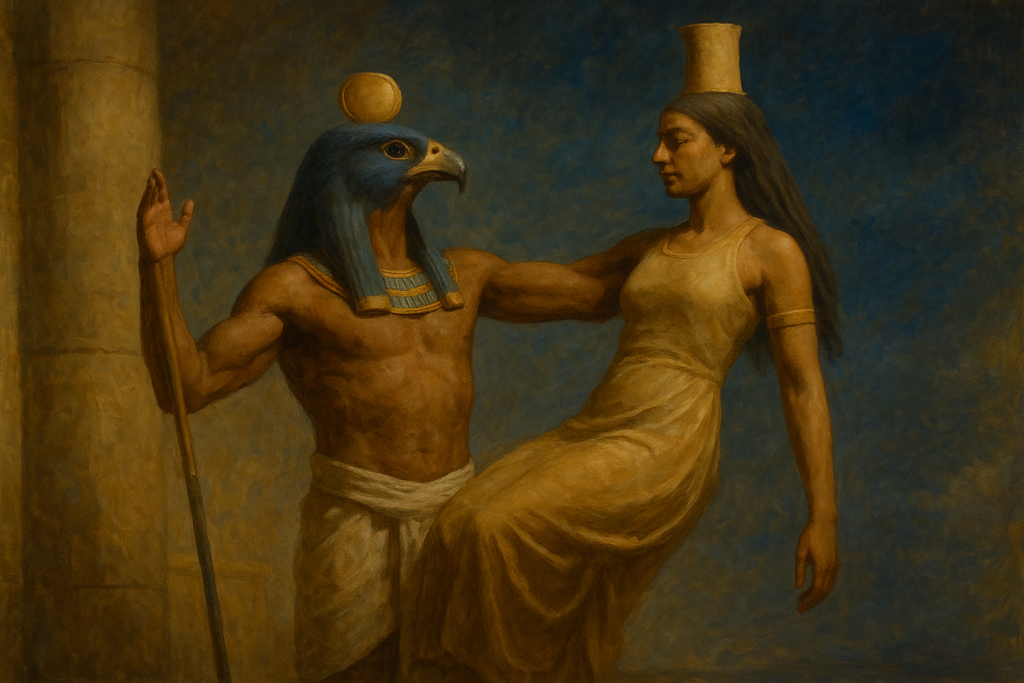
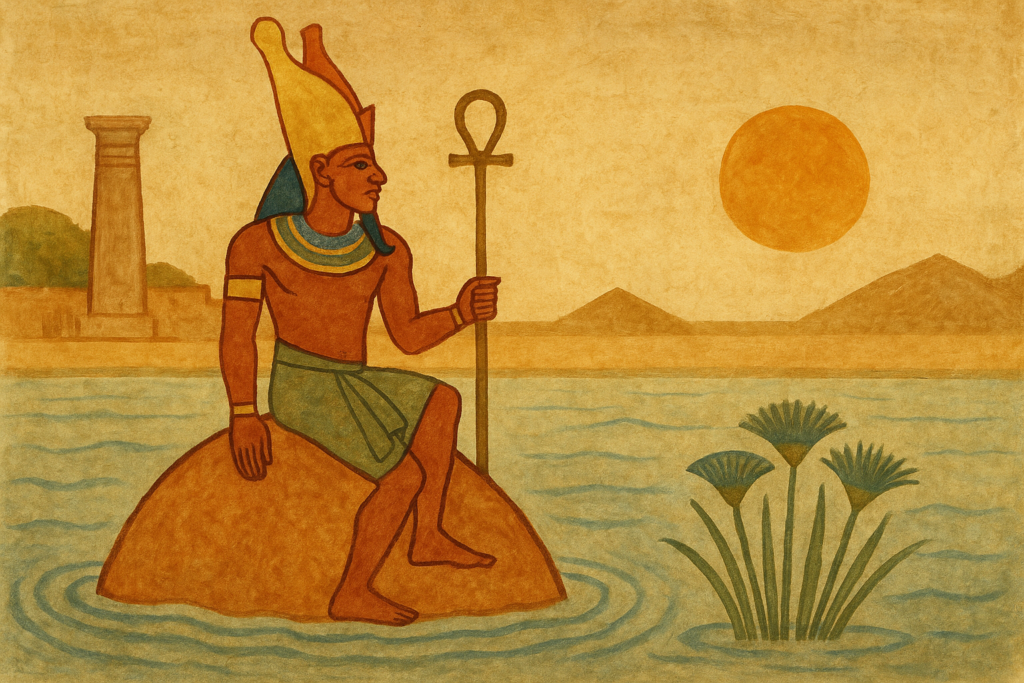
Interactions with deities are frequent in both texts, showcasing a pantheon that includes Osiris, Ra, Anubis, and Thoth among others. Each god has specific roles to play in the afterlife, ranging from judges to guides. This interaction reflects not only a spiritual hierarchy but also a complex understanding of human-divine relationships, offering rich narrative possibilities for worship and engagement with the divine.
Cultural Impact and Legacy
The Pyramid and Coffin Texts had a profound impact on subsequent cultures and religions. Their themes of resurrection, judgment, and morality resonate within various world religions today. The accessibility of the Coffin Texts, in particular, represents an early example of democratizing spirituality, embedding the idea that every individual has a stake in the divine order and the afterlife.
Conclusion
The Pyramid and Coffin Texts are not just burial inscriptions; they are masterpieces of mythic narrative that offer profound insights into the ancient Egyptian worldview. Through their exploration of death, resurrection, and the moral order of existence, these texts provide a bridge connecting humanity’s deepest fears and hopes with the timeless quest for meaning beyond mortality. As key artifacts of human thought, they remind us that the search for understanding our existence and destiny transcends time and culture, casting a lasting light on the universal human experience.