Hell or Heaven? The Dichotomy of Egyptian Afterlife Myths
The ancient Egyptians had a complex and nuanced understanding of the afterlife, one that reflects their rich cultural beliefs and worldview. Central to this understanding is the dichotomy between perceived states of existence akin to “Heaven” and “Hell.” Within their mythology, these divergent realms—often referred to as the Field of Reeds (Aaru) and the realm of the Duat (the Underworld)—embody the ultimate rewards and punishments that awaited souls after death.
The Afterlife in Ancient Egyptian Beliefs
The significance of the afterlife in ancient Egypt cannot be overstated. It was a fundamental aspect of their belief system, shaping not only their religious practices but also their social structures and daily lives. The Egyptians viewed death not as an end, but rather as a transition to another form of existence. The soul, or “ba,” would embark on a journey to the afterlife, where judgments were made about its worthiness to enter the idyllic realm of the afterlife.
The Journey Through the Duat
The journey of the soul began with traversing the Duat, a realm fraught with dangers and challenges. This was no mere tunnel leading to a serene heaven; the Duat was depicted as a dark, labyrinthine underworld filled with obstacles, monsters, and the perils of chaos. The soul had to navigate this dangerous realm with the aid of spells and guidance from the gods, notably Osiris, the god of the afterlife.
One of the most crucial assessments a soul faced in the Duat was the “Weighing of the Heart.” In this pivotal moment, the heart of the deceased was placed on a scale against the feather of Ma’at, the goddess of truth and order. A heart heavy with sin—symbolized by the devouring monster Ammit—would lead to a grim fate: the soul would be consumed, effectively losing its chance for eternal existence.
The Field of Reeds: The Egyptian Paradise
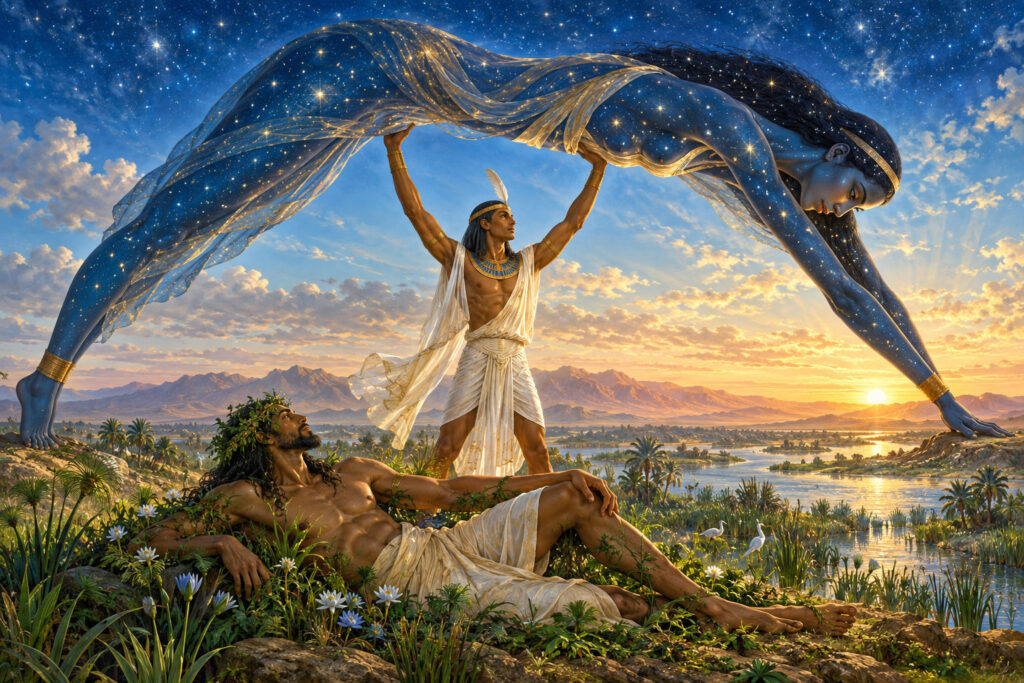
If the heart was light with good deeds, symbolizing a life lived in accordance with Ma’at, the soul would be granted access to the Field of Reeds, a paradise reminiscent of earthly life yet filled with perfection and abundance. Here, the deceased could enjoy an idyllic existence, tending fields, fishing, and living in eternal bliss. Unlike the Western conception of heaven, the Egyptian paradise was deeply tied to the cycles of nature and daily life, emphasizing agricultural bounty, familial connections, and the continuation of one’s identity.
Dual Realities: The Dichotomy Explained
The duality of the afterlife—reward in the Field of Reeds versus punishment in the Duat—illustrates the moral framework of ancient Egyptian society. Life was seen as a tapestry woven from one’s actions, intentions, and adherence to cosmic order. This dichotomy served not only as a spiritual belief but as a societal mechanism to maintain order and encourage ethical behavior among the living.
However, this simplicity is complicated by various texts and interpretations. The ancient Egyptians held varying beliefs depending on the era, social class, and regional practices. For example, the Book of the Dead, a funerary text containing spells and knowledge for navigating the afterlife, presents multiple pathways and possible outcomes for the soul, indicating that Egyptian concepts of the afterlife were neither monolithic nor definitive.
The Influence of Mythology and Cult Worship
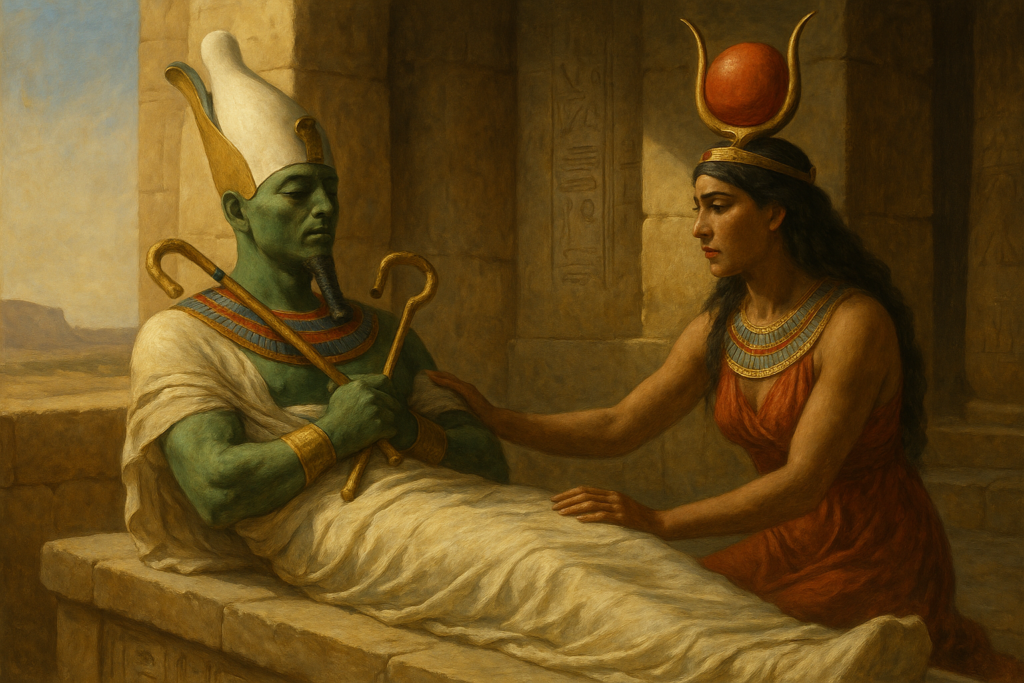
Various deities played crucial roles in Egyptian afterlife mythology. Osiris, as the god of the afterlife, represented resurrection and eternal life, embodying the cyclical nature of existence. The mythology surrounding Osiris often informed beliefs about resurrection both in terms of individual souls and agricultural cycles.
Cult worship of Osiris was widespread along the Nile, highlighting his importance in the afterlife narrative. Rituals and offerings aimed to appease this god; thus, ensuring a favorable judgment and a successful transition to the afterlife. The Osirian mythos influenced the concept of resurrection so profoundly that it permeated other religious frameworks, suggesting a shared cultural concern with life, death, and what lay beyond.
Individuality and Afterlife Personalization
The personalization of the afterlife was another key feature of Egyptian beliefs. The deceased were often buried with goods, offerings, and tomb inscriptions to ensure comfort and sustenance in the afterlife. This individualization illustrated a profound understanding of identity beyond death. The soul was not merely a collection of memories but a continuation of the person, with their unique qualities, relationships, and past experiences guiding them through the afterlife.
Modern Interpretations and Lasting Legacy
The complex narrative of the Egyptian afterlife continues to fascinate scholars and enthusiasts alike. Despite thousands of years separating modern interpretations from ancient practices, the central themes of morality, individual agency, and the quest for eternal peace resonate profoundly. Contemporary readers often find the Egyptian dichotomy between heaven and hell akin to modern concepts of reward and punishment after death.
Moreover, the rich mythology surrounding the afterlife serves as a lens through which we can explore broader human concerns—our fears of mortality, our desires for immortality, and our questions about the meaning of life and death. In this way, the ancient Egyptians’ beliefs about the afterlife remain relevant, continuing to inspire art, literature, and spiritual thought today.
Conclusion
In summation, the dichotomy between “Heaven” and “Hell” within Egyptian mythology represents a rich tapestry of beliefs surrounding the afterlife. The journey through the Duat and the eventual reward of the Field of Reeds offer not just a glimpse into ancient religious practices but also reflect a deeper moral philosophy that cherishes ethical living and cosmic order. This ancient understanding of life, death, and what lies beyond continues to intrigue and inform us, creating a legacy that transcends time and culture.