Cultural Narratives: The Development of Myth through Time
Cultural Narratives: The Development of Myth through Time
Introduction
Cultural narratives are the bedrock of human societies, weaving together the moral, spiritual, and social fabric of a community. Myths, as a specific form of cultural narrative, have played a vital role in shaping worldviews, traditions, and collective identities across time and space. This article explores the development of myths throughout history, examining their purposes, transformations, and the profound influence they wield on cultures.
Understanding Myths
At their core, myths are traditional stories that often involve supernatural beings or events. They serve various functions: explaining natural phenomena, delineating moral codes, and ensuring cultural continuity. Myths can provide a sense of belonging and identity to their tellers and listeners, serving as a narrative framework within which individuals can understand their place in the world.
While myths are often associated with ancient cultures, they continue to evolve and manifest in contemporary society. Modern myths may not feature gods or legendary heroes, but they fulfill a similar role in shaping contemporary beliefs, values, and identity.
The Origin of Myths
The genesis of myth is difficult to pin down, as it intertwines with the development of language and community. Early humans, equipped with burgeoning cognitive abilities, began interpreting their surroundings and creating narratives to make sense of the unknown. These narratives were not mere entertainment; they provided explanations for natural occurrences, such as seasonal changes, celestial phenomena, and death.
The earliest recorded myths come from civilizations such as the Sumerians and Egyptians, whose creation stories and pantheons continue to intrigue scholars. For instance, the Sumerian Epic of Gilgamesh not only offers insight into ancient views of heroism and civilization but also reflects broader human concerns such as mortality and the quest for immortality.
Myths as Social Tools
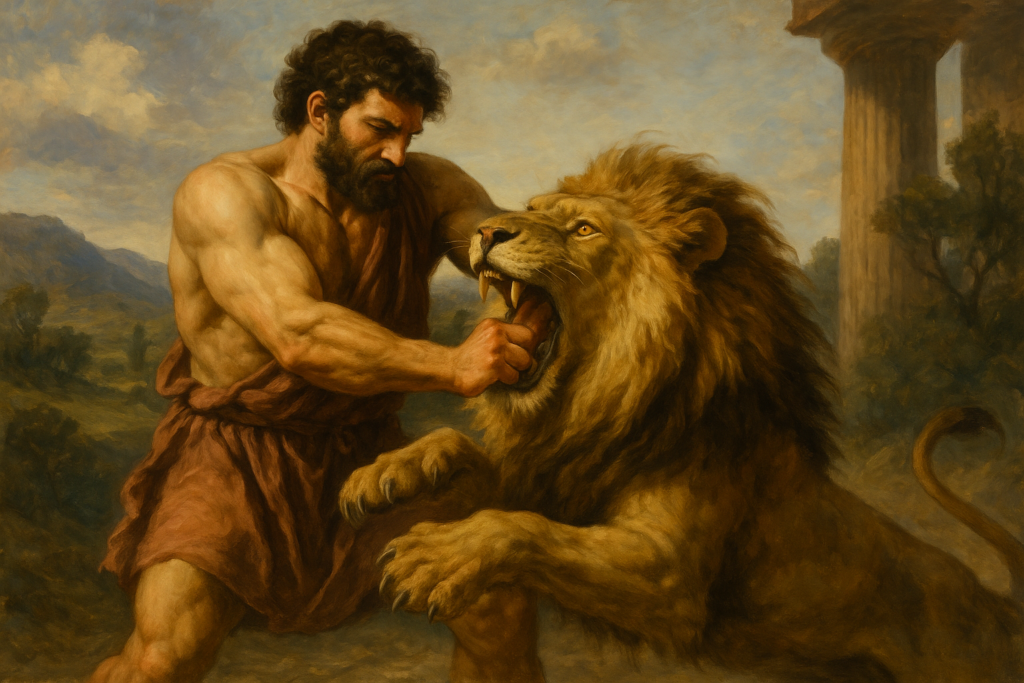
As societies evolved, so did their myths. They became social tools, reinforcing cultural norms and values. For example, many ancient myths encapsulate the virtues necessary for community cohesion—courage, wisdom, sacrifice. The hero’s journey, a structural archetype found in numerous cultures, illustrates this. Whether it’s Hercules in Greek mythology or Rama in Hindu epic tales, these heroes navigate challenges that symbolize the internal and external struggles of their societies.
Take the Greek myth of Pandora, for instance. Pandora’s box, filled with the world’s evils, offers a narrative on the limits of human curiosity and the origins of suffering. Through this myth, ancient Greeks passed on vital social lessons about caution and the consequences of action.
Similarly, Norse mythology illustrates the values of bravery and honor, showcasing gods and goddesses who exemplify these traits. The tales of Odin and Thor, along with their battles against chaos, convey not only entertainment but also a cultural understanding of morality and valiance in facing adversity.
The Transformation Over Time
Myths are remarkably resilient, yet they adapt to reflect the changing circumstances and values of the societies that tell them. This transformation can be seen vividly in the reinterpretation of myths during the rise of monotheistic religions. For example, the mythologies of ancient Mesopotamia were reinterpreted in the context of Judeo-Christian narratives, merging and morphing into new belief systems.
The story of Flood, found in both the Epic of Gilgamesh and the book of Genesis, demonstrates this transformation remarkably. While both accounts speak of divine wrath and the destruction of humanity, the Judeo-Christian version places a greater emphasis on mercy and a covenant, signifying a shift in moral cosmology.
In modern contexts, myths adapt to new societal values, giving rise to contemporary figures and narratives. Superheroes in comic books serve as mythic figures for today’s youth, embodying qualities like justice and moral righteousness. This evolution speaks to an innate human desire to find meaning, guidance, and identity in the stories we tell.
The Role of Technology
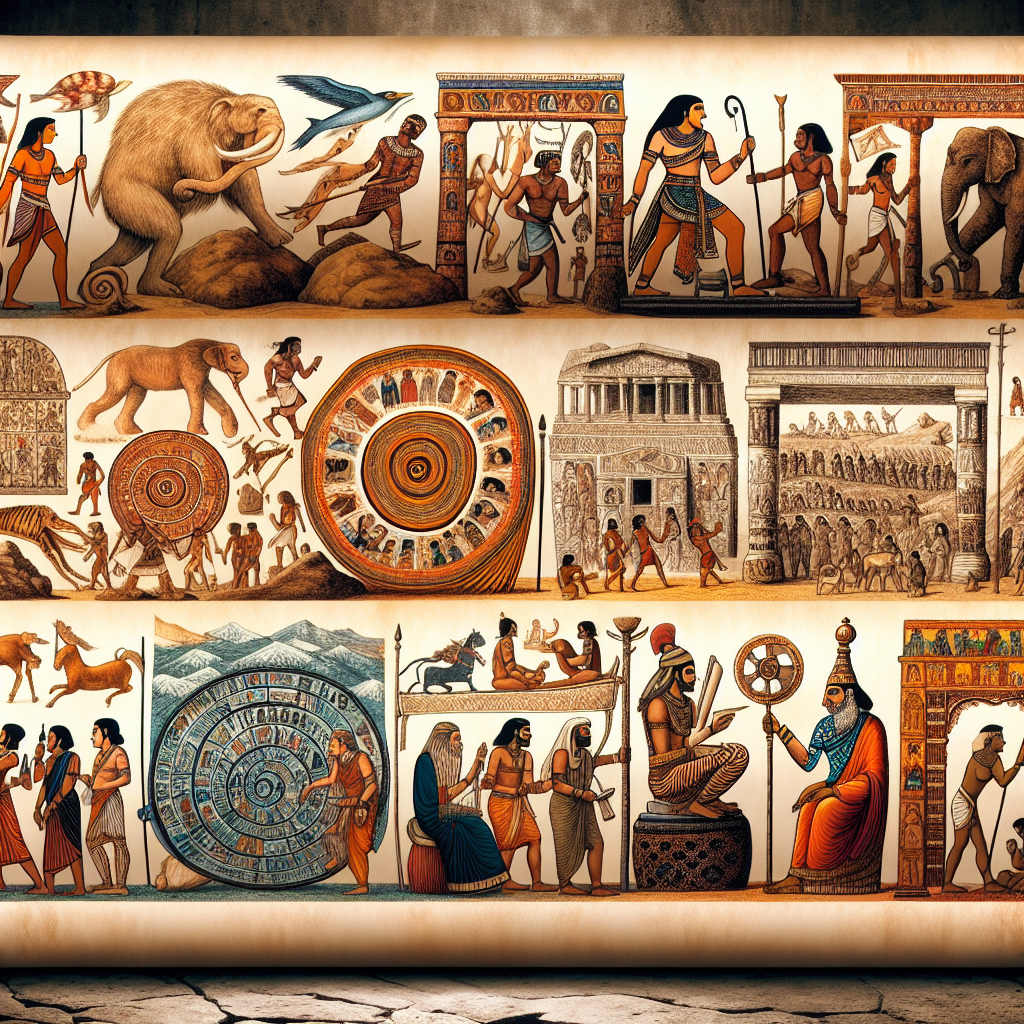
The development of myths has long been intertwined with technology, as each advancement has altered the ways narratives are disseminated and consumed. Oral traditions, the earliest form of storytelling, relied on communal experiences, where myths were shared in gatherings, binding communities together.
With the advent of writing, myths became codified, allowing for more precise transmission across generations. The printing press revolutionized this further, democratizing access to stories and allowing myths to penetrate diverse landscapes. In the contemporary digital age, smartphones and social media platforms have reshaped how myths are formed and spread. Memes, viral videos, and online narratives are the new vessels of myth-making, showcasing how traditional forms of storytelling continue alongside modern innovations.
Myths and Identity
Cultural narratives play a significant role in establishing identity, both at an individual and collective level. Regional myths often bolster national pride, as seen in the legends of King Arthur in Britain or the creation myths of various Indigenous cultures worldwide. Such stories breathe life into cultural legacies and foster a sense of belonging among community members.
The resurgence of interest in Indigenous myths and narratives in the contemporary context underscores the importance of reclaiming cultural identity. As formerly marginalized voices find platforms, myths rooted in these cultures provide resilience, hope, and resistance against erasure.
Conclusion
Cultural narratives, particularly myths, are not static relics of the past but dynamic stories that continue to adapt and resonate within contemporary society. Through explanations of existence, moral frameworks, and community identity, they reflect humanity’s shared experiences and challenges. As technology and culture advance, myths will undoubtedly transform, yet their core purpose—providing meaning, understanding, and connection—will remain unchanged. By studying the development of these narratives, we not only gain insight into the societies that birthed them but also uncover the timeless threads that connect us all. As new myths emerge, they will continue to shape our collective consciousness, reminding us that storytelling is an art form as old as humanity itself.
Recommended reading
These are affiliate links. If you buy through them, we may earn a commission at no extra cost to you.
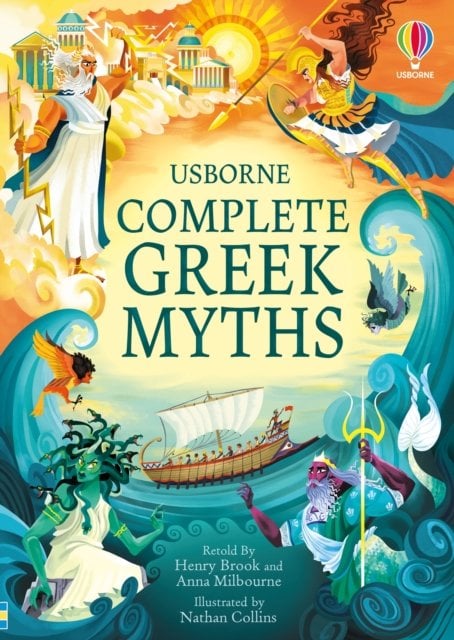
Complete Greek Myths: An Illustrated Book of Greek Myths
Featuring detailed retellings, beautiful character illustrations, and cultural background, this comprehensive volume brings the best-known and obscure Greek myths to life for readers of all ages. Complete with maps, a glossary, and a QR code for pronunciation guides and extra resources, it is an essential addition to any family bookshelf.
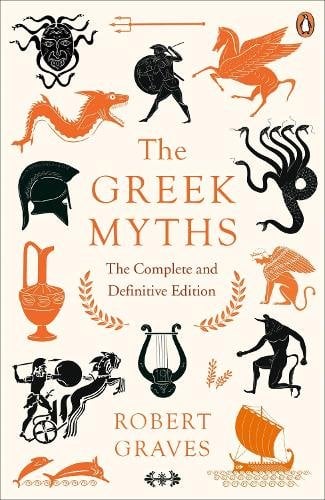
The Greek Myths: The Complete and Definitive Edition
Robert Graves’s definitive edition weaves the classic Greek myths, from the Labours of Hercules to the Trojan War, into one sweeping, authoritative narrative. Perfect for both first-time readers and classicists, this comprehensive volume combines engaging storytelling with detailed scholarly commentary and a complete index of names.

The Odyssey
Homer’s timeless epic The Odyssey follows the hero Odysseus on a perilous decade-long journey home from Troy, facing mythical monsters and divine wrath. Meanwhile, his wife Penelope and son Telemachus defend their kingdom against ruthless suitors in this classic tale of loyalty and endurance.