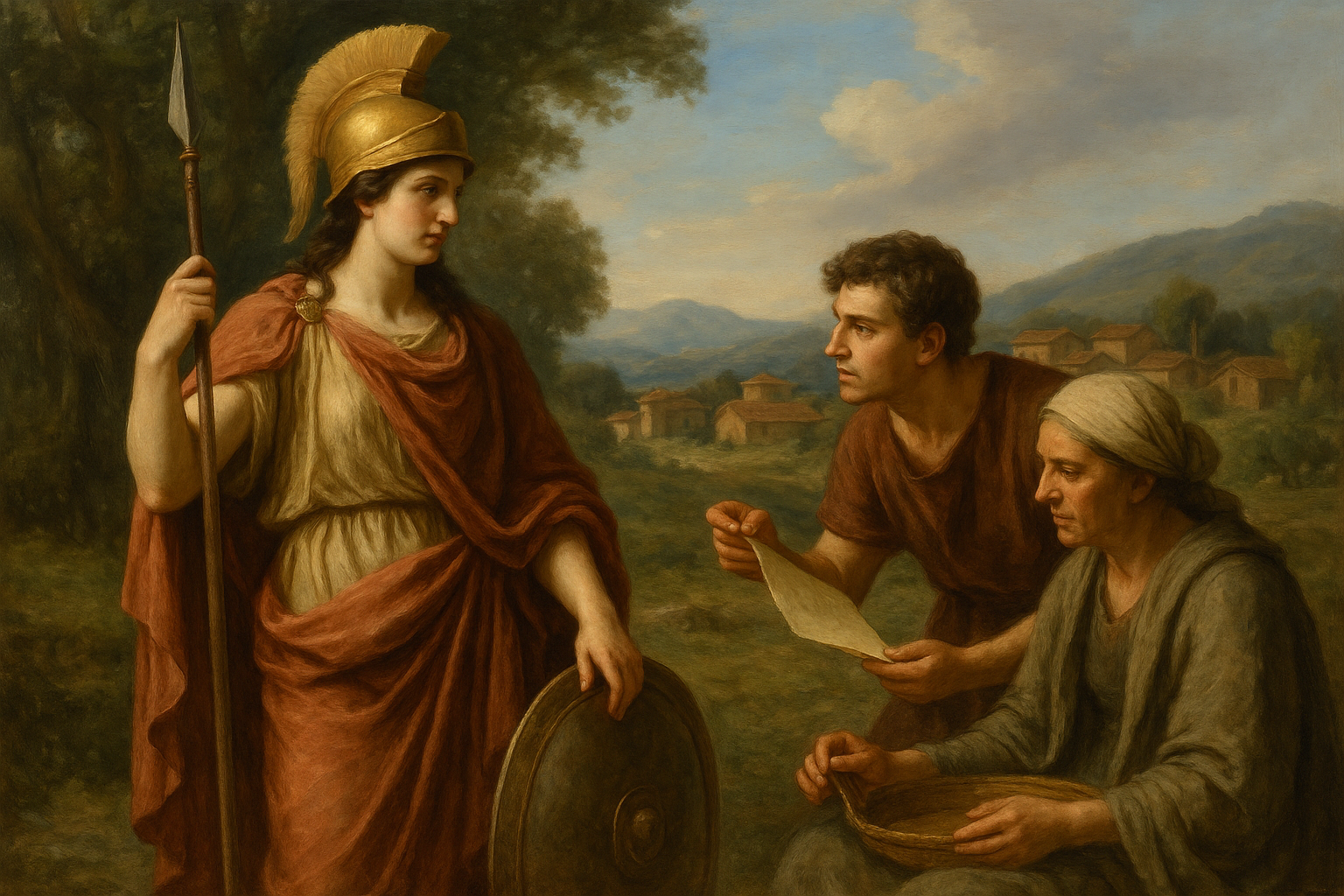
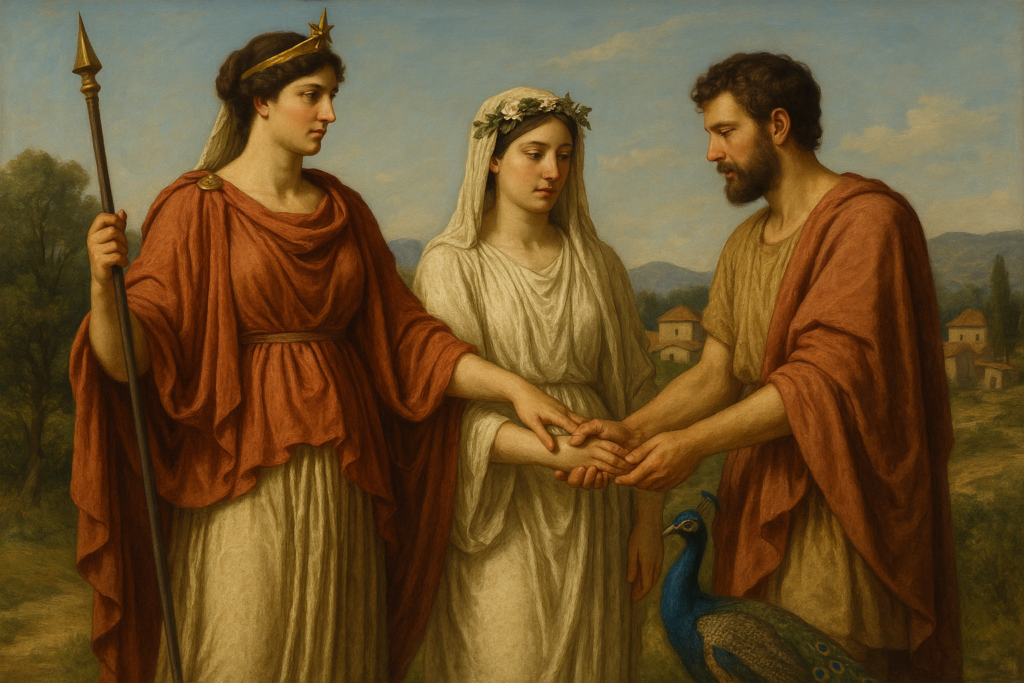
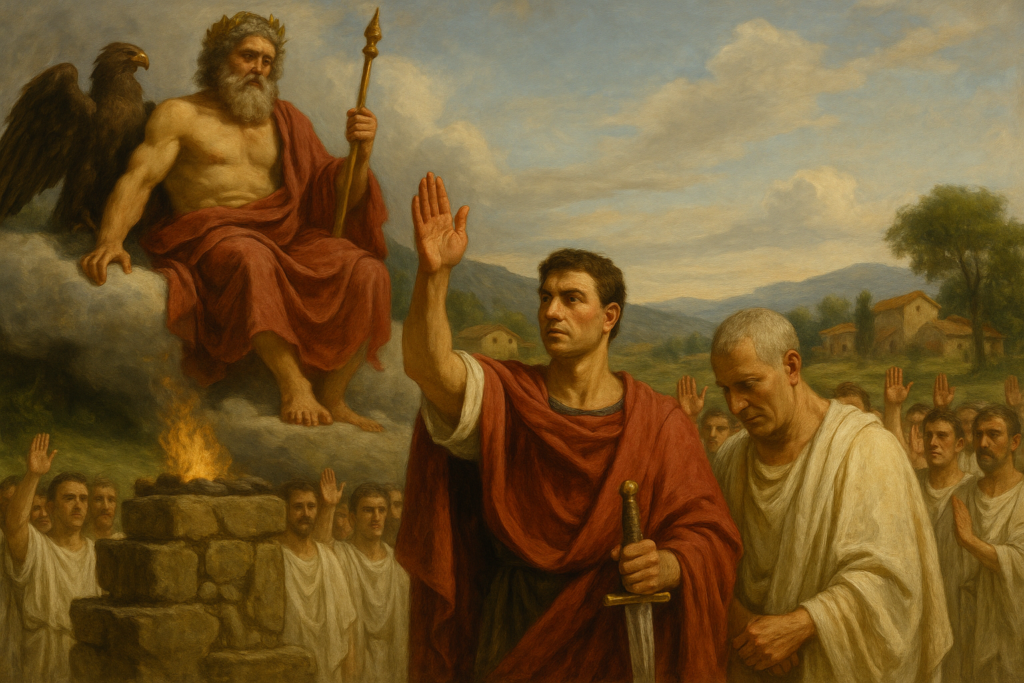
Venus and Mars: Analyzing Their Mythic Relationship
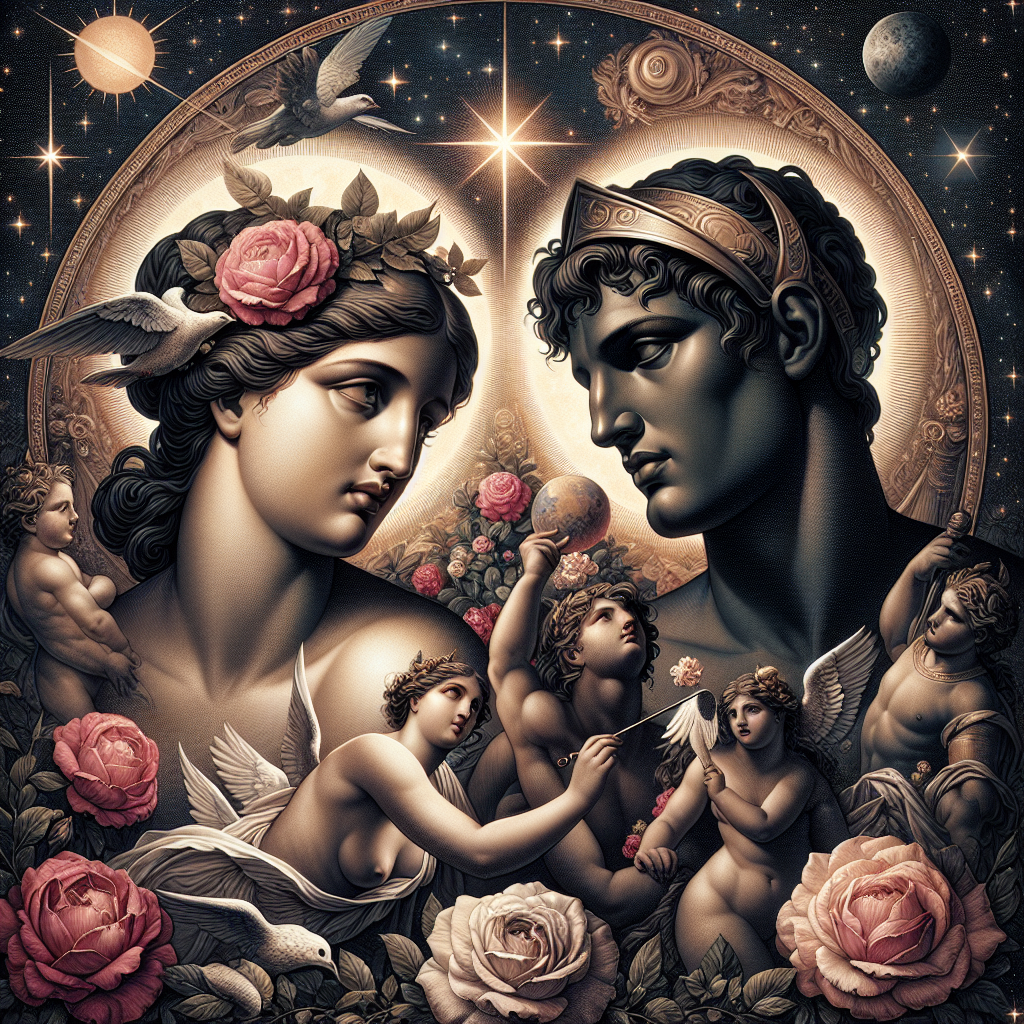
Venus and Mars: Analyzing Their Mythic Relationship
In the rich tapestry of mythology, few relationships captivate the imagination as powerfully as that of Venus and Mars. Representing love and war respectively, these two celestial bodies are not only significant in astronomy but have also held profound meanings in various cultures throughout history. Their association speaks not only of romantic entanglements but also illustrates the intricate dance between desire and conflict, harmony and discord.
The Mythological Foundations
The names Venus and Mars derive from Roman mythology, where Venus was the goddess of love, beauty, and fertility, while Mars was the god of war, aggression, and masculinity. The myths surrounding these figures often portray a complex relationship, rife with passion, conflict, and, at times, tragedy.
Venus, as portrayed in mythology, is often depicted as a powerful figure whose beauty captivates everyone, from mortals to gods. She symbolizes attraction, romance, and the finer aspects of human existence. Contrastingly, Mars embodies violence and strength. While he represents the primal aspects of existence, including survival and dominance, he also holds a significant place in society, signifying honor, valor, and courage.
The Nature of Their Relationship
The dynamic between Venus and Mars is emblematic of the broader relationship between love and war. In many narratives, their encounters illustrate how love can arise amidst turmoil, and how conflict can emerge even in moments of tenderness. Their relationship can be seen as a tapestry woven from threads of attraction and aversion, passion and aggression.
In one famous myth, Venus and Mars engage in a passionate affair that becomes a source of scandal and political intrigue. They are often depicted as lovers who are both intensely drawn to one another yet simultaneously aware of the inherent tensions that their relationship entails. This duality reflects a universal truth: love can inspire peace but can also ignite conflicts.
The Symbolic Interpretations
The mythic relationship between Venus and Mars transcends the boundaries of individual stories; it has deeper implications that speak to the human condition. At its core, their interaction symbolizes the complexities of human relationships and the paradox of coexistence in life.
-
Love and War: The association of Venus and Mars underlines a dichotomy within human experience. Love often emerges amid chaos, and conflict frequently arises in close relationships. This duality can be seen in romantic partnerships, where passionate love can steep into jealousy or anger, illustrating the fine line that separates harmony from discord.
-
Balance of Forces: Their relationship suggests a need for balance in human existence. While emotion and creativity are vital for nurturing love and relationships, they often exist in opposition to rationality and assertiveness, represented by Mars. This tension calls for a dynamic equilibrium where both love and war can coexist and complete one another.
-
Gender Archetypes: Venus and Mars also embody traditional gender archetypes—Venus representing femininity and nurturing, while Mars represents masculinity and assertiveness. In modern contexts, discussions surrounding gender have evolved, but these archetypical figures continue to symbolize traits that are associated with both love and war. Their interaction invites contemporary audiences to reflect on how these attributes manifest in their own lives and relationships.
Cultural Impact
Throughout literature, art, and popular culture, the relationship of Venus and Mars serves as a fertile ground for exploration. From classical poetry to modern films, the themes of their relationship echo across cultures and time periods.
-
Art: Throughout history, many artists have depicted Venus and Mars in their works. Sandro Botticelli’s “Venus and Mars” illustrates the tension between love and war. In the painting, Venus reclines peacefully, showcasing her beauty, while Mars, the figure of aggression, is depicted in slumber, suggesting that love has a pacifying effect on conflict. This visual narrative reinforces the mutual dependence of love and war.
-
Literature: The archetypes of Venus and Mars manifest in countless literary genres. From Shakespearean sonnets that celebrate love amidst turmoil to modern novels that explore the complexities of relationships, the interplay of desire and conflict remains a timeless subject. The tragic love stories often represent a struggle between internal passions and external challenges, echoing the narrative complexities that Venus and Mars embody.
-
Modern Interpretations: In contemporary discussions, the Venus-Mars dynamic often serves as a lens through which writers and philosophers examine relationships. Modern works may critique traditional gender roles while also acknowledging the ways in which love and conflict remain intertwined in society. From discussions of toxic relationships to explorations of passion in a pluralistic society, their relationship remains relevant.
Conclusion
The mythic relationship between Venus and Mars offers profound insights into the nature of human existence. They reflect the complexities of love and war, illustrating the delicate balance between passion and aggression. Whether viewed through the lens of mythology, art, or modern discourse, their encounters remind us that love often exists within the shadow of conflict, and that the two forces continuously influence one another.
As we analyze the relationship of Venus and Mars through historical, cultural, and psychological lenses, it becomes clear that their story encapsulates the dualities of the human experience—love, beauty, war, and uncertainty. Their enduring legacy is a testament to the captivating complexity of human relationships, reminding us that, like Venus and Mars, we all navigate a world where love and war are inextricably linked.