A Journey Through the Cosmos: Mythical Celestial Bodies
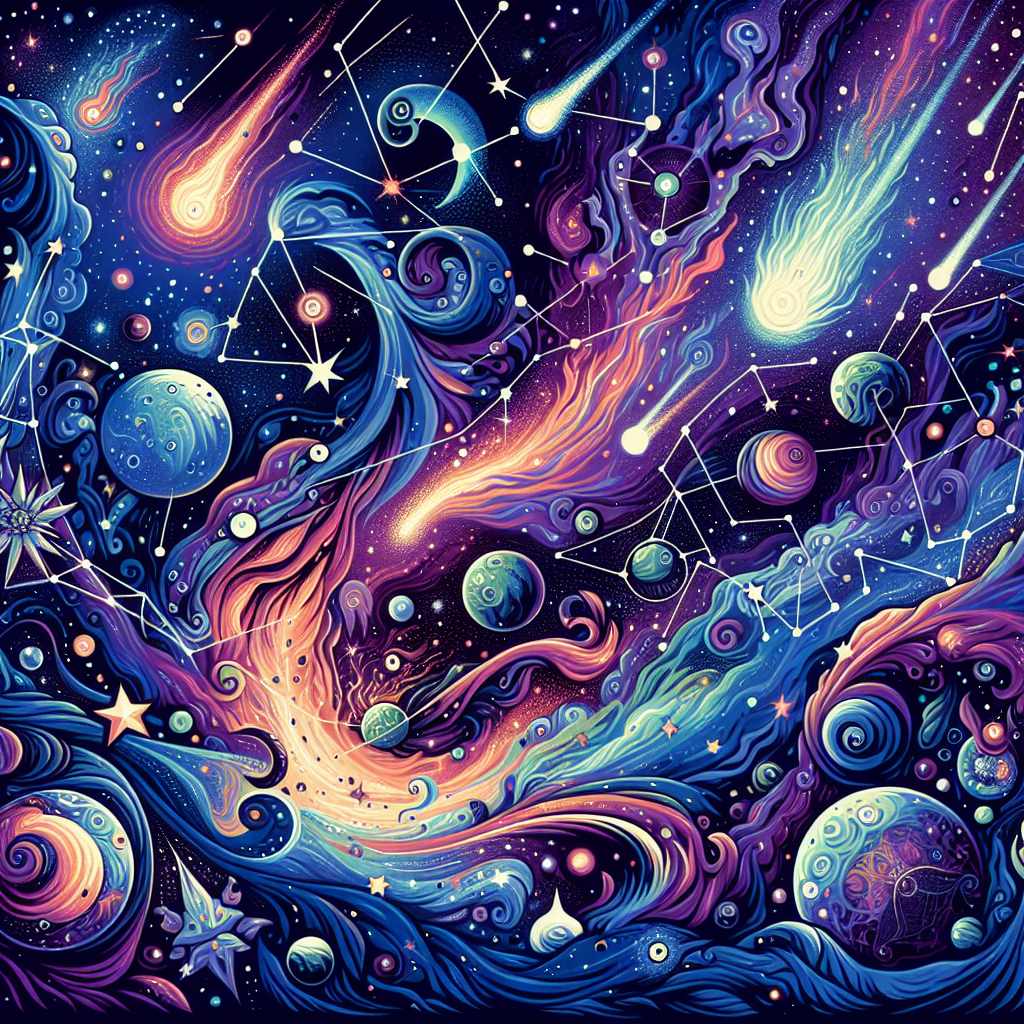
From ancient times to the modern age, humankind has gazed up at the night sky, mesmerized by the radiant stars and planets twinkling against the darkness. Each celestial body has inspired not only scientific inquiry but also deep-rooted myths and stories across diverse cultures. These mythical celestial bodies have shaped our understanding of the universe, influenced art, and offered explanations to the mysteries of life. Join us on a journey through the cosmos to explore some of these fascinating celestial figures and the myths that surround them.
The Sun: Ra, Helios, and Apollo
The sun, the most significant star in our solar system, has held a place of reverence in various mythologies. In ancient Egyptian beliefs, Ra was the sun god, symbolizing life and illumination. He was often depicted traversing the heavens in a solar boat, reiterating the cycle of day and night while battling the chaos represented by the serpent Apophis. Ra’s journey represented not just the movement of the sun but mirrored the cycle of life itself.
In Greek mythology, Helios, another sun god, was said to ride his chariot across the sky each day, casting light upon the Earth. Helios was not merely a radiant figure; his presence underscored the importance of the sun in agriculture and daily life, symbolizing clarity, truth, and foresight. The Romans absorbed Helios into their pantheon, equating him with Apollo, the god of many aspects, including music and prophecy.
These solar deities encapsulate humanity’s respect for the sun, which not only nourishes the Earth but also symbolizes the cycle of life and death.
The Moon: Selene, Luna, and Chandra
Just as the sun inspired reverence, the moon has also been a source of mystery and worship. Selene, the Greek goddess of the moon, is often depicted as a luminous figure driving a chariot. Like Ra and Helios, Selene’s phases mirrored the seasons and influenced everything from agriculture to tides.
In Roman mythology, Luna served a similar role, guiding travelers in the night and symbolizing femininity and intuition. In Hindu mythology, Chandra reigns as the moon god who controls the night. His associations with waxing and waning further imbue him with a sense of cyclical renewal, embodying the ebb and flow of life.
The moon frequently symbolizes emotional depth and feminine power in literature and art, emphasizing its duality as both a provider of light in darkness and a reflection of the inner self.
Venus: Aphrodite and the Morning Star
The second planet from the sun, Venus, has often been depicted in mythology as a powerful feminine figure. Known as Aphrodite to the Greeks, she was the goddess of love and beauty, rising as the morning star before the sun. Her allure is evident in countless artistic expressions, where she symbolizes desire, passion, and the complexities of love.
The Babylonians referred to Venus as Ishtar, a goddess who ruled over war and love, showcasing the planet’s dual nature. This contrast between creation and destruction reflects the complex emotions tied to love — as exhilarating as it can be, it can also lead to heartbreak and despair.
Venus reminds us that celestial bodies do not merely exist in isolation; their stories intertwine with human experiences, illuminating the emotional landscapes of our lives.
Mars: Ares, the God of War
Mars, the fourth planet in our solar system, is often associated with conflict and virility. In Greek mythology, Ares represented the chaotic and violent aspects of warfare. His counterpart, the Roman god Mars, celebrated military prowess and was deeply entwined with agriculture and fertility—showing that even destructive forces can have a role in the cycle of life.
Mars has been depicted as both a fearsome warrior and a figure of romance, illustrating the duality of aggression and love. Its red hue signifies not only bloodshed but also vitality, hinting at a deeper intertwining of life and death.
In astrological terms, Mars symbolizes determination, ambition, and assertiveness—characteristics highly valued in many cultures, further cementing its place in both mythology and human psyche.
Jupiter: Zeus and the King of Gods
Jupiter, the largest planet in our solar system, has long been viewed as a symbol of authority and power. In Roman mythology, Jupiter resided atop Mount Olympus as the king of the gods, wielding thunderbolts and presiding over the heavens. His Greek counterpart, Zeus, shared similar characteristics, embodying leadership, justice, and divine law.
The mythological associations with Jupiter emphasize humanity’s quest for understanding power, authority, and governance. The planet’s prominent presence in the night sky has led many civilizations to view it as a beacon of hope and protection.
Jupiter’s many moons, including Io and Europa, have also encased their own myths, inspired by the wonder of their existence. Europa, for instance, represents a figure from Greek mythology abducted by Zeus, intertwining tales of love and exploration.
Saturn: Time and Harvest
Saturn, the sixth planet from the sun, is known for its beautiful rings. However, its mythology runs deeper, alluding to themes of time, harvest, and even dissolution. Named after the Roman god of agriculture, Saturn represents the cyclical nature of growth and decay. In Greek mythology, he is known as Cronus, who ate his own children to prevent them from overthrowing him, embodying the fear of time and mortality.
Saturn’s mythology evokes a sense of responsibility and maturity, often viewed in astrological terms as the teacher who brings lessons through challenges. This celestial figure serves as a reminder of the importance of cycles in life—highlighting the balance between prosperity and sacrifice.
Conclusion: The Cosmos as a Mirror of Human Experience
The celestial bodies of our universe, cloaked in myth and narrative, serve as metaphors for human experiences across time. From the life-giving sun and nurturing moon to the fierce aspects of Mars and Jupiter, each celestial figure embodies the complexities of existence. These mythological narratives offer insights into our emotional landscapes, cultural values, and the eternal quest for understanding the universe.
As we look toward the stars, we recognize that while our scientific understanding continues to grow, the stories we weave around these celestial bodies will always hold a place in the human heart. They remind us that beneath the surface of the cosmos lies a tapestry of intricate tales, embodying the rhythms of life, love, fear, and renewal—a journey truly worth taking through the cosmos.
Recommended reading
These are affiliate links. If you buy through them, we may earn a commission at no extra cost to you.
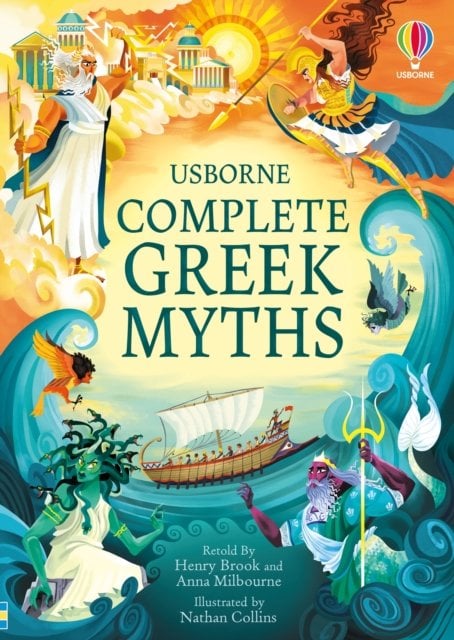
Complete Greek Myths: An Illustrated Book of Greek Myths
Featuring detailed retellings, beautiful character illustrations, and cultural background, this comprehensive volume brings the best-known and obscure Greek myths to life for readers of all ages. Complete with maps, a glossary, and a QR code for pronunciation guides and extra resources, it is an essential addition to any family bookshelf.
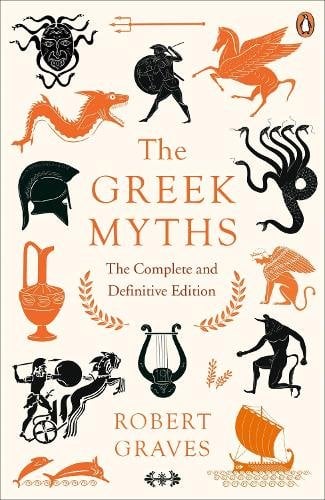
The Greek Myths: The Complete and Definitive Edition
Robert Graves’s definitive edition weaves the classic Greek myths, from the Labours of Hercules to the Trojan War, into one sweeping, authoritative narrative. Perfect for both first-time readers and classicists, this comprehensive volume combines engaging storytelling with detailed scholarly commentary and a complete index of names.
The Odyssey
Homer’s timeless epic The Odyssey follows the hero Odysseus on a perilous decade-long journey home from Troy, facing mythical monsters and divine wrath. Meanwhile, his wife Penelope and son Telemachus defend their kingdom against ruthless suitors in this classic tale of loyalty and endurance.