The Phenomenon of Greek Tragedy: Origins and Influence

Greek tragedy, one of the most significant forms of theatrical expression in human history, has origins steeped in religious ritual, narrative complexity, and socio-political commentary. Emerging around the 5th century BCE in Athens, the genre provided a canvas on which playwrights crafted profound explorations of human experiences, moral dilemmas, and existential questions. The phenomenon of Greek tragedy continues to influence modern theatre, literature, and even philosophical discourses, making it an essential area of study for understanding narrative development and cultural values.
Origins of Greek Tragedy
The roots of Greek tragedy can be traced back to ancient rituals dedicated to Dionysus, the god of wine, fertility, and theatre. Festivals honoring Dionysus, notably the City Dionysia, featured competitions among playwrights who presented their works before an audience. Initially, these performances were a mix of song and dance, evolving over time into more structured narratives that included dialogue, character development, and elaborate plotlines.
The Structure of Tragedy
The earliest tragedies were heavily influenced by Homeric epics, where narrative centrality and character tug-of-war played significant roles. Aeschylus, known as the father of tragedy, introduced a second actor, which allowed for dialogue between characters rather than just a chorus. This innovation led to a more sophisticated characterization and plot development. Sophocles further advanced the form by incorporating a third actor and introducing complex themes of fate, free will, and moral ambiguity.
A typical Greek tragedy consisted of the prologue, parodos (chorus’s entrance), episodes (individual scenes), stasimon (choral odes), and exodus (conclusion). The chorus played a pivotal role, acting as a moral compass, commenting on the events, and engaging the audience’s emotions.
Major Playwrights and Their Impact
Three playwrights dominate the landscape of Greek tragedy: Aeschylus, Sophocles, and Euripides. Each brought a unique voice and perspective to the genre.
Aeschylus
Aeschylus is primarily known for his trilogy, the Oresteia, which examines themes of justice, revenge, and the evolution of societal norms. His work often highlighted the conflict between divine law and human authority, reflecting society’s deep-seated anxieties regarding moral order. Aeschylus’s tragedies set the stage for later explorations of human psychology in both literature and drama.
Sophocles
Sophocles revolutionized tragedy with plays like Oedipus Rex and Antigone. In these works, he explored the idea of fate versus free will, illustrating how human actions lead to inescapable consequences. Sophocles’s nuanced portrayal of characters allows the audience to sympathize with their struggles, ultimately making them reflect on their values and decisions.
Euripides
Euripides introduced a more humanistic approach, focusing on the emotional and psychological dimensions of characters. His plays, including Medea and The Bacchae, often criticized societal norms and questioned traditional beliefs, making them resonate with contemporary audiences. Euripides’s tendency to present strong, complex female characters and his exploration of themes like passion, betrayal, and vengeance influenced subsequent literary forms, paving the way for modern depictions of character depth.
Thematic Concerns
Greek tragedies are infused with universal themes that still resonate with modern audiences. The exploration of fate, human suffering, justice, and moral dilemmas are threads that bind these ancient narratives to contemporary experiences.
Fate and Free Will
One of the most enduring themes in Greek tragedy is the tension between fate and free will. Characters often grapple with their destinies, struggling against forces beyond their control. The tragic irony in these confrontations not only evokes sympathy but also prompts audiences to reflect on their own lives and the extent of their agency.
The Role of the Gods
Divine intervention is a recurring motif, with gods often serving as arbiters of human fate. Characters such as Oedipus and Agamemnon illustrate how divine mandates can clash with individual desires, creating a fertile ground for conflict. This divine-human interplay raises questions about moral accountability and the nature of justice, themes that have continued relevance.
Human Suffering
A hallmark of Greek tragedy is its unflinching portrayal of human suffering. Tragic heroes endure poignant hardships, making their stories catalysts for catharsis—an emotional release for the audience. This emotional resonance has led to Greek tragedy’s enduring power, ensuring that the genre remains a staple of education and performance.
Influence on Western Literature and Theatre
The impact of Greek tragedy extends far beyond its historical context. The principles established by these ancient playwrights form the backbone of Western dramatic tradition.
The Renaissance and Neoclassicism
During the Renaissance, dramatists like Shakespeare drew heavily on Greek tragic themes and structures. The influence is evident in Shakespeare’s tragic heroes, who often grapple with fate, moral dilemmas, and profound internal conflict. Similarly, the neoclassical theatre in the 17th and 18th centuries sought to emulate the grandeur and emotional weight of Greek tragedy, establishing rules that would guide dramatic art for centuries.
Modern Adaptations
Contemporary playwrights continue to draw from the legacy of Greek tragedy, reinterpreting ancient stories for modern contexts. Adaptations of works by Aeschylus, Sophocles, and Euripides can be seen in modern theatre, films, and literature, demonstrating the timelessness of these narratives and their themes.
Psychological Depth and Character Complexity
Modern storytelling, particularly in literature, film, and television, echoes the character complexity and moral ambiguity found in Greek tragedy. Psychological realism and character-driven narratives often owe their roots to the intricate portrayals established by ancient playwrights, reinforcing the significance of Greek tragedy in shaping narrative forms.
Conclusion
Greek tragedy remains a powerful and poignant exploration of the human condition. Its roots in ancient ritual and its evolution into a sophisticated literary form allowed it to grapple with fundamental questions about human existence, morality, and society. The exploration of fate, divine influence, and human suffering transcends time, echoing in the narratives we tell today. As we dissect these ancient texts, we uncover not just the roots of our cultural heritage but also a mirror reflecting our own humanity. Through the lens of Greek tragedy, we continue to navigate the complexities of life, grappling with themes that are as relevant today as they were in ancient Athens.
Recommended reading
These are affiliate links. If you buy through them, we may earn a commission at no extra cost to you.
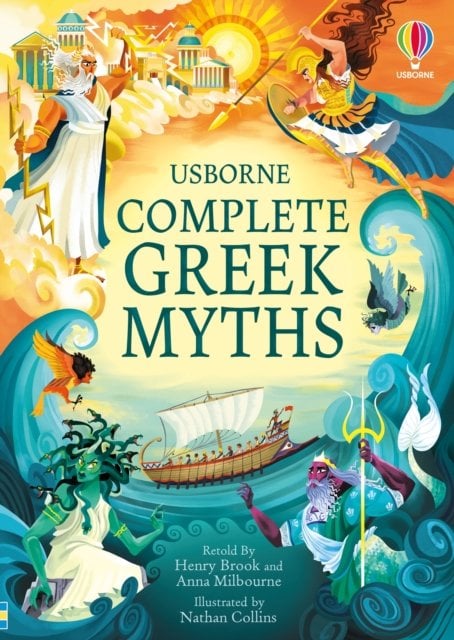
Complete Greek Myths: An Illustrated Book of Greek Myths
Featuring detailed retellings, beautiful character illustrations, and cultural background, this comprehensive volume brings the best-known and obscure Greek myths to life for readers of all ages. Complete with maps, a glossary, and a QR code for pronunciation guides and extra resources, it is an essential addition to any family bookshelf.
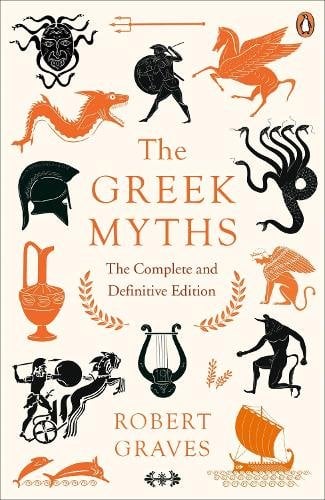
The Greek Myths: The Complete and Definitive Edition
Robert Graves’s definitive edition weaves the classic Greek myths, from the Labours of Hercules to the Trojan War, into one sweeping, authoritative narrative. Perfect for both first-time readers and classicists, this comprehensive volume combines engaging storytelling with detailed scholarly commentary and a complete index of names.
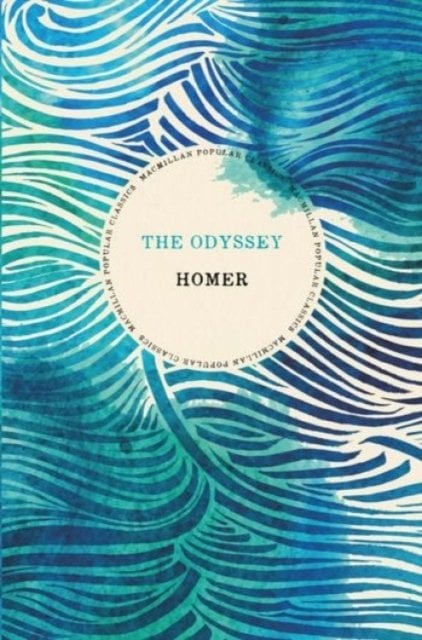
The Odyssey
Homer’s timeless epic The Odyssey follows the hero Odysseus on a perilous decade-long journey home from Troy, facing mythical monsters and divine wrath. Meanwhile, his wife Penelope and son Telemachus defend their kingdom against ruthless suitors in this classic tale of loyalty and endurance.