The Lore of the Aesir and Vanir: Two Tribes of Gods
The Lore of the Aesir and Vanir: Two Tribes of Gods
In the rich tapestry of Norse mythology, two distinct tribes of gods stand out—the Aesir and the Vanir. These two groups not only represent different aspects of the divine but also reflect the complexities of ancient Norse society, beliefs, and traditions. Understanding their lore helps illuminate the intricate connections between nature, spirituality, and the human experience in Norse culture.
The Aesir: Masters of War and Wisdom
The Aesir are often perceived as the principal pantheon of gods in Norse mythology. They reside in Asgard, a majestic realm connected to Midgard (the world of humans) by the Bifröst, a shimmering rainbow bridge. The Aesir are characterized by their warrior-like qualities, wisdom, and associations with various aspects of life, such as justice and governance.
Prominent Aesir Deities
-
Odin: The All-Father and chief of the Aesir, Odin embodies knowledge, war, and poetry. He sacrificed one of his eyes for wisdom and is often depicted as a wandering old man, seeking knowledge and understanding. His two ravens, Huginn and Muninn (thought and memory), symbolize his relentless pursuit of information.
-
Thor: The god of thunder, strength, and protection, Thor is perhaps the most famous Aesir deity, thanks in part to modern adaptations in popular culture. Wielding the mighty hammer Mjölnir, he defends Asgard against the giants, embodying the virtues of bravery and loyalty.
-
Frigg: Odin’s wife and the goddess of marriage and motherhood, Frigg is associated with foresight and domesticity. She weaves the destinies of mortals and has deep ties to the art of prophecy, although she often keeps her knowledge hidden.
-
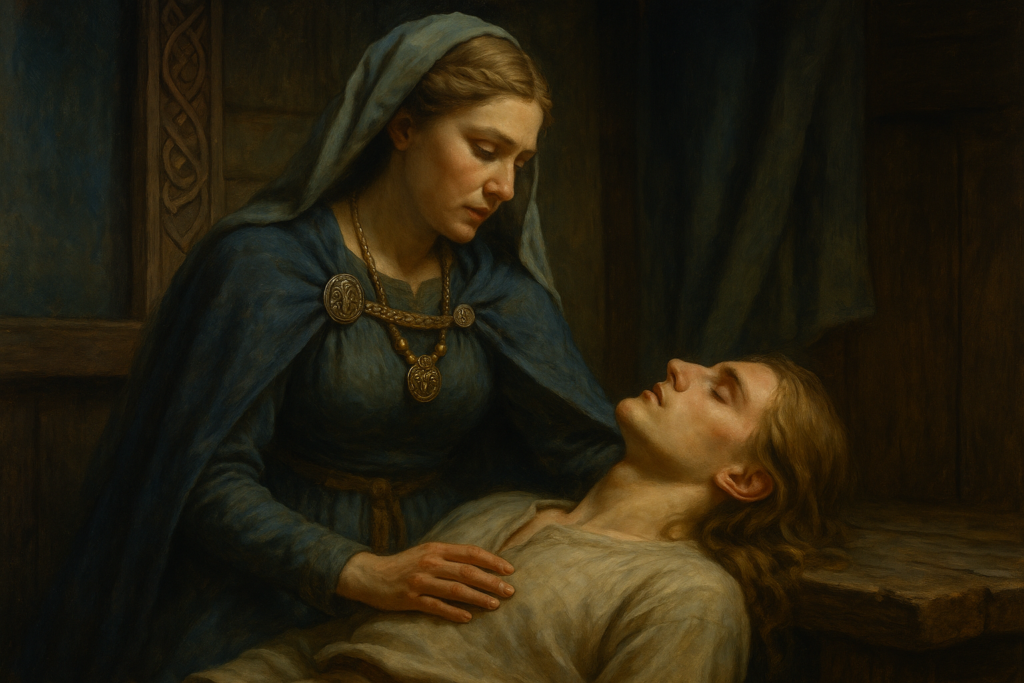
Baldr: The epitome of beauty and goodness, Baldr’s story is one of tragedy. His death, orchestrated by Loki, is a pivotal event in Norse mythology that sets off a chain of catastrophes culminating in Ragnarök, the apocalyptic end of the world.
The Aesir’s Role in Norse Culture
The Aesir gods symbolize the human struggle against chaos, embodying ideals of honor, bravery, and wisdom. Their stories served not just as entertainment but as moral lessons, guiding the actions and beliefs of the Norse people. Rituals and sacrifices to the Aesir were commonplace, particularly during battles, as warriors sought their favor for victory.
The Vanir: Gods of Fertility and Prosperity
In contrast, the Vanir represent a different aspect of divinity that emphasizes nature, fertility, and prosperity. They are often associated with agricultural practices, weather patterns, and the cycles of life. The Vanir call Vanaheim their home—a realm characterized by abundance and natural beauty.
Prominent Vanir Deities
-
Njörd: The god of wind and sea, Njörd is closely linked to seafaring, wealth, and prosperity. He is often invoked for successful voyages and bountiful harvests. His dual affiliations with both the sea and the land illustrate the interconnectedness of life in Norse culture.
-
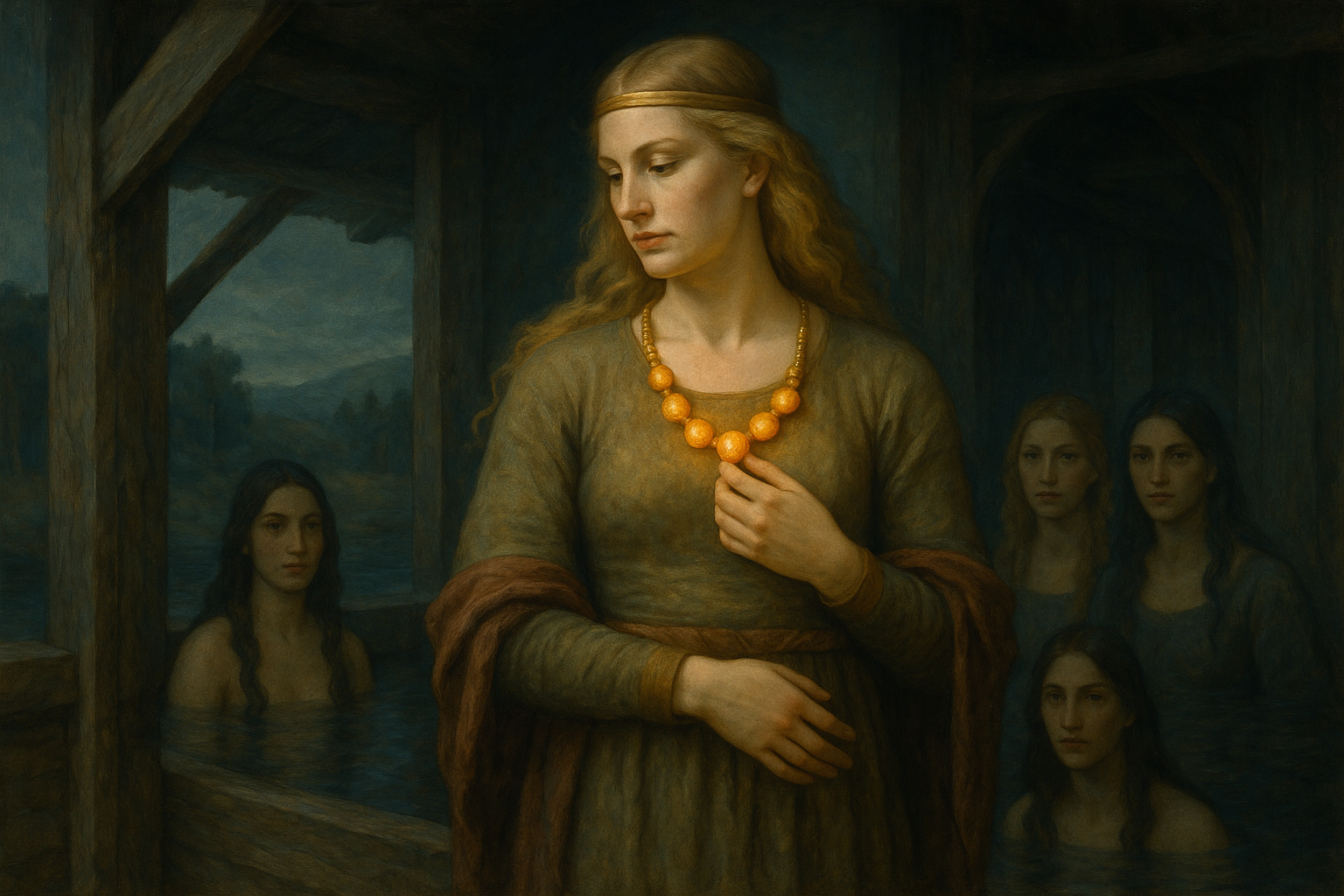
Freyja: A prominent figure among the Vanir, Freyja is associated with love, beauty, war, and fertility. She is a powerful goddess who can manipulate destiny and is revered for her knowledge of seidr (a form of magic). Freyja’s chariot, pulled by two cats, symbolizes her connection to both the domestic and the wild.
-
Frey: Freyja’s brother, Frey, is similarly linked to fertility and the prosperity of the land. He is often associated with the sun and rain, which are vital for successful agriculture. His association with the boar Gullinbursti signifies strength and abundance.
The Vanir’s Place in Norse Lore
The Vanir highlight the importance of agriculture, fertility, and prosperity—elements crucial to a society primarily dependent on farming and trade. Their allure lies in their connection to the Earth, and they reflect the cycle of life and death intrinsic to nature. Unlike the Aesir, who often represent conquest and power, the Vanir bring forth themes of nurturing, life, and renewal.
The Aesir-Vanir War: A Conflict of Ideals
The relationship between the Aesir and Vanir began with conflict, known as the Aesir-Vanir War. This war arose from misunderstandings and differing values between the two tribes. The Aesir sought to assert their dominance, while the Vanir defended their way of life.
The war ultimately concluded in a truce, leading to an intermingling of the two groups. As part of this agreement, the Aesir received hostages from the Vanir—most notably Njörd and his children, Frey and Freyja. This blending of deities symbolized a unification of ideals: the Aesir’s warrior-centric ethos merged with the Vanir’s emphasis on fertility and prosperity.
Myths and Legends: Shared Stories
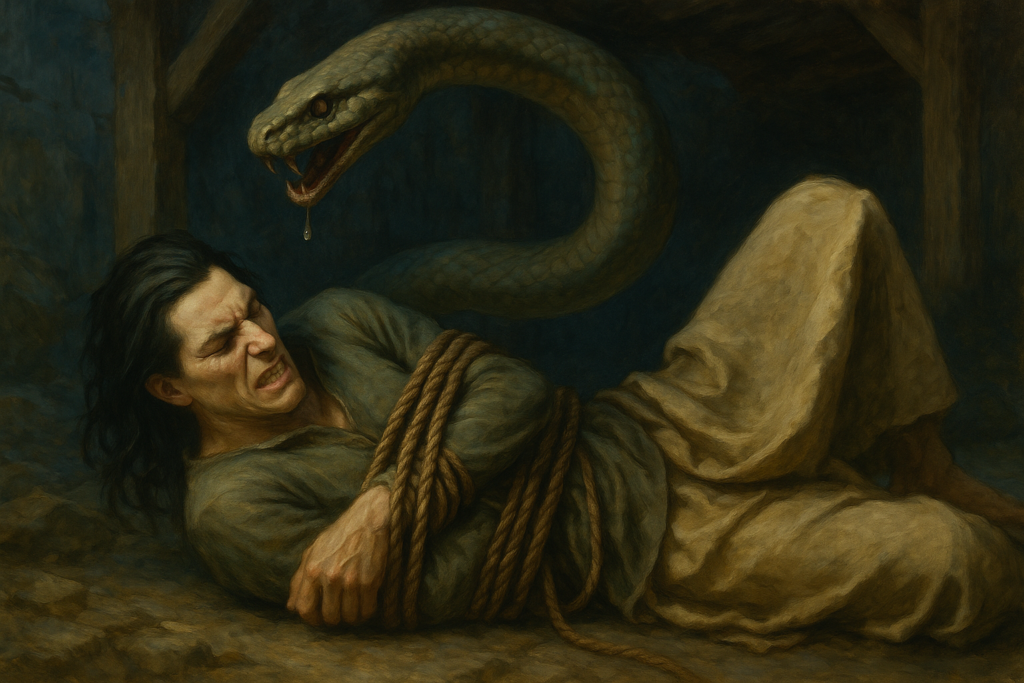
Many myths involve both Aesir and Vanir gods, illustrating their combined influence over the world. For example, the tale of Baldr’s death features Loki, a complex figure who straddles both groups, demonstrating the interconnectedness of Aesir and Vanir lore. This narrative showcases themes of deception, fate, and inevitability, all integral to the Norse understanding of life and death.
Moreover, the Vanir’s celebration during the harvest season, known as “Freyr’s Feast,” reflects the reverence for prosperity and nature. This blending of rituals further emphasizes how these two divine tribes coexisted and influenced each other.
Conclusion: A Duality of Divinity
The Aesir and Vanir highlight dual aspects of divinity within Norse mythology. Together, they form a composite understanding of existence—one that intertwines the ideals of power and wisdom with nature and fertility. Their stories, imbued with lessons about honor, sacrifice, and the importance of balance, continue to resonate in modern interpretations and adaptations of Norse mythology.
In essence, the lore of the Aesir and Vanir serves as a mirror to human experience, illustrating both the struggles and joys found within the cycles of life. By understanding these distinct yet interconnected tribes of gods, we gain deeper insights into the beliefs and values that shaped the Norse worldview.