The Symbolism of the Ankh: Life and Immortality
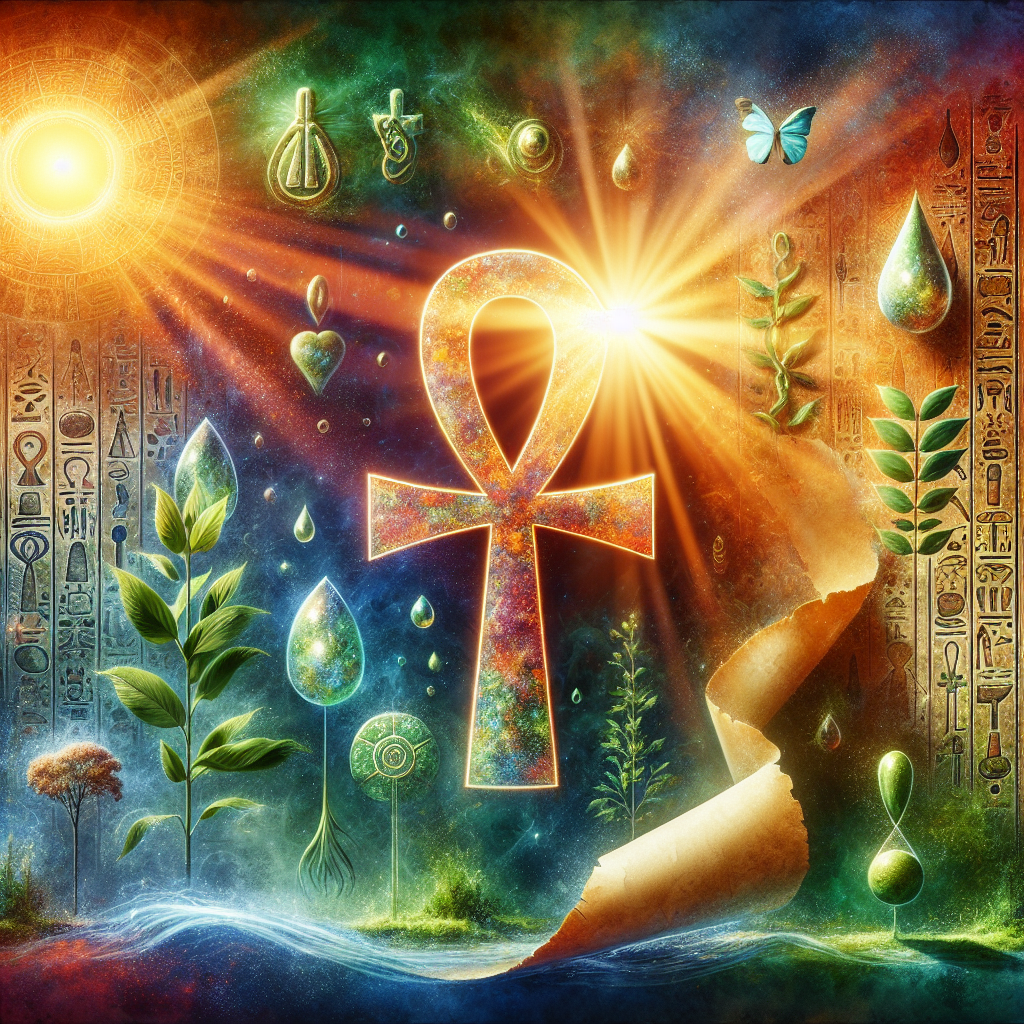
The ankh, often recognized as a cross with a loop at the top, is one of the most significant symbols of ancient Egypt. Its design inherently represents life and immortality, encapsulating the core principles of existence that were vital to the Egyptian worldview. This article delves into the origins, meanings, and cultural implications of the ankh, highlighting its lasting impact on art, religion, and contemporary interpretations.
Origins of the Ankh
The ankh’s origins can be traced back to the earliest periods of Egyptian civilization, dating around 4000 BCE. Frequently depicted in hieroglyphics and artwork, the ankh was used in various contexts, most notably in funerary practices and religious iconography. The symbol was commonly found in tombs, signifying the hope for eternal life after death, reflecting the Egyptians’ beliefs about the afterlife and the soul’s journey.
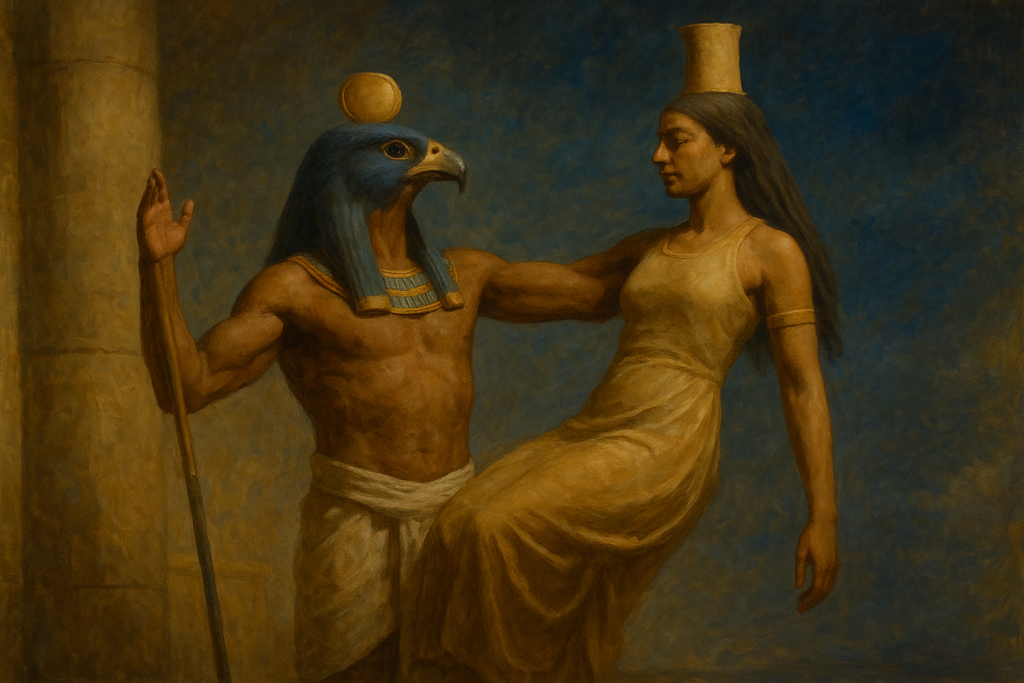
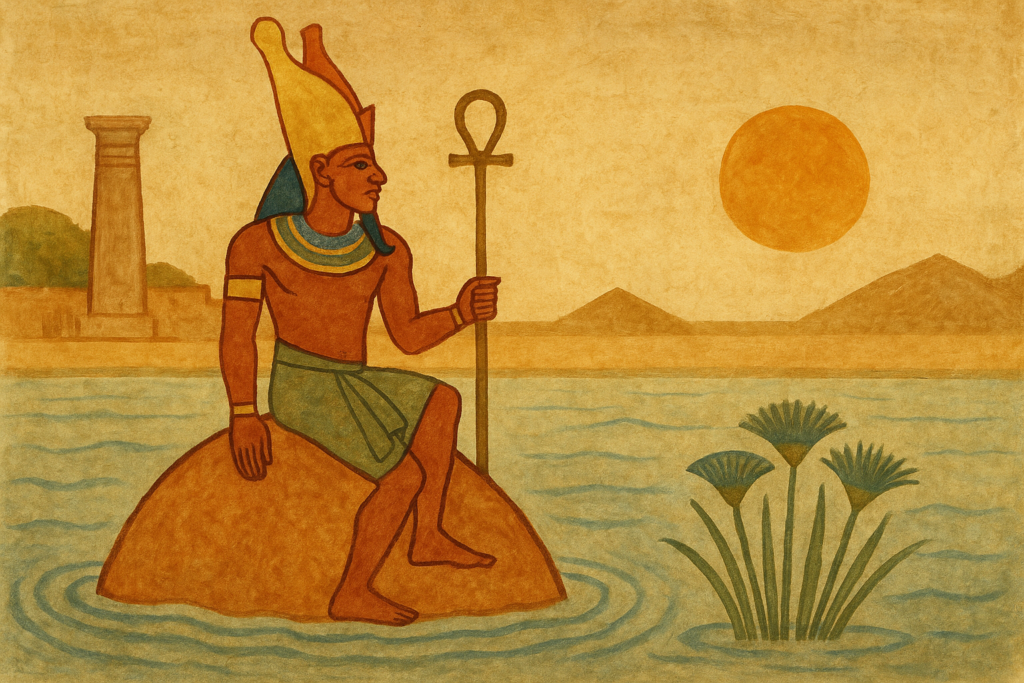
The ankh is not merely an abstract symbol; it is often associated with several deities in the ancient Egyptian pantheon. It was linked to Osiris, the god of the afterlife, and Isis, the goddess of motherhood and magic. In many depictions, gods and goddesses are shown holding the ankh, offering it to pharaohs as a symbol of life and divine protection. This reinforces its role as a bridge between the mortal realm and the divine, advocating the idea that life is sacred and continuous.
Symbolism of Life
At its core, the ankh symbolizes life itself. The loop at the top is thought to represent the womb, signifying fertility and the continuation of life. This interpretation emphasizes the importance of birth and regeneration within Egyptian culture. The vertical and horizontal lines can be viewed as a representation of the interactions between masculine and feminine principles, further supporting the concept of balance and unity in life.
Additionally, the ankh is often seen as a symbol of health and wellbeing. Various amulets bearing the ankh were worn by individuals to protect them from illness and misfortune, further proliferating its association with vitality. In a society that venerated life so deeply, the ankh served as both a protective charm and a talisman of success in daily life.
Symbolism of Immortality
The ankh’s association with immortality is perhaps its most profound aspect. The ancient Egyptians believed that life did not end with physical death but continued in the afterlife. The ankh represented this continuity, embodying the philosophy that the soul traverses the realms of existence, seeking peace and fulfillment outside the confines of the human body.
In funerary contexts, the ankh was inscribed on coffins and walls of tombs, guiding the deceased to the afterlife. It also appeared in funerary offerings, which were intended to ensure the dead would enjoy life in the afterworld. This belief in immortality reflects a deep understanding of existence that transcends the mere physical form, suggesting that human actions and souls live on through time, influencing future generations.
Artistic Representations
Artwork from ancient Egypt is replete with the ankh, showcasing its multifaceted significance. This symbol frequently appears in paintings, carvings, and jewelry, depicting its importance in daily life and religious ceremonies. In many cases, pharaohs and deities are portrayed holding the ankh in one hand, symbolizing that they possess the key to life and immortality. Artists rendered the ankh in intricate detail, ensuring its prominence in every piece.
The ankh also symbolizes the connection between life and the natural world. It appears alongside representations of the Nile River, which was essential to Egyptian agriculture and survival. This duality encapsulates the belief that life is a cycle, governed by natural laws and divine order.
The Ankh in Modern Culture
The symbolism of the ankh has transcended its original cultural context, evolving into a significant emblem in contemporary spirituality and popular culture. Its adoption in modern times highlights a shared human desire for understanding life and the mysteries of existence. The ankh has become a symbol of peace and spiritual enlightenment in various beliefs and practices, particularly within the metaphysical community.
Moreover, the ankh’s aesthetic appeal has led to its widespread use in jewelry and fashion. Many people don the ankh as a personal symbol of life and eternity, viewing it not only as a decorative piece but as a spiritual talisman. As cultural exchanges and globalization continue, the ankh remains a poignant reminder of humanity’s quest for meaning and continuity.
The Ankh in Comparative Symbolism
Exploring the ankh alongside other symbols of life and immortality reveals fascinating parallels and contrasts. For example, the Christian cross symbolizes the resurrection and eternal life through Jesus Christ. Similarly, the Tree of Life in various traditions represents interconnectedness and the cycle of life. Studying these symbols shows how different cultures conceptualize similar ideas—life, death, and eternal existence—while employing unique representations.
In this light, the ankh serves as a bridge between ancient beliefs and modern interpretations, showcasing how symbols can evolve and resonate through time. The enduring nature of the ankh reinforces the timeless human fascination with the mysteries of life and the promise of immortality.
Conclusion
The ankh stands as one of history’s most powerful and evocative symbols, encapsulating profound concepts of life and immortality. From its ancient Egyptian roots to its modern-day interpretations, the ankh has endured as a vital emblem of hope, protection, and spiritual continuity. As we navigate through life and grapple with the questions of existence, the ankh reminds us that the journey transcends the physical realm, celebrating the essence of life that persists throughout time. Whether in art, religion, or personal belief, the ankh continues to illuminate the path toward understanding the eternal cycle of life, death, and rebirth.