Egyptian Myth vs. Greek Myth: Comparative Analysis
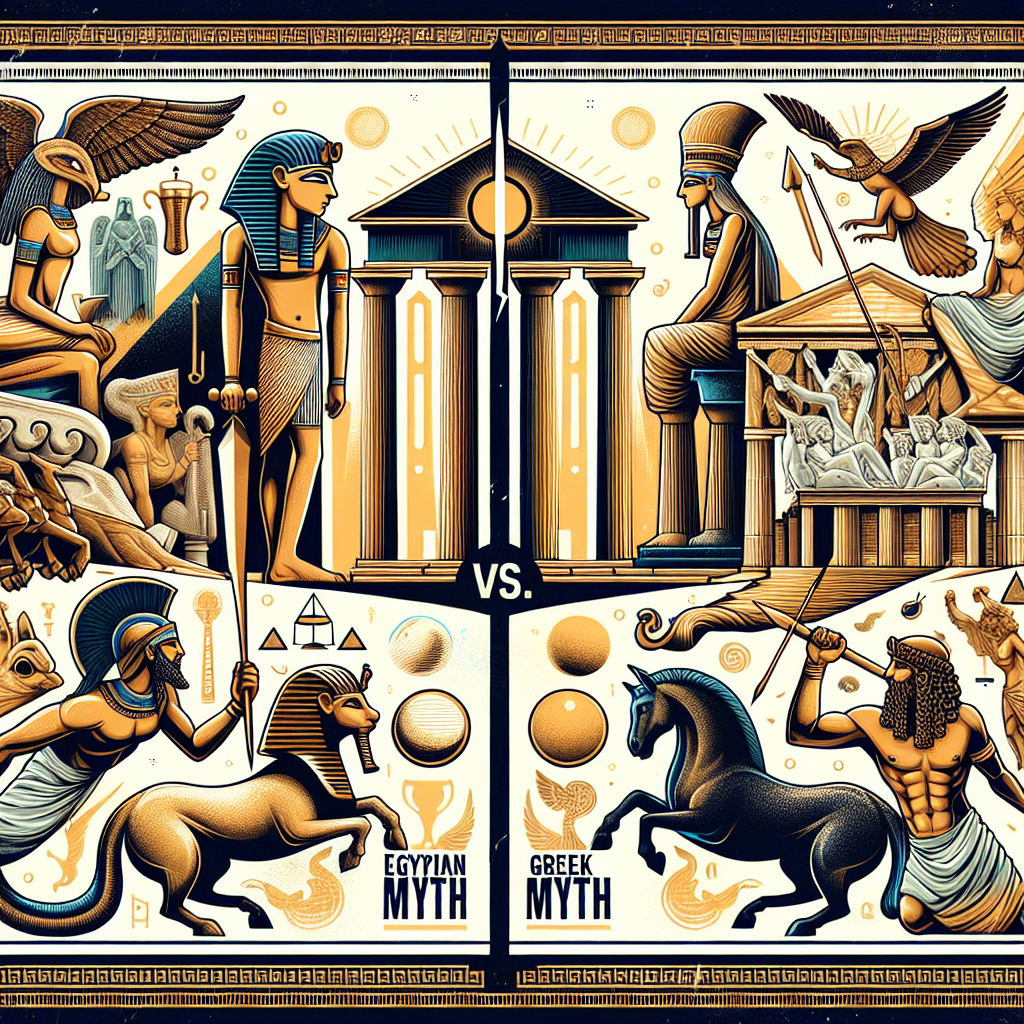
Mythology has long served as a means for cultures to explain the unexplainable, offering insights into their beliefs, values, and worldviews. Among the most fascinating and widely studied mythological systems are those of Ancient Egypt and Ancient Greece. While both traditions share similarities in their polytheistic nature, rich pantheons, and symbolic narratives, they also display distinct differences rooted in their respective cultural, historical, and geographical contexts. This article will explore and compare these two rich mythological traditions, delving into their deities, creation myths, moral frameworks, and cultural significance.
Pantheon and Deities
Egyptian Mythology
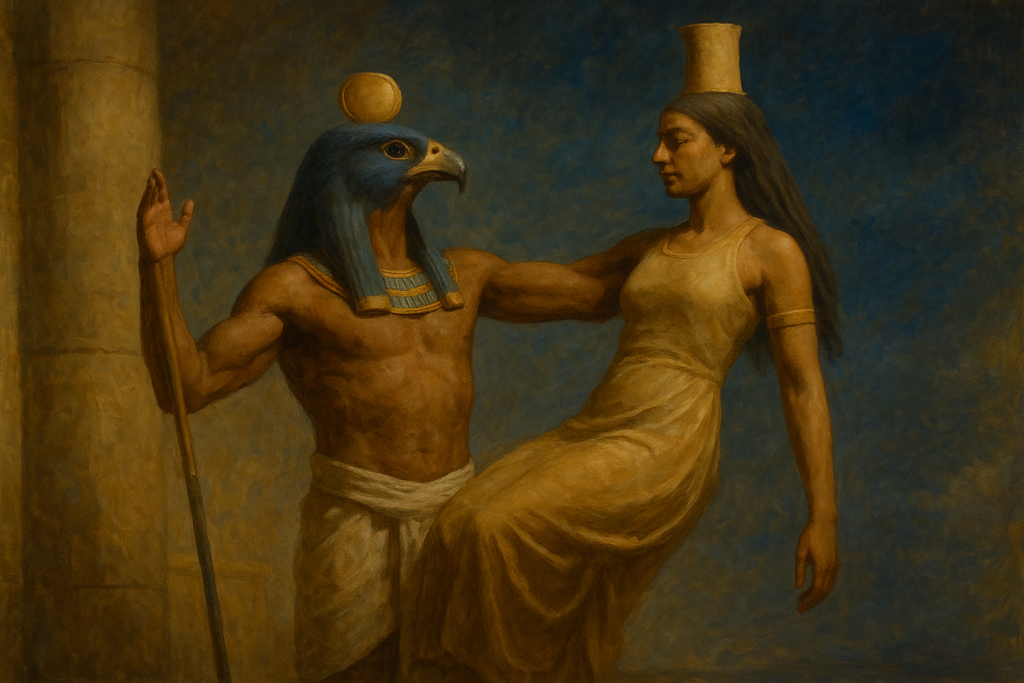
Egyptian mythology revolves around a pantheon of gods and goddesses, each embodying specific aspects of life, nature, and the universe. Notable deities include Ra (the sun god), Osiris (the god of the afterlife), Isis (the goddess of magic and motherhood), and Anubis (the god of mummification and the afterlife). The Egyptian gods were often depicted with animal heads, symbolizing various traits and powers—like the jackal-headed Anubis, symbolizing protection and transitioning into the afterlife.
The Egyptians had a complex relationship with their gods, often viewing them as powerful entities that required reverence and rituals to appease. The pharaohs were considered divine intermediaries, bridging the gap between the gods and the people, thus reinforcing the social structure and cultural identity of Ancient Egypt.
Greek Mythology
In contrast, Greek mythology features a pantheon of gods and goddesses that reflect a more anthropocentric perspective, with deities such as Zeus (the king of the gods), Athena (goddess of wisdom), and Dionysus (god of wine and festivity). Greek gods are portrayed with human traits, including emotions, flaws, and conflicts, making them relatable to mortals. This anthropomorphism allows Greek myths to explore human experiences—love, jealousy, ambition, and betrayal.
While the Greek deities also wield considerable power, they often interact with the mortal realm, participating in human affairs and occasionally coming to the aid or hindrance of humanity. This intersection of divine and mortal spheres allows for narrative flexibility, giving rise to tales that explore the complexity of human nature.
Creation Myths
Egyptian Creation
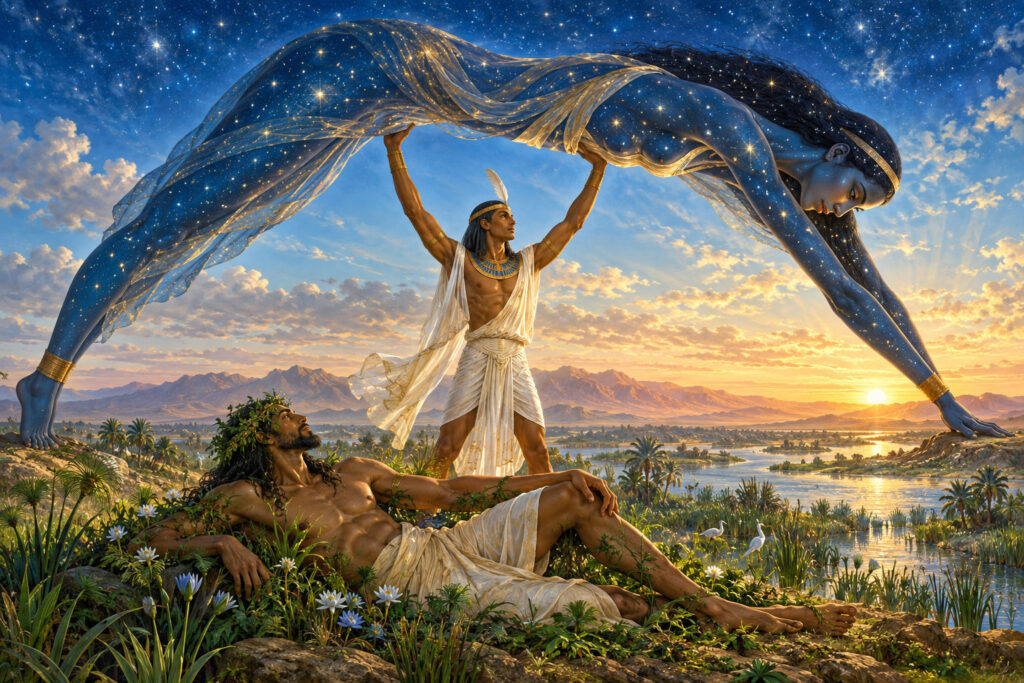
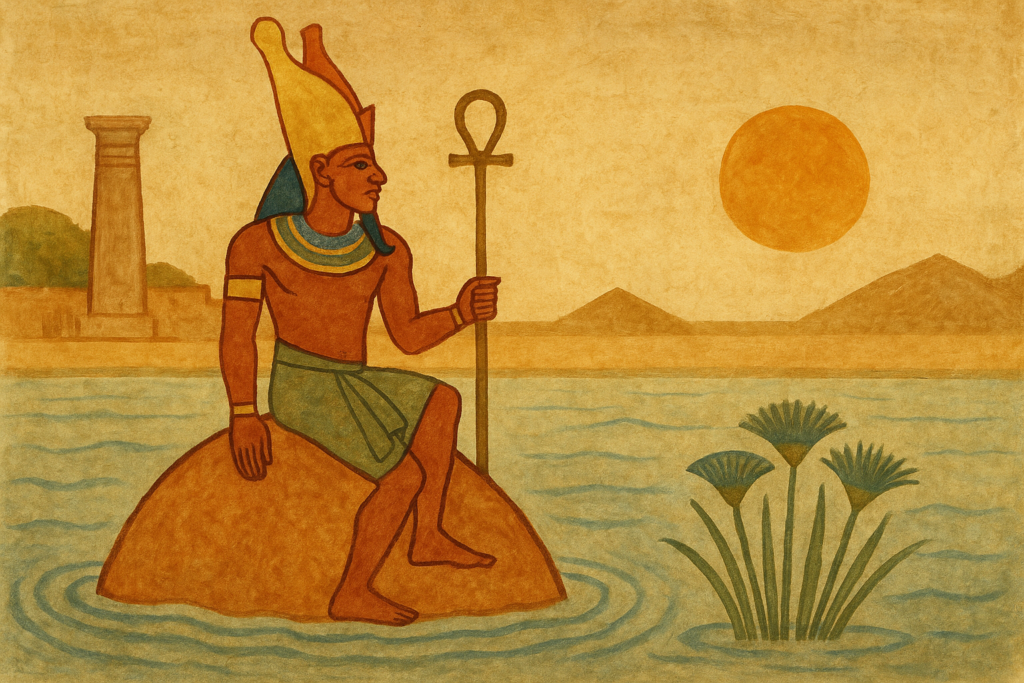
Egyptian creation myths vary considerably, with different cities worshipping different deities. One prominent version involves the god Atum, who emerged from the primordial waters of chaos and created the world through an act of will and speech. Atum produced the first deities, Shu (air) and Tefnut (moisture), who gave birth to the earth (Geb) and the sky (Nut). The cyclical nature of this creation emphasizes renewal, reflecting Egypt’s agricultural society and the annual flooding of the Nile.
Often, these myths are imbued with a strong sense of order (ma’at) and the balance seen in nature. The afterlife is similarly viewed as a continuation of life on earth, reflecting the social order maintained through rituals and moral conduct.
Greek Creation
Greek creation myths, particularly seen in Hesiod’s “Theogony,” present a different narrative arc. Chaos represents the void from which the primordial deities emerged: Gaia (the Earth), Tartarus (the Abyss), and Eros (Love). From these deities, the Titans were born, leading to a struggle for power between them and the Olympian gods, culminating in the reign of Zeus.
This mythological framework emphasizes competition, conflict, and transformation, aligning closely with Greek values like heroism, individualism, and the quest for knowledge. The Greek creation story reflects their understanding of chaos and order, showcasing the violent and unpredictable forces that shape human existence.
Moral Framework
Egyptian Moral Structure
Egyptian mythology reflects a strong sense of justice and morality tied to the concept of ma’at, which represents truth, balance, and cosmic order. The prevailing belief in an afterlife emphasizes moral rectitude: one’s deeds in life determine their fate after death. The “Weighing of the Heart” ceremony, where the deceased’s heart is balanced against the feather of Ma’at, symbolizes this moral order. If the heart is lighter than the feather, the deceased is granted passage to the afterlife; if heavier, they are devoured by the monster Ammit.
This moral framework fosters a collective social identity, encouraging adherence to social norms and laws, thus maintaining harmony within the community.
Greek Moral Structure
Greek mythology often reflects a more individualistic approach to morality. The heroes of Greek myths face trials that test their virtues and vices, showcasing qualities like bravery, cunning, and Hubris (excessive pride). Unlike Egyptian beliefs that emphasize social order, Greek myths often celebrate personal endeavor and the quest for glory.
Greek tragedies usually end in catastrophe, driven by fate or the hero’s own flaws, illustrating complex moral dilemmas. The outcomes serve as cautionary tales, illuminating the consequences of actions and the unpredictability of life.
Cultural Significance
Both Egyptian and Greek myths served as essential tools in expressing cultural identity. Egyptian mythology reinforced state authority and religious devotion, shaping societal norms that governed daily life. Temples, rituals, and monumental art reflected the gods and immortalized pharaonic power.
Greek mythology, however, influenced literature, philosophy, and the arts, inspiring generations to explore human thought, ethical questions, and aesthetic beauty. The tragic hero, the epic quest, and the exploration of morality resonate through Western literature, showcasing how Greek thought fundamentally shaped Western civilization.
Conclusion
In comparing Egyptian and Greek mythology, we find a rich tapestry of beliefs that speak to the values and concerns of their respective cultures. Egyptian mythology emphasizes communal identity, order, and the afterlife, while Greek mythology focuses on individuality, conflict, and the human experience. Together, they provide a lens through which we can explore ancient civilizations, revealing how deeply embedded mythological narratives influenced cultural development, social structures, and human understanding. The interplay between these two mythological systems not only enriches our comprehension of ancient cultures but also continues to resonate in contemporary narratives, reminding us that stories—whether divine or human—are essential to our understanding of ourselves and our world.