The Mythological Roots of Earth’s Natural Wonders
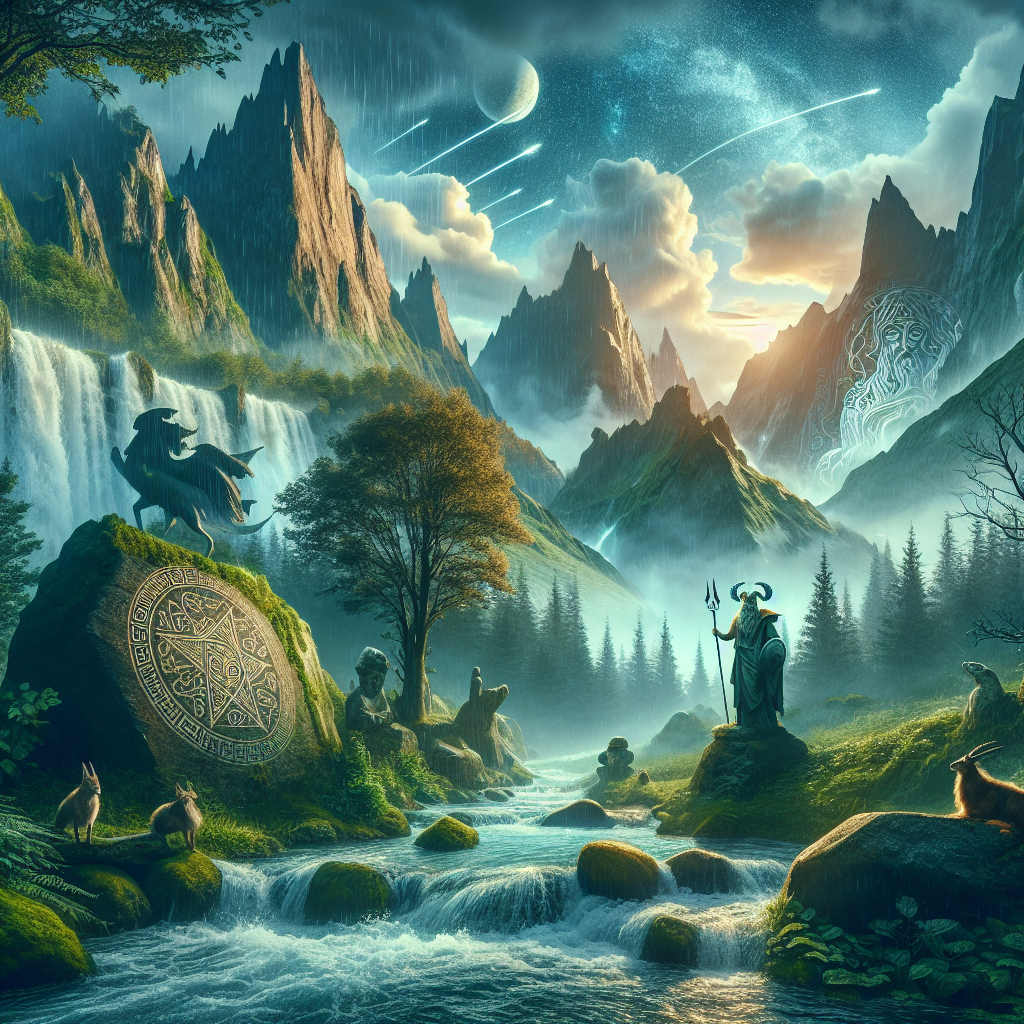
The beauty and grandeur of Earth’s natural wonders have captured the human imagination for millennia. From the towering peaks of the Himalayas to the vast expanse of the Grand Canyon, these landscapes are not merely geological formations; they are enmeshed with the myths and legends that cultures have created to explain the world around them. This article delves into some of these remarkable natural sites and the rich tapestry of mythology that surrounds them.
The Grand Canyon: A Woven Tapestry of Legends
The Grand Canyon is a colossal chasm carved into the arid environment of northern Arizona, yet it’s not just its majestic size that leaves an impression; it’s also the myriad stories that the canyon holds. Indigenous tribes, particularly the Havasupai and Hopi, have long regarded the Grand Canyon as sacred. For them, the canyon is not just a geological formation but a living entity with a spirit of its own, intricately woven into their creation myths.
One Hopi legend explains that the First People emerged from the Grand Canyon after a great flood, guided by the spirit of the creator. This narrative demonstrates that the canyon is not merely a place for awe; it is a spiritual landscape where the physical and metaphysical intertwine. The same sentiment resonates in many cultures, suggesting that Earth’s natural wonders serve as a bridge between the human experience and the divine.
Mount Olympus: The Dwelling of Gods
In Greece, Mount Olympus reigns as the highest peak, but it is also steeped in mythological significance. According to ancient Greek mythology, Olympus was the dwelling place of the twelve Olympian gods, including Zeus, Hera, and Athena. This majestic mountain was believed to be shrouded in clouds, where mortals could not tread, allowing only the divine to reside.
The legends surrounding Mount Olympus portray it as a place of eternal spring, existing outside the confines of time and decay. The mountain’s allure not only attract explorers but also artists, poets, and thinkers who found inspiration in its majesty. As the Greeks gazed upon Olympus, they saw more than a peak; they perceived a realm of possibilities where humanity could aspire to the divine.
The Northern Lights: Celestial Narratives
The Aurora Borealis, or Northern Lights, is a breathtaking natural phenomenon that has fascinated people across cultures. In Norse mythology, these ethereal lights were believed to be the reflections of the Valkyries, warrior maidens who would escort fallen heroes to Valhalla. In this context, the Northern Lights were not simply a meteorological event but a sign of valor and glory in the afterlife.
Similarly, Inuit tribes viewed the Aurora as the spirits of their ancestors playing games in the sky, engaging in a cosmic dance that connected the living and the dead. This perspective transforms a natural spectacle into a deep cultural narrative, serving as a reminder of humanity’s eternal bond with the cosmos and its own history.
The Great Barrier Reef: A Living Mosaic of Myths
Australia’s Great Barrier Reef is the largest coral reef system in the world and a UNESCO World Heritage site. But beneath its vivid colors lies a wealth of Aboriginal and Torres Strait Islander stories that illustrate the connection between the Indigenous peoples and their natural environment.
One such narrative involves the Rainbow Serpent, a creator being in many Aboriginal cultures. The Rainbow Serpent is often associated with rain and water, and as she slithers through the landscape, she creates rivers, lakes, and in this case, the intricate formations of the Great Barrier Reef. This myth reflects the deep respect these cultures have for nature, portraying the reef as a living entity that deserves reverence.
The Mississippi River: Flow of Time and Identity
Flowing through North America, the Mississippi River has long been a cultural lifeline for many Indigenous tribes, such as the Dakota and Ojibwe peoples. The river is frequently featured in their oral traditions as a vital source of life and a route that connects different communities.
In mythology, the river has been viewed as a great serpent, winding its way through the landscape, shaping the land, and sustaining its people. The river not only carries water; it also carries stories, memories, and lives, becoming a metaphor for the passage of time and the interconnectedness of all beings.
The Himalayas: Cosmic Peaks of Spirituality
The Himalayas, home to some of the world’s tallest peaks, hold a revered place in Hindu and Buddhist traditions. In Hindu mythology, Mount Kailash is described as the abode of Lord Shiva, and the entire range is considered a sacred place, where the earthly realm meets the divine. Pilgrimages to these mountains involve not just physical exertion but also spiritual awakening.
Buddhism also finds roots in these lofty heights, as Siddhartha Gautama attained enlightenment under the Bodhi tree in Bodh Gaya, not far from the Himalayan foothills. The mountains serve as silent witnesses to the spiritual journeys undertaken by millions through the ages, symbolizing the quest for higher consciousness and inner peace.
The Amazon Rainforest: A Living Myth
The Amazon rainforest is often referred to as the “lungs of the Earth,” but it is also a cradle of myth. The indigenous peoples of the Amazon treasure their intricate tales of creation, spirits, and nature. The forest is believed to be inhabited by numerous spirits (or “Iara”), which guide the lives of those who live in it.
One particular narrative speaks of a celestial being who descended to Earth, creating the rivers and flora of the rainforest. This mythology instills a sense of stewardship among the indigenous tribes, who regard themselves as protectors of this sacred land rather than mere inhabitants.
Conclusion
The natural wonders of Earth are more than mere formations; they are woven into the cultural fabric of humanity. Each mountain, river, and forest holds stories that speak to our collective yearning for meaning and connection. From the Grand Canyon to the Amazon, these sites serve as reminders that our landscapes are infused with narratives that span generations, offering us wisdom and insight into our own place within the natural world. They invite us to look beyond the surface and recognize that Earth’s beauty is intertwined with the myths that shape our understanding of existence. In a world increasingly dominated by technology, these ancient stories remain a crucial connection to our past, grounding us in a rich history that reminds us of the magic inherent in our planet.
Recommended reading
These are affiliate links. If you buy through them, we may earn a commission at no extra cost to you.
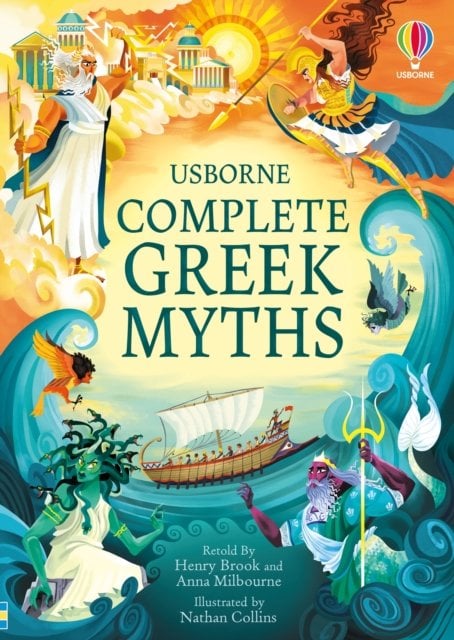
Complete Greek Myths: An Illustrated Book of Greek Myths
Featuring detailed retellings, beautiful character illustrations, and cultural background, this comprehensive volume brings the best-known and obscure Greek myths to life for readers of all ages. Complete with maps, a glossary, and a QR code for pronunciation guides and extra resources, it is an essential addition to any family bookshelf.
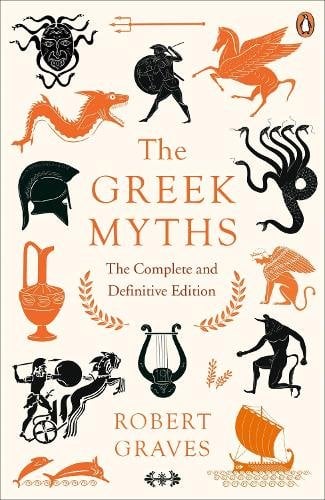
The Greek Myths: The Complete and Definitive Edition
Robert Graves’s definitive edition weaves the classic Greek myths, from the Labours of Hercules to the Trojan War, into one sweeping, authoritative narrative. Perfect for both first-time readers and classicists, this comprehensive volume combines engaging storytelling with detailed scholarly commentary and a complete index of names.
The Odyssey
Homer’s timeless epic The Odyssey follows the hero Odysseus on a perilous decade-long journey home from Troy, facing mythical monsters and divine wrath. Meanwhile, his wife Penelope and son Telemachus defend their kingdom against ruthless suitors in this classic tale of loyalty and endurance.