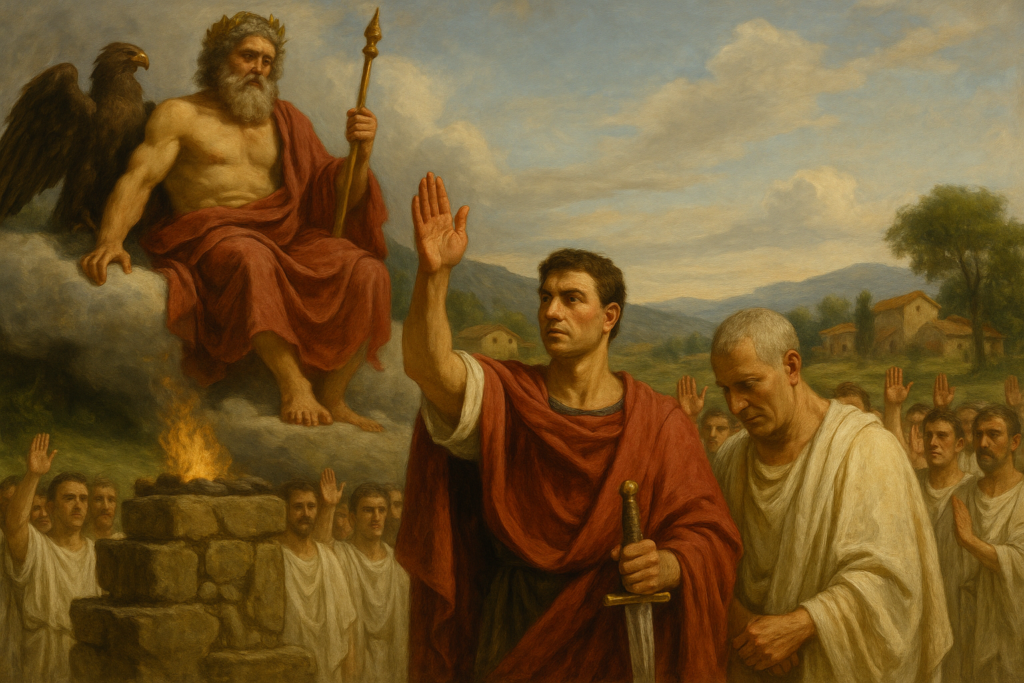
The Significance of the Lupercalia Festival
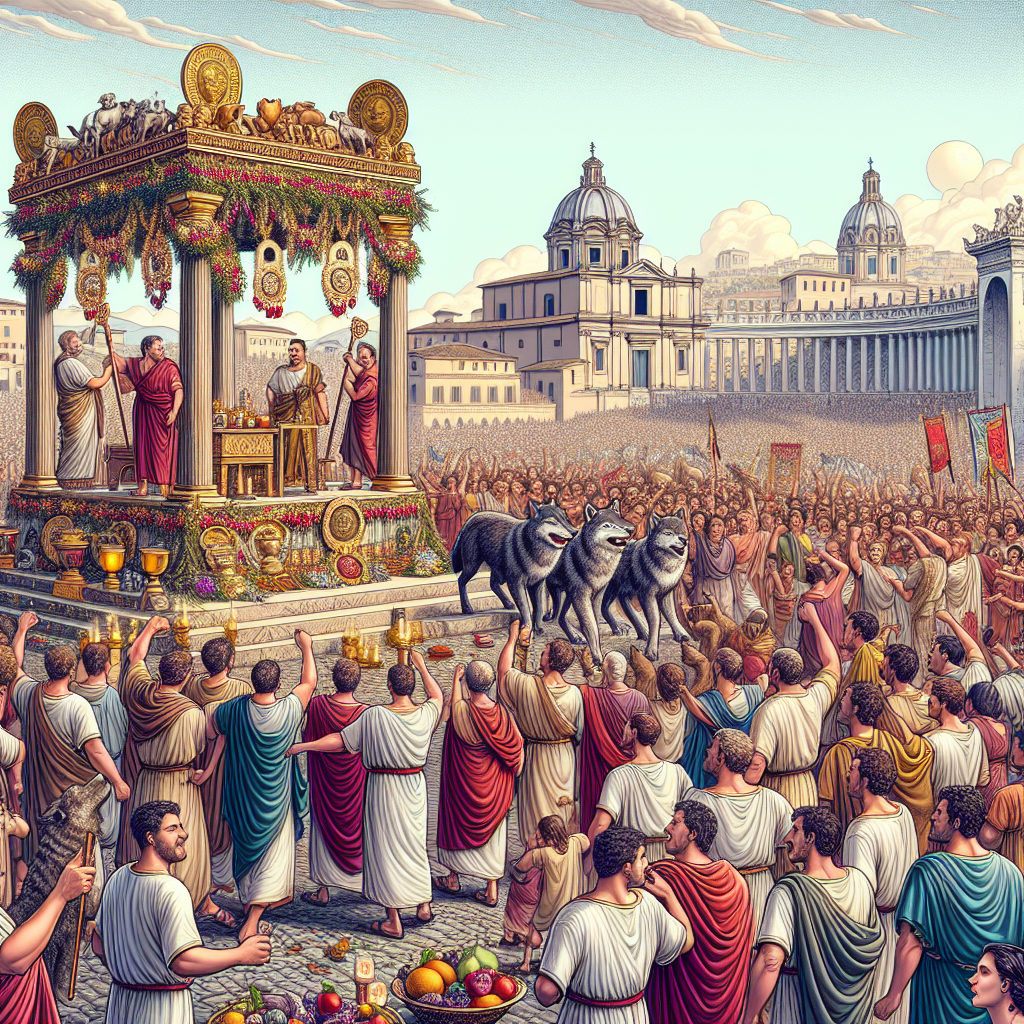
The Significance of the Lupercalia Festival
The ancient Roman festival known as Lupercalia, held annually on February 15, is one of the most fascinating examples of ancient cultural and religious practices. Rooted in the earliest days of Rome, Lupercalia is steeped in mythological significance, reflecting the societal values and beliefs of the Romans. This festival not only highlights ancient Roman traditions but also provides insights into the evolution of later customs, notably those associated with love and fertility.
Historical Context
Lupercalia is believed to date back to the 6th century BCE, rooted in early Roman history and mythology. It was ostensibly a pastoral festival linked to fertility and the protection of livestock, essential in an agrarian society. The name “Lupercalia” derives from “Lupercus,” a deity associated with fertility and the protection of flocks. The festival was celebrated near the cave of Lupercal, where, according to legend, the she-wolf (lupa) nursed the twins Romulus and Remus, the founders of Rome.
The festival was traditionally marked by a series of rituals performed by a group known as the Luperci, comprised of young men from noble families. These men would don goatskin tunics, which symbolized their connection to both animals and fertility, and engage in various rites and celebrations designed to invoke blessings for health, fertility, and protection for the community.
Rituals and Customs
Lupercalia was characterized by a number of distinct and vivid rituals. One of the hallmark practices involved the sacrifice of goats at the Lupercal cave. After offering the sacrifices, the Luperci would cut strips from the goats’ hides and dip them in sacrificial blood, creating what were called “februa.” This step symbolized purification and the celebration of life, echoing the themes of fertility and renewal.
Once the sacrifices were complete, the Luperci would roam the streets of Rome, playfully striking passersby with the februa. This act was believed to confer blessings of fertility; women, in particular, welcomed these playful strikes, believing it would increase their chances of conception. This ritual demonstrates how deeply intertwined fertility, sexuality, and community were within Roman society.
Another significant aspect of Lupercalia was the pairing of young men and women through a lottery system. During the festival, names of young women would be placed in an urn, and men would draw names at random. This practice not only encouraged social interaction but also promoted potential romantic connections, cultivating an environment of playful flirtation and, perhaps, sensuality.
Societal Impact
The celebrations and rituals of Lupercalia reflect broader societal values regarding fertility, love, and sexuality within ancient Rome. The festival illustrated the Romans’ desire to balance the forces of nature and ensure the continued prosperity of their agrarian society. It highlighted the importance of fertility—not only in terms of agriculture but also in ensuring the survival and growth of the Roman populace.
Lupercalia also provided a space for social commentary and subversion. The playful nature of the festivities allowed young men and women to explore their desires in a culturally sanctioned context, distinguishing between the constraints of day-to-day life and the liberated atmosphere of the festival. Through humor and revelry, the festival allowed participants to navigate societal expectations, making it an essential part of the Roman cultural landscape.
The Transition to Christian Tradition
As Christianity began to spread throughout the Roman Empire, many pagan festivals, including Lupercalia, faced scrutiny. By the 5th century CE, Bishop Gelasius I sought to suppress some pagan practices, and in 494 CE, Lupercalia was officially abolished. However, the connection between Lupercalia and the celebration of love persisted. The date of February 15 eventually became associated with St. Valentine’s Day, a commemoration that combined elements of Christian and Roman traditions.
St. Valentine is believed to have been a priest who defied Emperor Claudius II’s prohibition against marriage for young men, arguing that such unions made better soldiers. As the martyrdom of Valentine became commemorated, the themes of love and romance intertwined with earlier pagan practices, transitioning Lupercalia’s festive spirit into a new Christian framework. The rituals associated with Lupercalia informed later celebrations of love, demonstrating the adaptability of cultural practices in the face of changing religious landscapes.
Modern Relevance
Though Lupercalia may no longer be celebrated in its original form, its legacy lives on. The themes of love, fertility, and playful revelry can be seen in modern traditions surrounding Valentine’s Day. The anthropological study of Lupercalia provides insights into human behavior regarding love and community, revealing how ancient customs can shape contemporary practices.
Furthermore, Lupercalia prompts discussions on the importance of celebrating life’s cycles and the seasonal nature of human existence. The festival served as a reminder for the Romans that, amidst life’s struggles, moments of joy, connection, and fertility are essential for both individuals and communities.
Conclusion
Lupercalia reveals much about ancient Roman culture, its values, and its transition through the lenses of mythology, agriculture, and societal norms. By examining this ancient festival, we gain a deeper understanding of how rituals shape human experience, promote social bonding, and reflect the cultural values of their times. As modern societies continue to honor their own traditions of love and fertility, the echoes of Lupercalia remind us of our shared human quest for connection and celebration.