A Study of the Furies: Avenging Spirits in mythology
A Study of the Furies: Avenging Spirits in Mythology
Throughout history, mythologies across cultures have depicted supernatural beings that embody vengeance, justice, and retribution. Among the most iconic of these figures are the Furies, or the Erinyes, from ancient Greek mythology. These vengeful spirits not only illustrate the complexity of human emotion and morality but also serve as essential agents within the narrative frameworks of various myths. This article delves into the origins, characteristics, and cultural significance of the Furies, exploring how they represent the intersection of justice and revenge.
Origins of the Furies
The Furies are often associated with the underworld and the strict enforcement of moral order. Emerging from various classical texts, their origins can be traced back to Hesiod’s “Theogony,” where they are described as daughters of Gaia and Uranus, born from the blood of the castrated Uranus. This primal creation links the Furies to the themes of birth and death, underscoring their role as enforcers of divine law and punisher of wrongdoers.
In Roman adaptations, the Furies were known as the “Dirae” or “Furiae,” retaining their core characteristics of vengeance. The Romans, particularly in their legal and philosophical texts, emphasized their role as manifestations of implacable justice, reflecting a society deeply concerned with the implications of moral order and cosmic balance.
Characteristics of the Furies
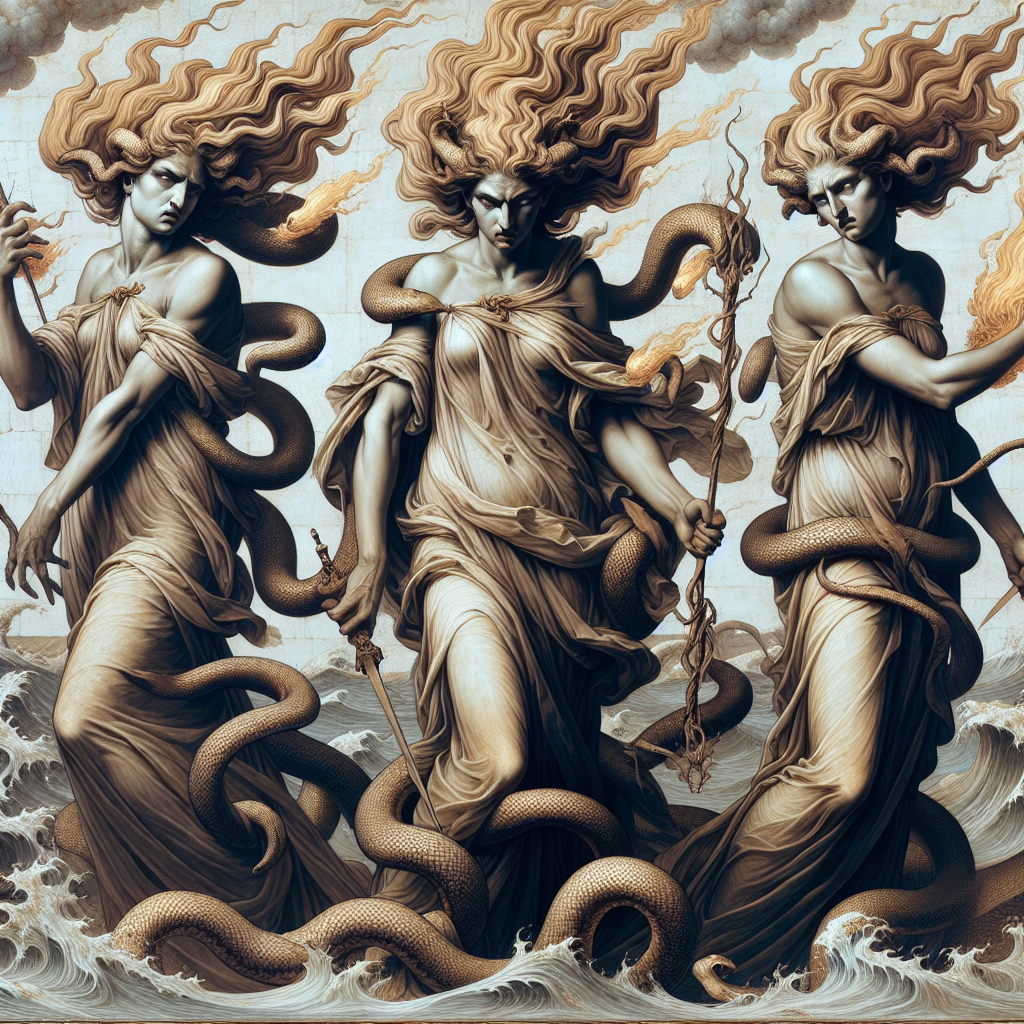
Represented as fierce women, the Furies are often depicted as having serpents in their hair, dark garments, and eyes that weep tears of blood. These physical traits symbolize not only their terrifying nature but also their deep connection to human suffering and emotional turmoil. Their appearance is a reminder of the consequences of wrongdoing, urging humanity to stay on the path of righteousness.
Vengeance and Justice
One of the most compelling aspects of the Furies is their dual role in representing both vengeance and justice. They are summoned to punish those who commit egregious acts, especially murder, betrayal, or breaking oaths. This often places them in direct conflict with the concept of mercy and forgiveness, raising fundamental questions about the nature of justice.
The Furies famously pursued Orestes after he killed his mother, Clytemnestra, as part of a cycle of vengeance within his family. The tale showcases the inescapable nature of their wrath; no one can evade their judgment if they commit a crime, thus highlighting their function as a moral compass. Orestes’ eventual trial, overseen by Athena, marked a pivotal moment in Greek mythology where the Furies transitioned from avengers to guardians of justice, merging their role within the framework of divine order.
Cultural Significance
The Furies captivated the imagination of not only the Greeks and Romans but also later generations. Their embodiment of vengeance speaks to universal themes of morality—it illustrates that actions have consequences, a tenet fundamental to the human experience. As avenging spirits, they remind us of the darker aspects of justice and the often blurred lines between right and wrong.
The concept of the Furies finds resonance in various contemporary interpretations, from literature to modern cinema, where themes of revenge and justice continue to be explored. Works such as Aeschylus’s “The Oresteia” depict the transformation of the Furies from agents of vengeance to figures enshrining justice, underpinning the necessity of addressing both human emotion and societal order.
Psychological Interpretations
The Furies can also be examined from a psychological standpoint, symbolizing the inner turmoil faced by individuals grappling with guilt and shame. Carl Jung, the Swiss psychiatrist, often spoke of the importance of confronting one’s shadow, the darker side of human nature. In this light, the Furies represent not merely external punishers but internal forces that demand accountability. As manifestations of repressed anger and the human drive for justice, they challenge individuals to address their own moral failings.
Moreover, within the framework of modern psychology, the Furies can be interpreted as symbols of trauma and the need for resolution. Their relentless pursuit of vengeance can be seen as a representation of unresolved conflicts within individuals or societies, echoing the necessity for catharsis and healing.
The Furies in Modern Culture
In contemporary art and literature, the legacy of the Furies continues to flourish. Authors and filmmakers often draw upon their symbolism to illustrate themes of justice, revenge, and consequence. Works such as Toni Morrison’s “Beloved” explore the repercussions of violence within families, reflecting the Furies’ influence on narratives surrounding revenge and retribution.
Film adaptations of mythological stories have also brought the Furies to new audiences, often reimagining them in ways that reflect modern concerns. In recent interpretations, the Furies transcend their origins, representing the plight of marginalized voices demanding justice against systemic oppression.
Conclusion
The Furies serve as complex symbols in the exploration of vengeance and justice. Their historical context provides insight into early human perceptions of morality, accountability, and social order. As cultural artifacts, they reflect the timeless struggle between retribution and forgiveness, illuminating the darker aspects of human nature.
In examining the Furies, we are prompted to confront our own emotions surrounding justice and retribution. Ultimately, as avenging spirits in mythology, the Furies remind us that while vengeance may offer a temporary sense of closure, the path toward true justice is often more intricate, demanding a reconciliation of deep-seated grievances and fostering a stronger connection to the moral fibers binding society together.
As we continue to engage with their narratives today, the Furies remain a potent symbol of the eternal quest for balance between justice and vengeance, resonating powerfully in modern discussions about morality, accountability, and the human experience.
Recommended reading
These are affiliate links. If you buy through them, we may earn a commission at no extra cost to you.
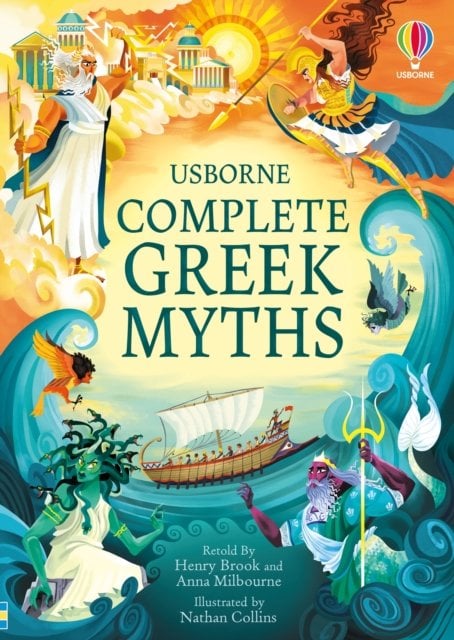
Complete Greek Myths: An Illustrated Book of Greek Myths
Featuring detailed retellings, beautiful character illustrations, and cultural background, this comprehensive volume brings the best-known and obscure Greek myths to life for readers of all ages. Complete with maps, a glossary, and a QR code for pronunciation guides and extra resources, it is an essential addition to any family bookshelf.
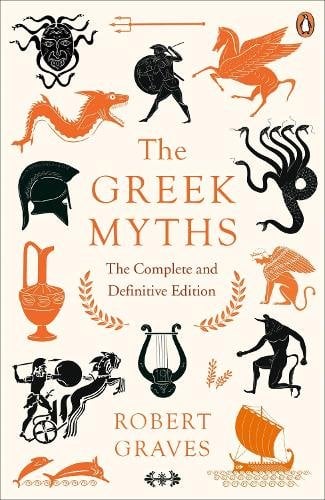
The Greek Myths: The Complete and Definitive Edition
Robert Graves’s definitive edition weaves the classic Greek myths, from the Labours of Hercules to the Trojan War, into one sweeping, authoritative narrative. Perfect for both first-time readers and classicists, this comprehensive volume combines engaging storytelling with detailed scholarly commentary and a complete index of names.
The Odyssey
Homer’s timeless epic The Odyssey follows the hero Odysseus on a perilous decade-long journey home from Troy, facing mythical monsters and divine wrath. Meanwhile, his wife Penelope and son Telemachus defend their kingdom against ruthless suitors in this classic tale of loyalty and endurance.