The Role of Ritual in Ancient Egyptian Mythology
The Role of Ritual in Ancient Egyptian Mythology
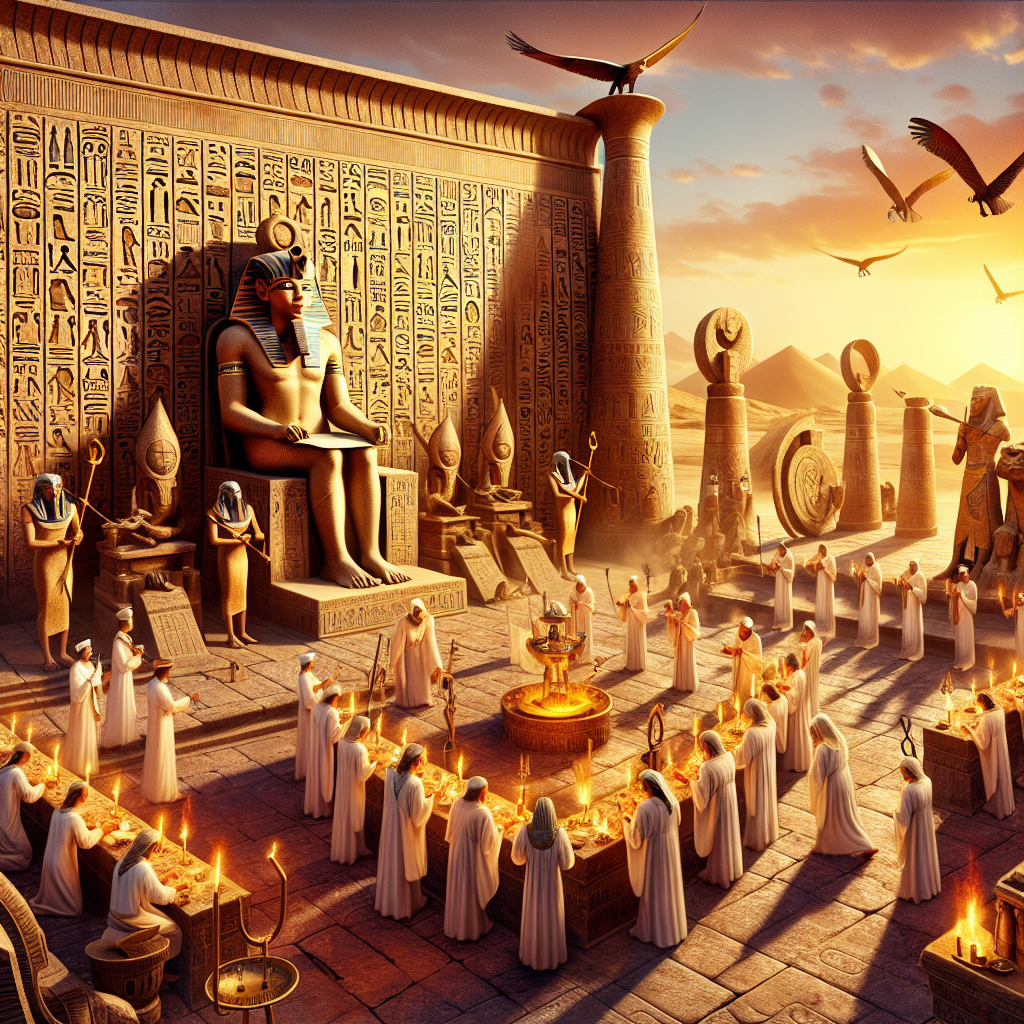
Rituals form a cornerstone of ancient Egyptian religion and mythology. They played an indispensable role in expressing devotion, ensuring the favor of the gods, and maintaining cosmic order (Maat). The interconnectedness of myth, ritual, and daily life permeated every aspect of ancient Egyptian culture, providing a rich tapestry for understanding their beliefs, practices, and societal structure.
The Significance of Mythology
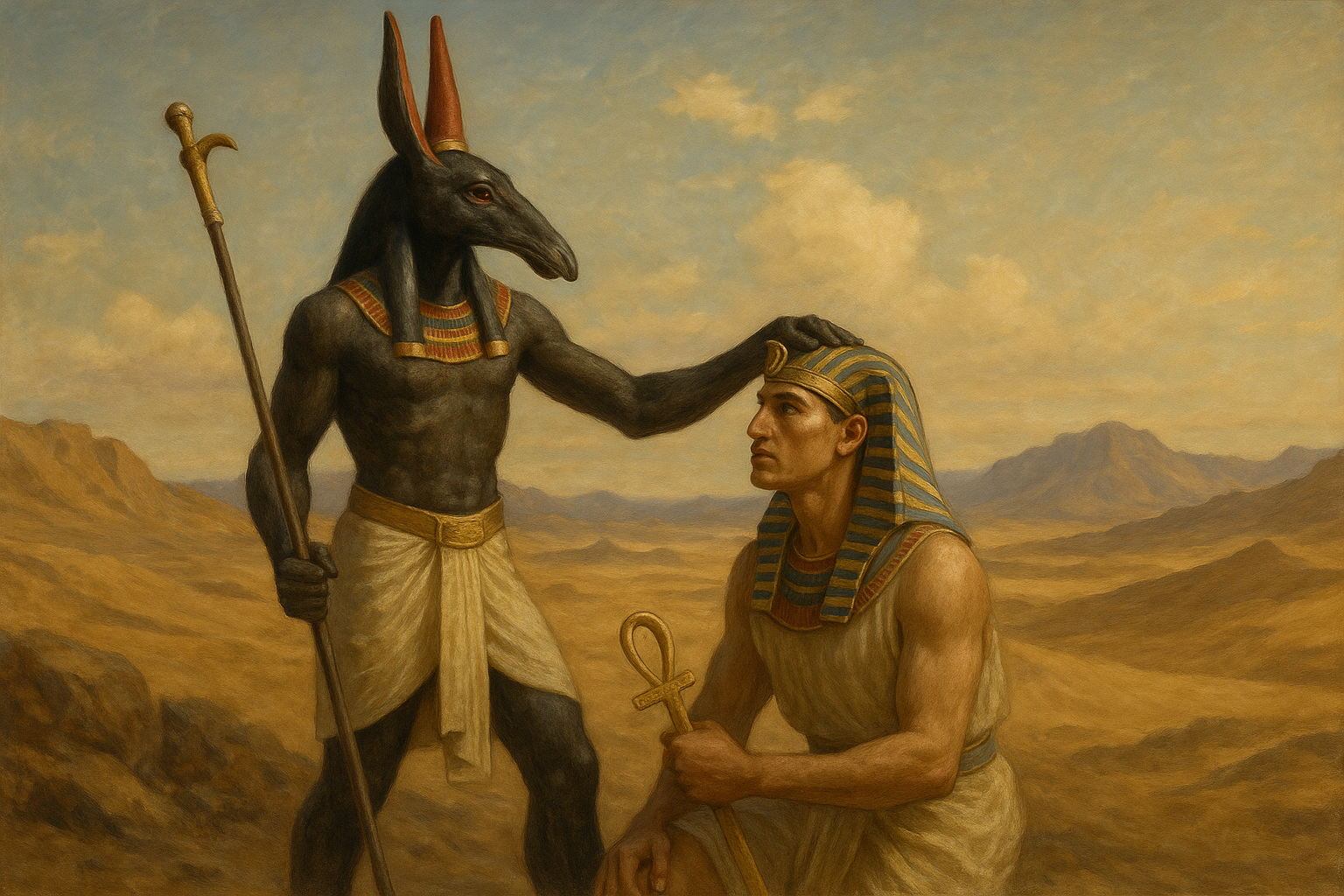
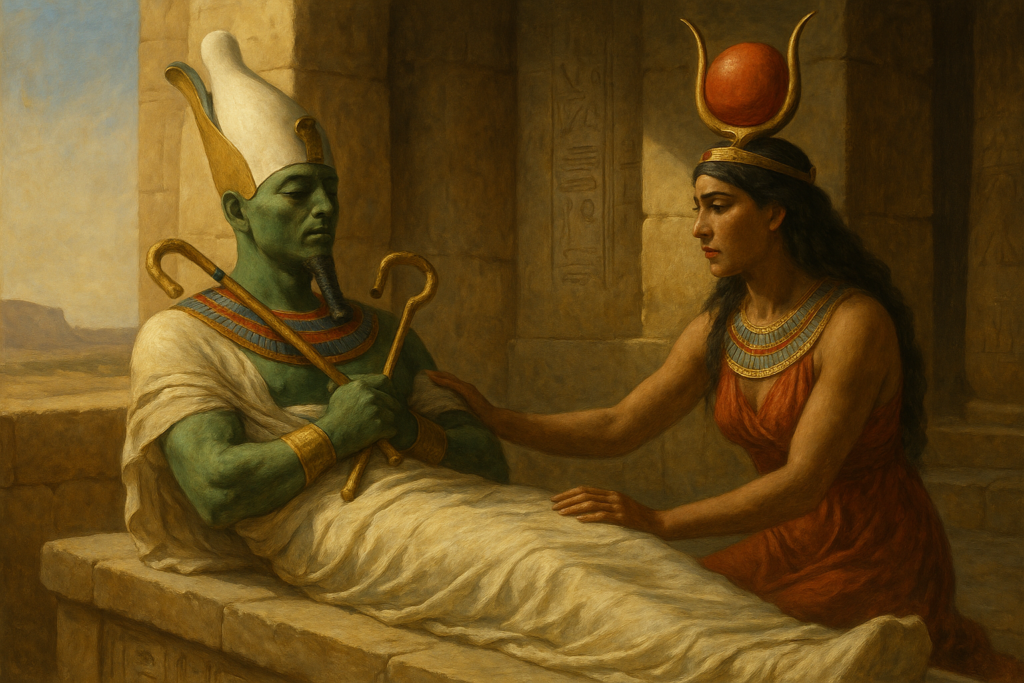
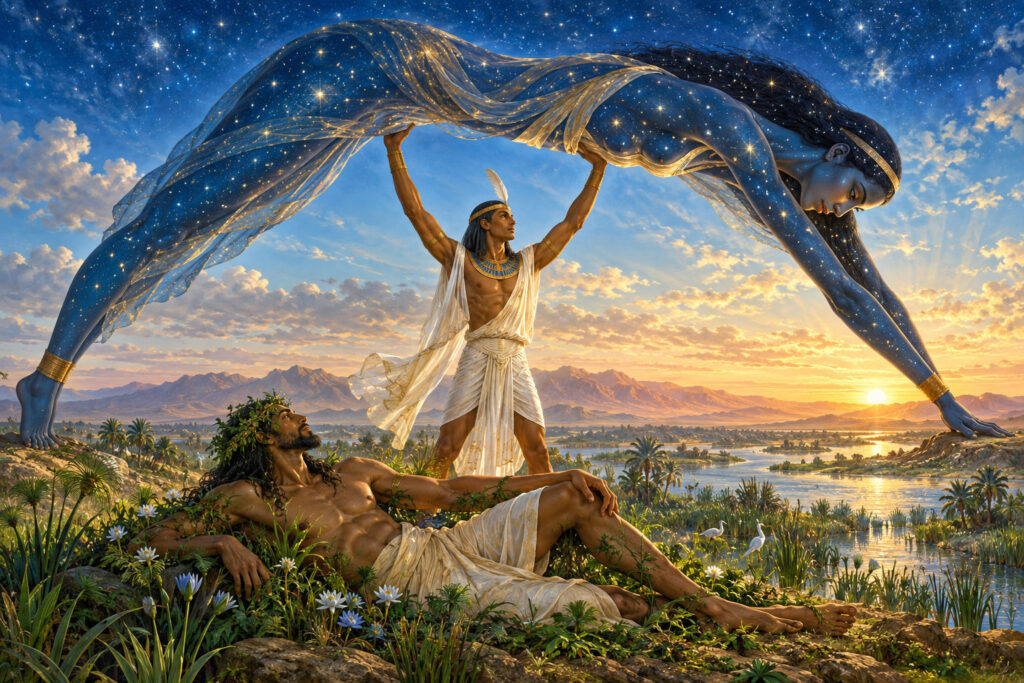
Before diving into the intricacies of ritual, it’s essential to grasp the centrality of mythology in Egyptian life. Myths not only conveyed the stories of gods and goddesses but also imparted moral lessons and defined the cosmic structure of the world. Deities such as Osiris, Isis, Horus, and Ra were central figures in creation myths that explained the origins of the universe, the cyclical nature of life and death, and the importance of the afterlife.
These myths were recited, visualized, and acted out during various ceremonies, bridging the gap between the divine and the earthly realms. Rituals provided a dynamic means of interacting with these myths, reinforcing their teachings and embedding them deeply within cultural consciousness.
Types of Rituals
Rituals in ancient Egypt can be broadly categorized into three groups: cultic rituals, funerary rituals, and communal or life-cycle rituals.
-
Cultic Rituals:
These were conducted in temples and involved the daily care and worship of deities. Central to these rituals were offerings of food, incense, and sacred objects, which the priests presented on behalf of the people. The rituals often included recitations of prayers and hymns that invoked divine favor. The daily ritual of the ‘Opening of the Mouth’, performed on statues of deities, aimed to awaken the god and facilitate communication. -
Funerary Rituals:
Funerary rites were crucial for ensuring safe passage to the afterlife, reflecting the Egyptians’ deep belief in the continuity of life beyond death. The ‘Weighing of the Heart’ ceremony, central to this belief, involved the deceased’s heart being weighed against the feather of Ma’at, symbolizing truth and justice. If the heart was found to be lighter than the feather, the deceased was deemed worthy of entering the afterlife. Rituals such as mummification, burial, and the offering of goods were deeply rooted in mythological narratives, particularly the story of Osiris, who was resurrected after being slain, symbolizing hope and renewal. -
Communal and Life-Cycle Rituals:
These rituals were tied to significant milestones in an individual’s life, such as birth, marriage, and death. They often involved community participation and were aimed at securing blessings for the individual and the community at large. Religious festivals, such as the Opet Festival dedicated to Amun, brought together people from across the region and involved elaborate processions and communal feasting, further reinforcing societal cohesion through shared beliefs.
The Interplay Between Ritual and Myth
Rituals act as a living expression of mythology, bringing stories and beliefs to life. Many rituals were performed at specific times and locations that were imbued with meaning based on mythological narratives. For instance, the location of a temple often corresponded with a mythological event, and rituals performed there served to re-enact these events, allowing worshippers to participate in the divine narrative.
The annual flooding of the Nile, which was viewed as a divine gift from the gods, directly influenced agricultural life and was mirrored in rituals that celebrated fertility and renewal. The ‘Wepet-Renpet’ festival marked the new year, celebrating new beginnings aligned with the rising of the Nile. Such rituals served both to reinforce a shared understanding of creation myths and to ensure continued favor from the gods for agricultural prosperity.
Psychological and Social Dimensions
The psychological impact of rituals in ancient Egyptian society cannot be overstated. Participation in rituals fostered a sense of belonging and community, empowering individuals through collective expression of shared faith. Moreover, rituals provided structured responses to the uncertainties of life, such as drought, illness, and death, allowing individuals to navigate these challenges by venerating divine forces believed to influence their circumstances.
Furthermore, rituals often reflected and reinforced the social hierarchy. The priestly class held significant power and privilege, acting as mediators between the people and the divine. Their specialized knowledge and conduct of rituals bestowed them with authority, thus intertwining social structure with religious practice.
Conclusion
The role of ritual in ancient Egyptian mythology exemplifies the profound connection between belief, action, and identity in this civilization. Rituals served as pathways to engage with the divine, embodying the myths that framed their understanding of the world. They provided stability and continuity, bridging the everyday human experience with the transcendent realm of the gods.
As such, the study of rituals offers invaluable insights into the complexities of ancient Egyptian faith, culture, and society. The reverberations of these ancient practices can still be felt today, reminding us of the universal human desire to seek connection with the divine and achieve harmony within the cosmos.