Epics vs. Myths: The Distinction in Greek Literature
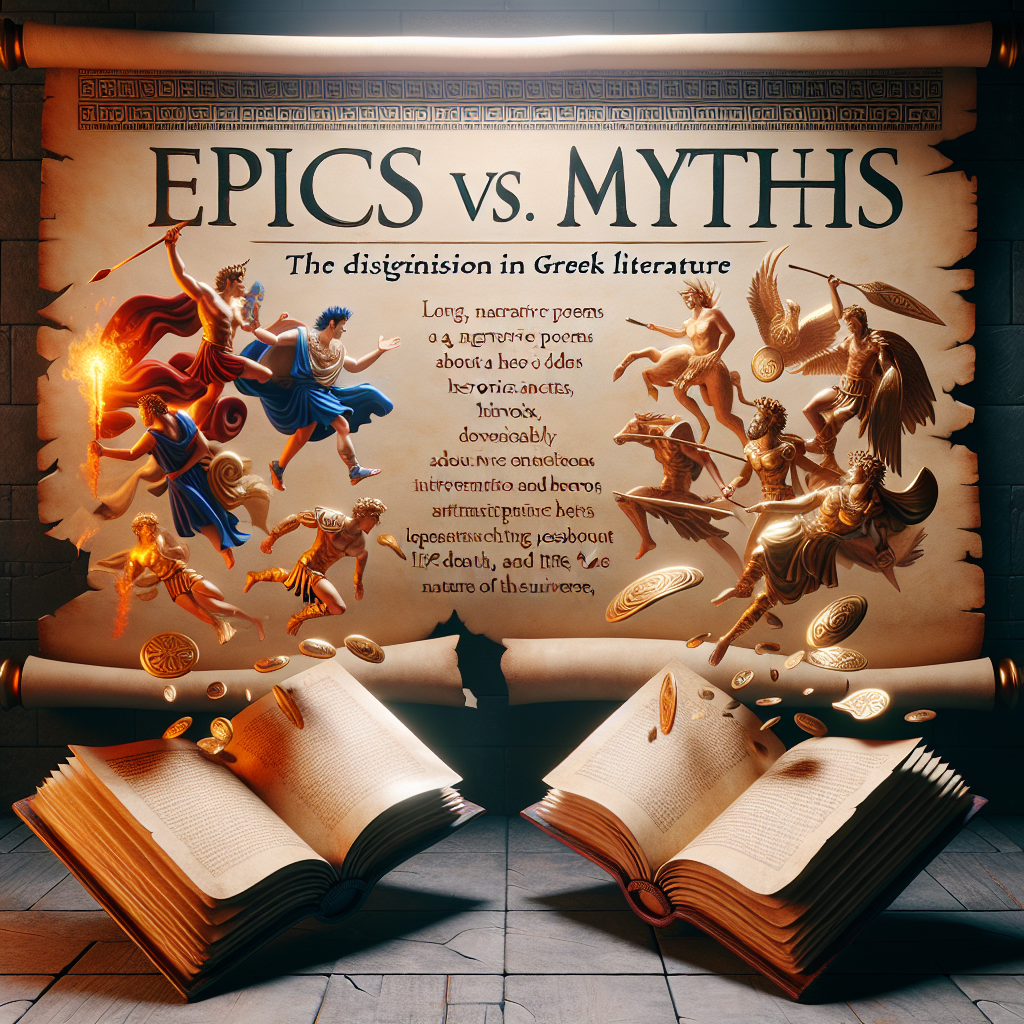
Greek literature is a treasure trove of narratives that have shaped not only Western storytelling but also cultural and philosophical discourse. Among the most prominent forms of storytelling in this ancient canon are epics and myths. While both genres are interrelated and often overlap, they serve distinct purposes and reflect different aspects of Greek culture and thought. This article explores the distinctions between epics and myths, drawing on their definitions, functions, characters, and themes in Greek literature.
Defining Epics and Myths
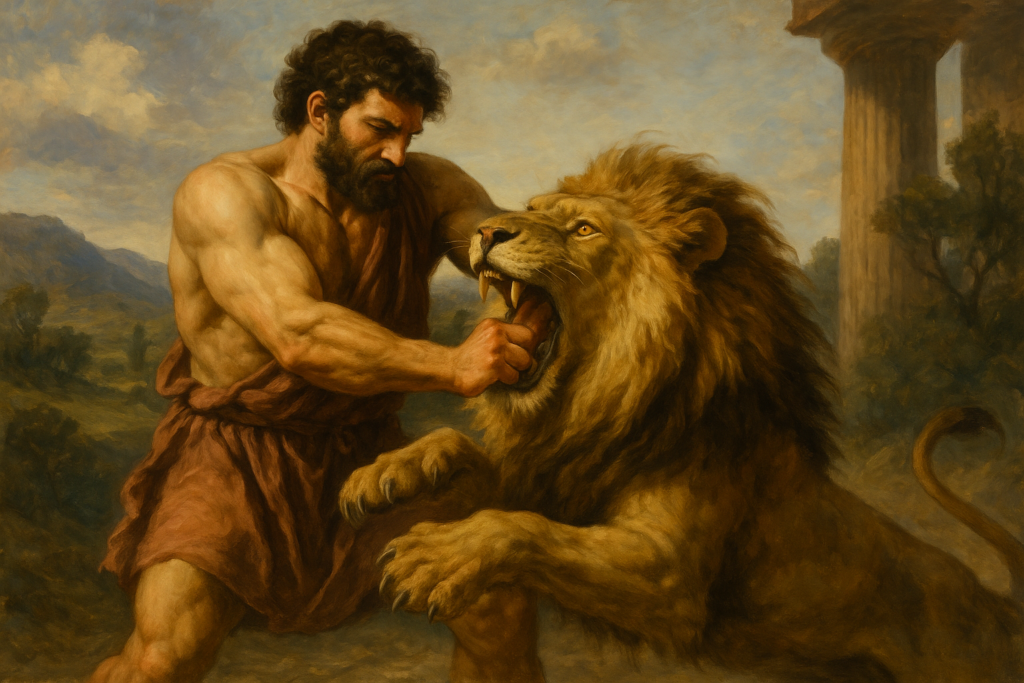
Epics are lengthy narrative poems that recount the heroic deeds of legendary figures, often framed within grand historical or mythological contexts. They typically contain elements of adventure, conflict, and moral lessons. The most renowned examples of epics in Greek literature are Homer’s “Iliad” and “Odyssey.” These texts not only tell stories but also delve into themes like honor, fate, and the nature of humanity.
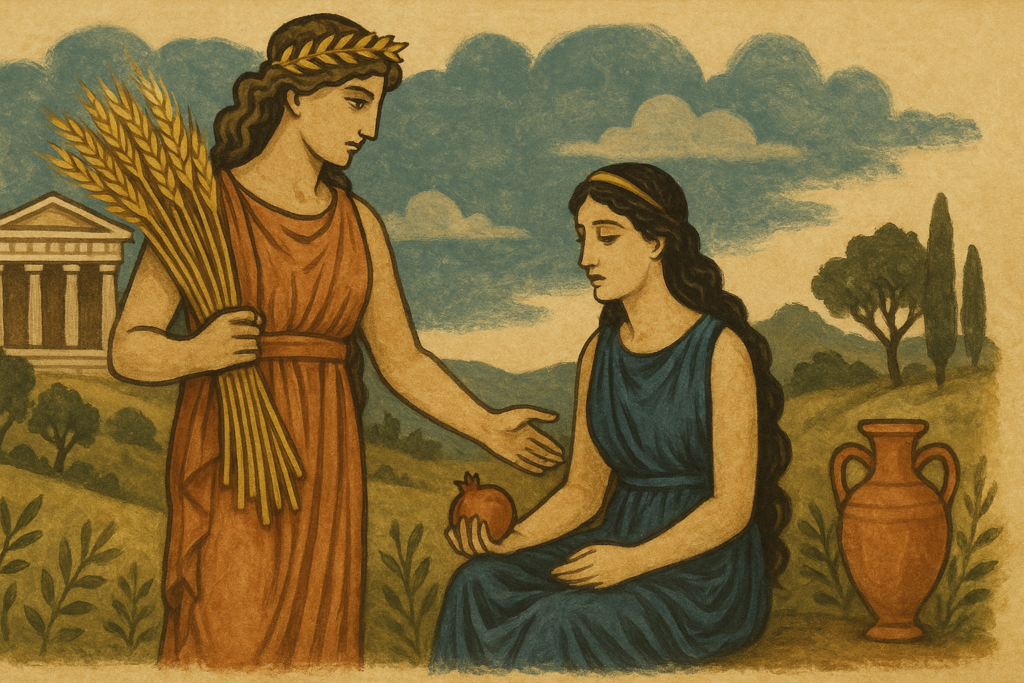
Myths, on the other hand, are traditional stories that explain natural phenomena, historical events, or cultural practices through the actions of gods, heroes, and mythical creatures. They serve as vehicles for expressing moral, religious, and existential questions. Myths frequently address topics like creation, life, death, and the relationship between humans and the divine. Prominent examples include the tales of Persephone, Prometheus, and the creation myths surrounding the primordial deities.
Origin and Function
Origin
Epics are often rooted in oral traditions, passed down through generations of bards who recited them in public gatherings. This oral nature allowed for a rich tapestry of storytelling that evolved over time as societies changed and adapted. The “Iliad” and the “Odyssey,” for instance, were likely composed in the 8th century BCE but draw upon older tales that existed well before their final written forms.
In contrast, myths are typically older and more varied in origin. They often arise from the need to make sense of the world around us. The Greeks personified natural elements and early human experiences, attributing them to the actions of gods and heroes. Myths often served specific cultural functions, such as explaining rituals, practicing religion, or providing moral guidance.
Function
The function of epics, particularly in Greek society, was multifaceted. First, they served as entertainment, providing audiences with thrilling tales of adventure and heroism. Second, epics functioned as vehicles for social and political commentary, reflecting values and ideals of the time. Heroes like Achilles and Odysseus embody traits that were revered in ancient Greece, such as bravery, loyalty, and intellect.
Myths, however, have a more didactic function. They offer insights into the human condition, moral lessons, and the relationship between humanity and divinity. Mythological tales often convey warnings about hubris, the consequences of defying the gods, and the importance of humility and reverence. For example, the story of Icarus serves as a cautionary tale about the dangers of overreaching ambition.
Structure and Characteristics
Structure
Epics generally follow a structured format with specific conventions. They often begin with an invocation to the muse, setting the stage for the storytelling journey. The plot unfolds through various episodes, each contributing to the overall narrative arc. The characters in epics are typically well-defined, with clear motivations and complex relationships. The use of similes, metaphorical language, and repetition enhances the epic’s rhythm and grandeur.
Myths, in contrast, can be more fragmented and less structured. They often focus on singular events or characters rather than elaborate narratives. Myths may vary in detail and interpretation from one source to another, as they are often retold by different cultures or generations. Unlike epics, the characters in myths are often archetypal, representing broader themes rather than individual personalities.
Characteristics
The heroes of epics are usually human (albeit sometimes semi-divine) figures, exemplifying traits such as courage, loyalty, and wisdom. They engage in battles, face moral dilemmas, and navigate the intricacies of human relationships. The conflict in epics is often external, pitting the hero against other warriors, gods, or fate itself.
In contrast, the central figures in myths are frequently gods, goddesses, and mythological creatures. These beings often embody abstract concepts or natural forces, acting as instruments of divine will or as cautionary examples for humans. The conflicts in myths can be both internal and external, exploring humanity’s relationship with the divine, the nature of existence, and the challenges of life.
Thematic Exploration
Both epics and myths delve into significant themes that reveal the human experience, but they approach these themes from different angles.
Themes in Epics
-
Heroism and Valor: Epic narratives glorify the hero’s journey, celebrating acts of bravery, loyalty, and sacrifice.
-
Fate vs. Free Will: Characters often grapple with their destinies, raising questions about the extent of human agency in a world governed by the whims of the gods.
-
Honor and Reputation: The importance of personal and familial honor is paramount in epic tales like the “Iliad,” where warriors seek glory on the battlefield.
Themes in Myths
-
The Nature of the Divine: Myths explore the characteristics and behaviors of gods, often illustrating the complexities of divine and human interactions.
-
Life and Death: Themes surrounding mortality and the afterlife are prevalent in myths, providing insight into ancient Greek beliefs about existence and the afterlife.
-
Moral Lessons: Many myths are cautionary in nature, teaching that hubris, deceit, and disrespect for the gods lead to downfall.
Conclusion
The distinctions between epics and myths in Greek literature highlight the rich diversity of storytelling in ancient Greece. While both forms share common ground in their cultural significance and thematic explorations, they serve different purposes and convey varied insights into the human experience. Epics resonate with the ideals of heroism and conflict, whereas myths focus on divine relationships and moral lessons. By understanding these distinctions, readers can gain a deeper appreciation for the narratives that have shaped not only Greek culture but also the foundations of storytelling throughout Western literature. The legacies of both epics and myths continue to influence modern narratives, reminding us of their timeless relevance in exploring the human condition.
Recommended reading
These are affiliate links. If you buy through them, we may earn a commission at no extra cost to you.
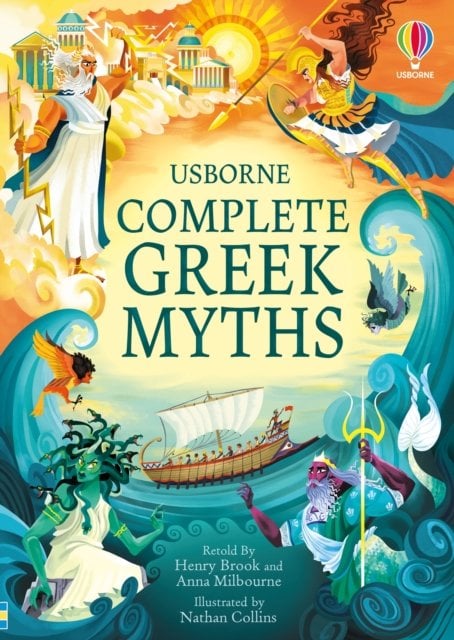
Complete Greek Myths: An Illustrated Book of Greek Myths
Featuring detailed retellings, beautiful character illustrations, and cultural background, this comprehensive volume brings the best-known and obscure Greek myths to life for readers of all ages. Complete with maps, a glossary, and a QR code for pronunciation guides and extra resources, it is an essential addition to any family bookshelf.
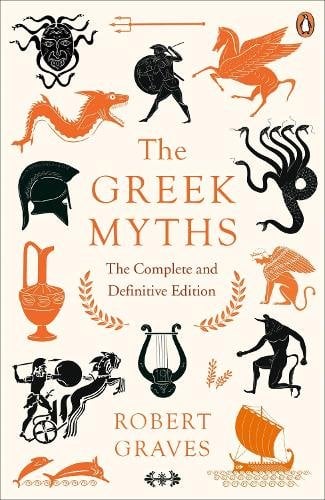
The Greek Myths: The Complete and Definitive Edition
Robert Graves’s definitive edition weaves the classic Greek myths, from the Labours of Hercules to the Trojan War, into one sweeping, authoritative narrative. Perfect for both first-time readers and classicists, this comprehensive volume combines engaging storytelling with detailed scholarly commentary and a complete index of names.
The Odyssey
Homer’s timeless epic The Odyssey follows the hero Odysseus on a perilous decade-long journey home from Troy, facing mythical monsters and divine wrath. Meanwhile, his wife Penelope and son Telemachus defend their kingdom against ruthless suitors in this classic tale of loyalty and endurance.