Zeus and Hera: Power Struggles in the Divine Realm
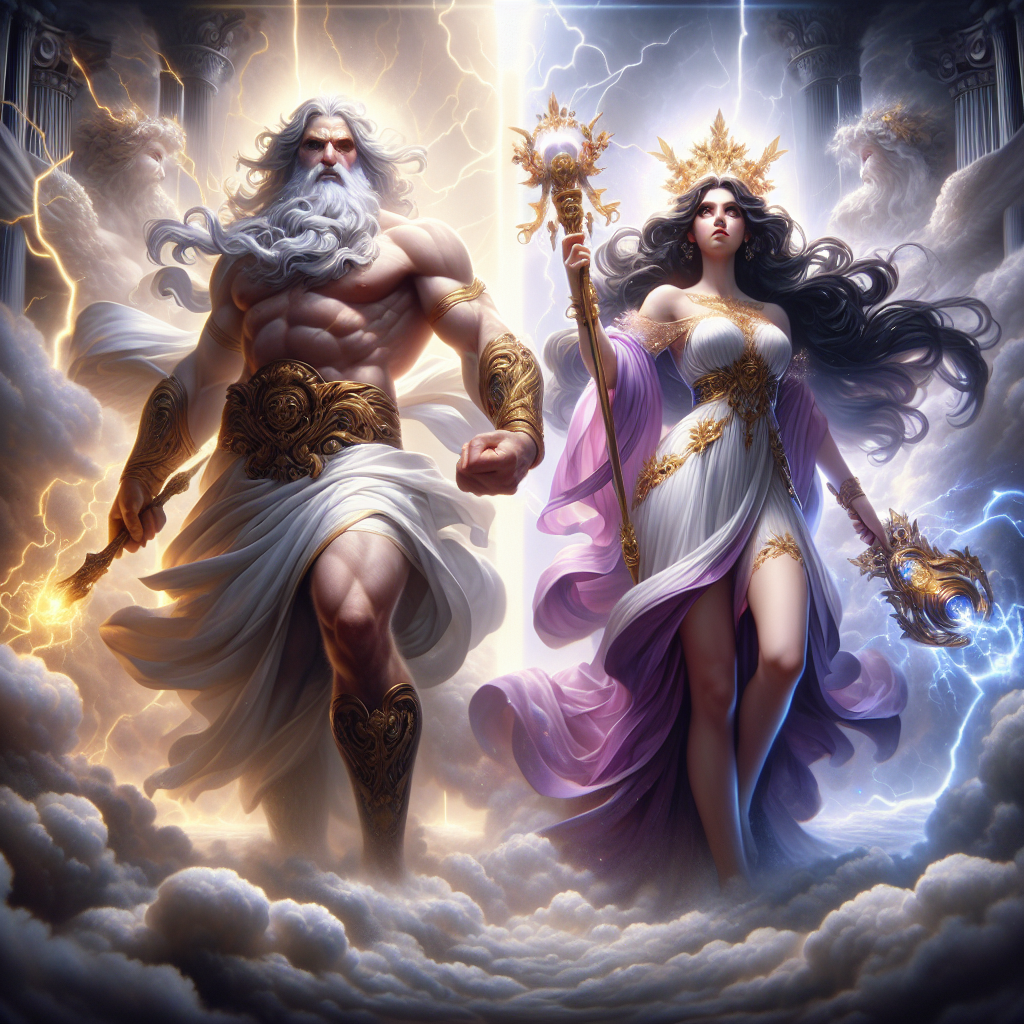
In the rich tapestry of Greek mythology, the narratives surrounding Zeus and Hera are as complex as they are intriguing. As the king and queen of the gods, their relationship is emblematic of the divine power struggles that shaped Olympus, reflecting themes of authority, jealousy, and love. This article delves into the dynamics of Zeus and Hera’s relationship, exploring the nature of their power struggles and how these conflicts resonate through Greek mythology.
The Pantheon of Power
Zeus, the god of the sky and thunder, is often regarded as the most powerful among the Olympian gods. Heralded for his authority over both gods and mortals, his rule is often depicted as one characterized by strength and decisiveness. Hera, on the other hand, embodies both steadfast loyalty and fierce jealousy, known as the goddess of marriage and family. However, her identity is often overshadowed by Zeus’s greater power and frequent infidelities, setting the stage for a tumultuous relationship.
The couple’s union was not only a personal one; it was also strategic. According to myth, Zeus freed Hera from the clutches of their mother, Rhea, and married her to establish stability among the gods. This marriage could be interpreted as an attempt to consolidate power within Olympus, yet it simultaneously introduced a volatile tension. While Hera assumed the role of queen, her position was frequently undermined by Zeus’s numerous extramarital escapades, leading to conflicts that revealed the fragility of their union.
Infidelity and Jealousy
Zeus’s propensity for infidelity is well-documented in mythology. From his transformation into a golden shower to seduce Danaë to his disguise as a swan to woo Leda, his amorous exploits often incited Hera’s wrath. Each affair not only strained their marital bond but also exposed a fundamental power struggle between the two deities. Hera’s reactions serve as a reflection of her character—a fierce protector of marriage and familial integrity, but one often thwarted by her husband’s actions.
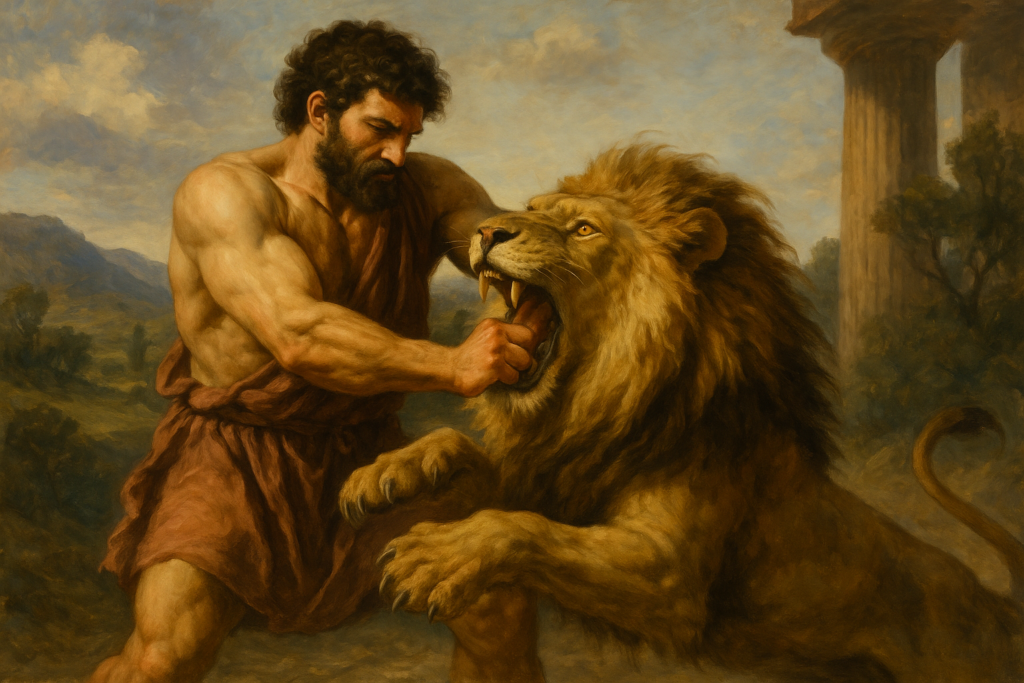
One of the most notable stories illustrating Hera’s jealousy is the tale of Heracles. Born from Zeus’s union with Alcmene, Heracles becomes the target of Hera’s ire. In her pursuit to punish the child born of her husband’s betrayal, Hera sends serpents to kill him in his crib. Despite her attempts, Heracles ultimately survives and goes on to become a legendary hero. This narrative encapsulates the ongoing struggle; Hera, despite her divine status, often finds herself at the mercy of Zeus’s will, unable to directly thwart his actions but instead resorting to cunning schemes as a means of exerting her influence.
Hera’s characterization as the “jealous wife” is often seen through a modern lens that diminishes the complexity of her motivations. Her jealousy stems not merely from a desire for vengeance but from a deeper fear of being overshadowed and rendered insignificant compared to Zeus’s numerous affairs. As such, her actions can be interpreted as a fight for recognition in a relationship fraught with imbalances.
Power Dynamics and Symbolism
The power dynamics between Zeus and Hera are often symbolized through various stories and relationships with other deities. For instance, the myth of the Trojan War represents a significant turning point in their relationship. The dispute over the golden apple of Eris—”to the fairest”—sparks jealousy among the goddesses, ultimately leading to a conflict that engulfs mortals and deities alike. Hera’s involvement in the war, siding with the Greeks, reveals her desire to assert control and retaliate against Zeus when his favor leans towards the Trojans.
Hera’s strategies often involve manipulation and cleverness. For instance, when Zeus seeks to gain dominance over the Titans, Hera plays a critical role in rallying the other gods. In their divine power struggles, Hera sometimes emerges as a formidable opponent, wielding her influence over other deities to ensure her voice is heard. This dynamic enhances her characterization as both a nurturing mother figure and a fierce warrior who will go to great lengths to protect her interests.
Reconciling Conflict
Despite their frequent clashes, the relationship between Zeus and Hera also comprises moments of partnership and reconciliation. Their conflicts, often driven by jealousy and power struggles, are juxtaposed with instances of mutual respect and affection. For example, during the Gigantomachy, when the giants rebel against the Olympians, both Zeus and Hera stand united against a common threat. This illustrates that their relationship, although fraught with conflict, can transcend individual grievances when faced with greater challenges.
Additionally, their offspring—Ares, Hephaestus, and Hebe—represent the complexities of their relationship. Each child embodies traits from both parents, reflecting the duality of power and submission. Ares, for instance, represents chaos and conflict, often a reflection of the turbulent nature of his parents’ relationship, while Hephaestus showcases themes of craftsmanship and resilience against rejection; he is frequently seen as an outcast in the face of Hera’s contempt. These children highlight the dichotomy within their union—love intertwined with rivalry, nurturing tangled with control.
Conclusion
The power struggles between Zeus and Hera are emblematic of broader themes within Greek mythology, where relationships are defined by conflict, manipulation, and reconciliation. Their story serves as a reminder that power can often be fleeting, even among the divine. Zeus may wield thunderbolts to assert his authority, but Hera, armed with cunning and loyalty, continuously challenges him, embodying the complexities of partnership.
In analyzing their tumultuous relationship, we uncover insights into the nature of power, jealousy, and resilience, themes that remain universally relevant. Zeus and Hera may reign over Olympus, but their story is a poignant exploration of the intricate dance between power and vulnerability—a narrative that transcends time and resonates within the human experience. Ultimately, the saga of Zeus and Hera stands as a testament to the enduring complexities of love and authority, echoing through generations as a cautionary tale about the multifaceted dynamics that define both divine and mortal relationships.
Recommended reading
These are affiliate links. If you buy through them, we may earn a commission at no extra cost to you.
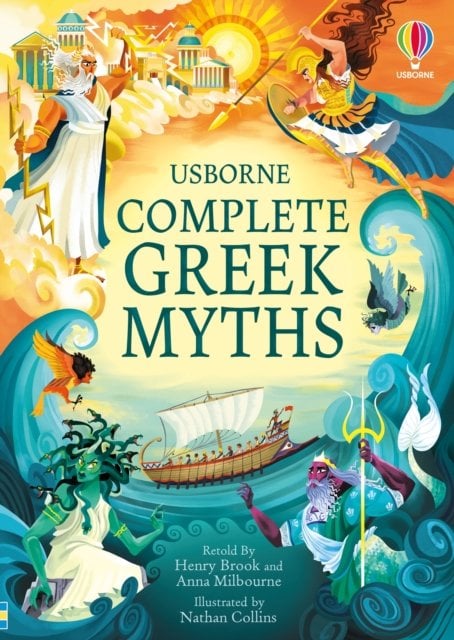
Complete Greek Myths: An Illustrated Book of Greek Myths
Featuring detailed retellings, beautiful character illustrations, and cultural background, this comprehensive volume brings the best-known and obscure Greek myths to life for readers of all ages. Complete with maps, a glossary, and a QR code for pronunciation guides and extra resources, it is an essential addition to any family bookshelf.
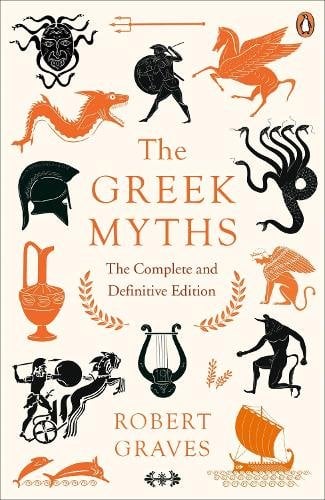
The Greek Myths: The Complete and Definitive Edition
Robert Graves’s definitive edition weaves the classic Greek myths, from the Labours of Hercules to the Trojan War, into one sweeping, authoritative narrative. Perfect for both first-time readers and classicists, this comprehensive volume combines engaging storytelling with detailed scholarly commentary and a complete index of names.

The Odyssey
Homer’s timeless epic The Odyssey follows the hero Odysseus on a perilous decade-long journey home from Troy, facing mythical monsters and divine wrath. Meanwhile, his wife Penelope and son Telemachus defend their kingdom against ruthless suitors in this classic tale of loyalty and endurance.